

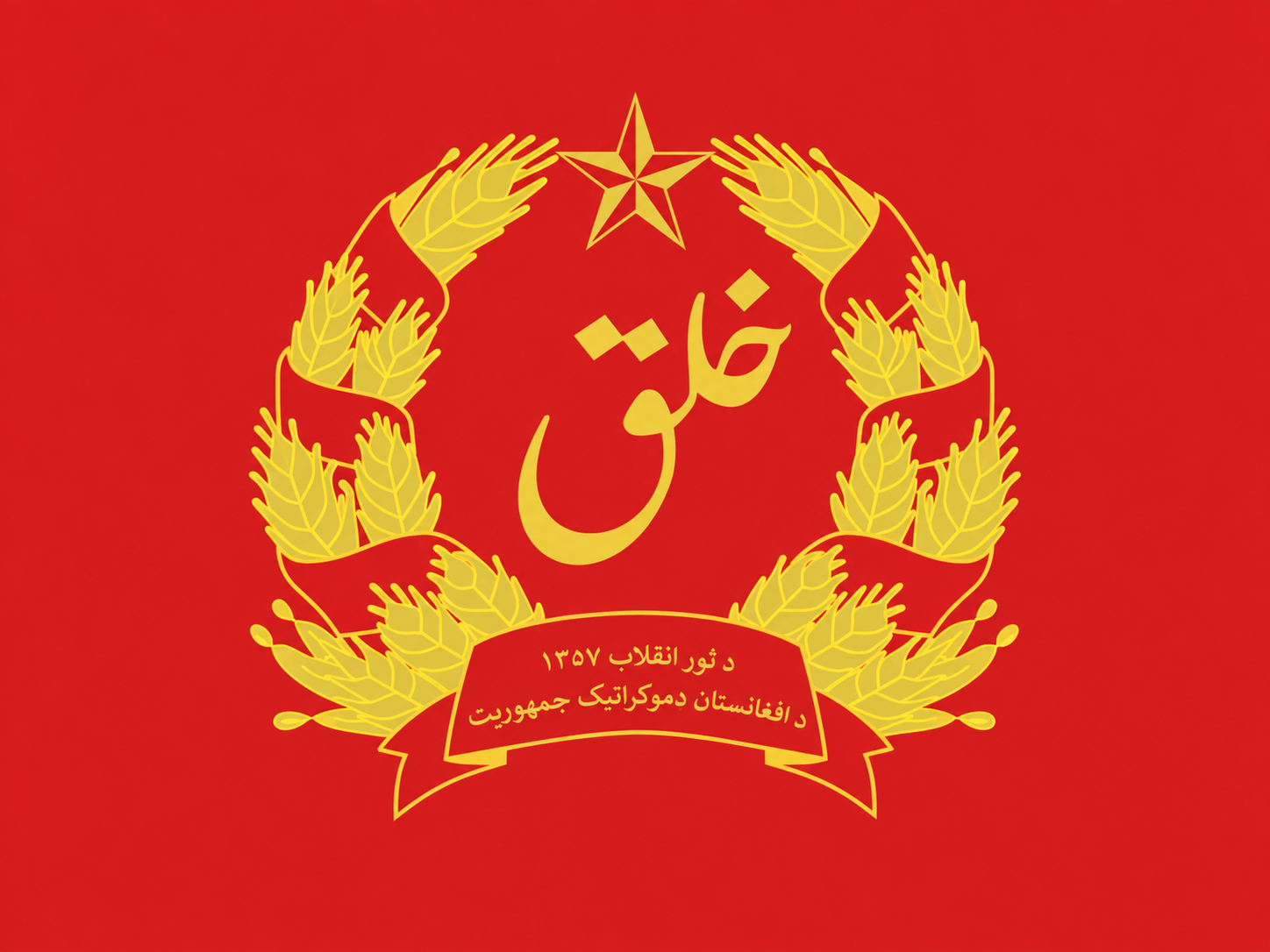
KABUL — In a political commentary examining Afghanistan’s modern ideological movements, civil society activist Parviz Akbar Nosrati argues that few currents in Afghan politics have so starkly exposed the gap between political rhetoric and practical action as the communist left.
In the opening passage of the piece—which cuts off mid-sentence in the submitted excerpt—Nosrati contends that figures who once spoke passionately about equality and social justice failed to align their political conduct with those ideals once confronted with power and governance.
Key themes in the submitted commentary excerpt
Even within the brief introductory lines provided, Nosrati frames a broader historical and political critique of ideological movements in Afghanistan:
- Rhetoric Versus Political Practice: Nosrati highlights the contrast between the populist slogans of equality and social justice championed by Afghanistan’s leftist factions and the realities of their political trajectory.
- Historical Resonance in Afghan Politics: Debates over the legacy of Afghanistan’s left—most notably the People’s Democratic Party of Afghanistan (PDPA) following the 1978 Saur Revolution—remain central to discussions of state legitimacy, ideological polarization, repression, and the decades of conflict that followed.
- Incomplete Source Text: The pasted submission ends abruptly after the phrase “equality, social justice”; once the remainder of Nosrati’s essay is provided, his specific historical examples, arguments, and conclusions can be incorporated in full.
Continuing debates over ideology and accountability
Across Afghan civil society and diaspora commentary, critical reassessments of past political movements—ranging from the Marxist-Leninist left to subsequent Islamist and republican eras—frequently serve to examine how ideological absolutism and unfulfilled promises shaped Afghanistan’s modern political crises.