

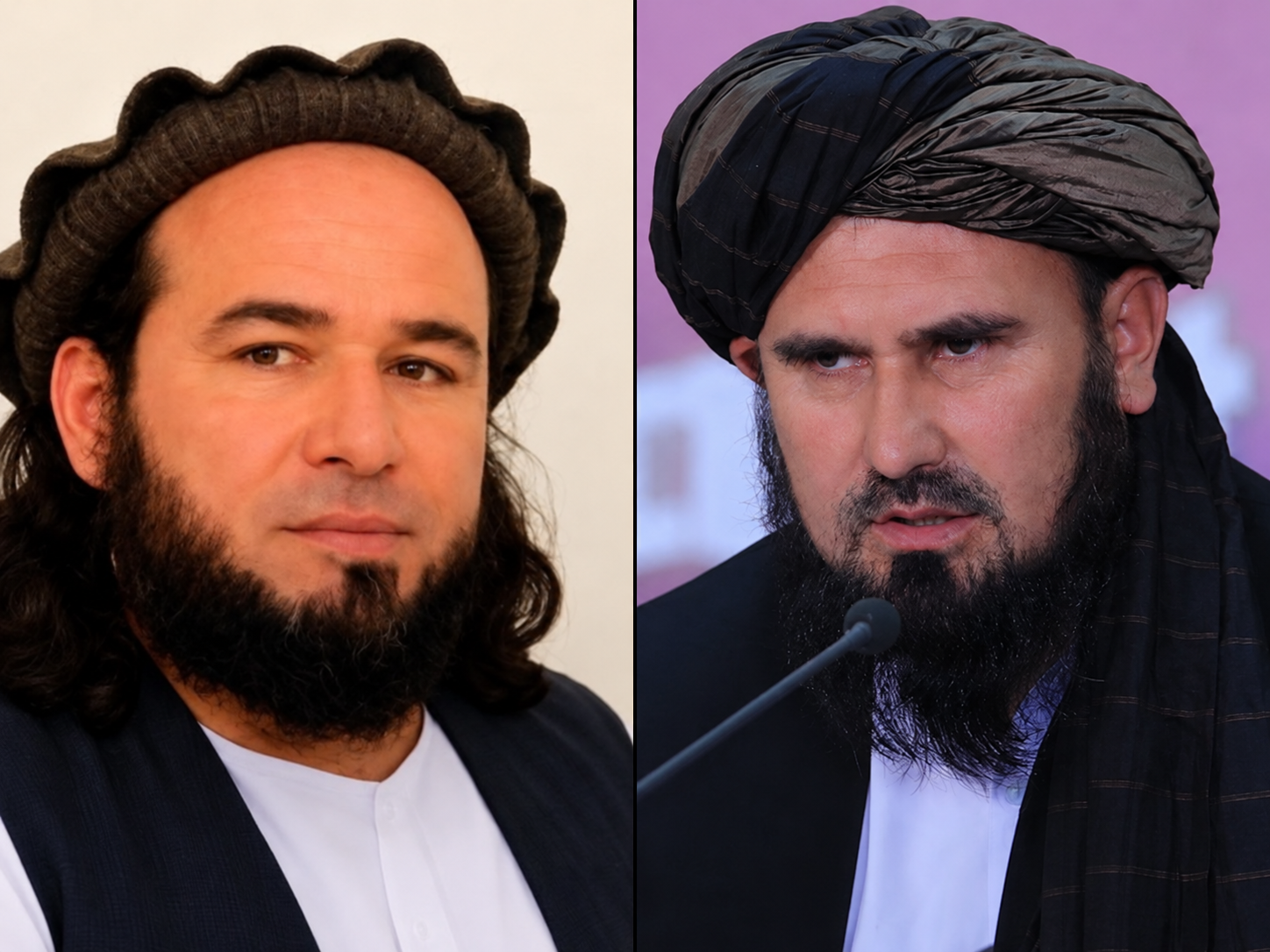
KABUL / FAIZABAD — De facto Taliban army chief of staff Fasihuddin Fitrat personally handed over prominent Badakhshan commander Juma Khan Fateh to Taliban intelligence roughly a month ago under the pretext of a brief, one-hour errand, leaving his family without word of his whereabouts or condition 32 days later, according to informed sources.
The allegations come months after Fateh—a powerful ethnic Tajik commander from Badakhshan’s Darwaz region—surrendered in August 2026 following intense disputes and armed clashes with central Taliban authorities over local gold-mining revenues and the disarmament of his loyalist fighters.
Allegations of deception, detention, and property seizure
Sources familiar with the matter and members of Fateh’s family outlined a series of developments surrounding his disappearance and assets:
- Handover Under False Assurances: Sources said Fitrat told Fateh he was going to Taliban intelligence headquarters for a routine, one-hour matter and would return shortly. Reassured by those guarantees, Fateh left without suspicion—even wearing Fitrat’s own turban (lungi) as he departed—before being placed in incommunicado detention.
- Preceded by Badakhshan Elders’ Criticism: According to the sources, roughly a week before the handover, several tribal and community elders from Badakhshan had met with Fitrat and criticized his treatment of Fateh, only for the army chief to turn Fateh over to intelligence days later.
- Withheld Vehicle and Fear of Home Seizure: Reports indicate that Fateh’s personal Simurgh vehicle remains in Fitrat’s possession and has not been returned despite his family’s urgent financial need to sell it. Relatives have also voiced concern that the army chief of staff may be seeking to seize Fateh’s private residence in Kabul’s Kart-e Char neighborhood.
Background on Juma Khan Fateh’s rift with Kabul
A native of Nusay district in Badakhshan, Fateh rose to become an influential local Taliban commander across the five districts of the Darwaz area after 2013 and served briefly as deputy governor of Zabul in early 2026 before being removed in June amid mounting friction with Kandahar and Kabul. Tensions over control of Badakhshan’s gold mines and independent armed networks escalated into clashes in mid-August 2026 before Fateh surrendered following negotiations involving Fitrat—himself an ethnic Tajik from Badakhshan—and Interior Minister Sirajuddin Haqqani. Neither the Taliban’s Ministry of Defense nor the General Directorate of Intelligence (GDI) has publicly commented on the latest allegations regarding Fateh’s current detention or property.