

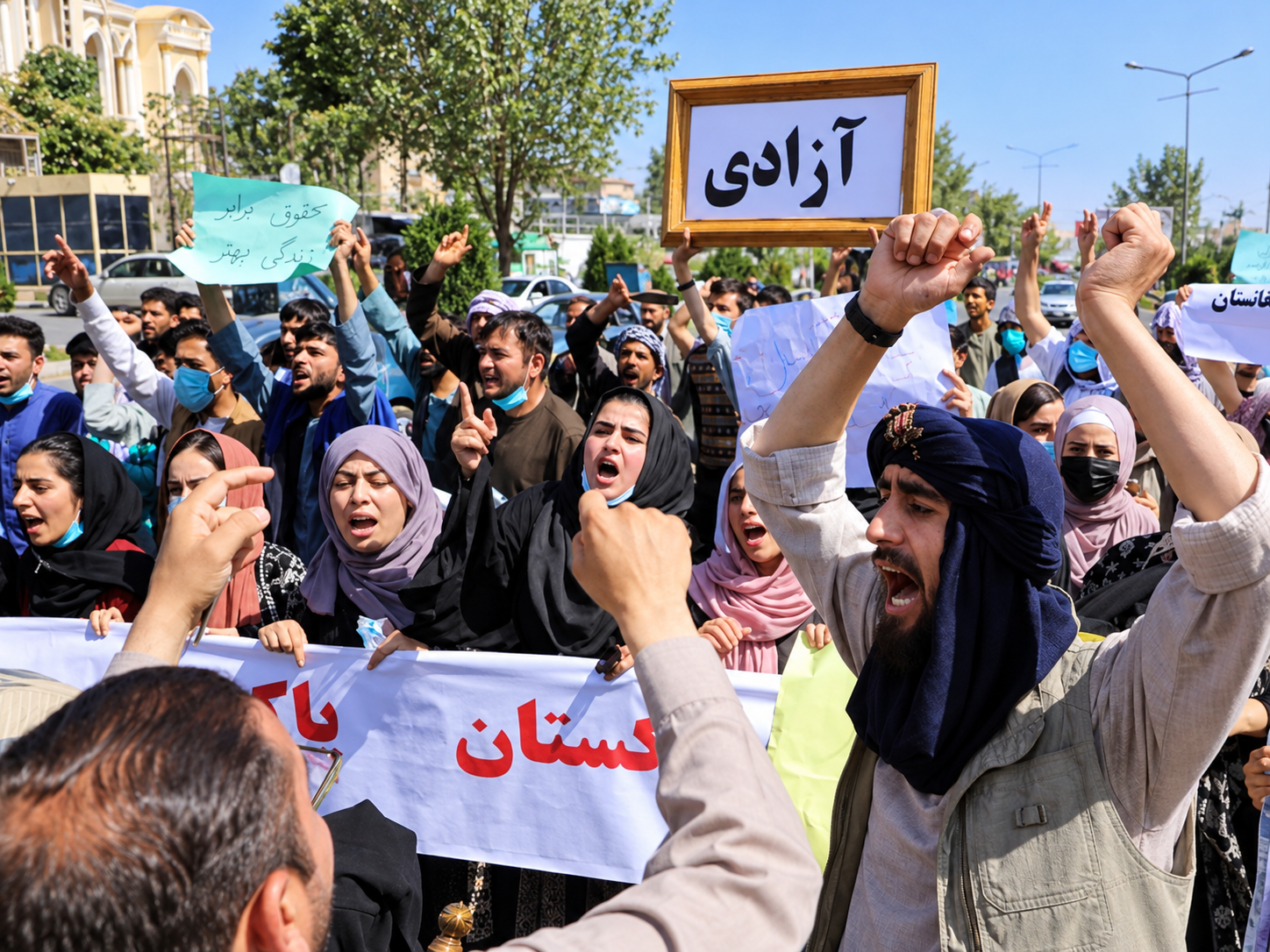
MADRID / PESHAWAR — Civil society activist Parviz Akbar Nosrati has highlighted Spanish Foreign Minister José Manuel Albares’s firm rejection of diplomatic recognition for the Taliban administration and his vocal defense of Afghan women’s rights, describing Madrid’s posture as not merely a diplomatic stance, but a broader political and moral message to the international community.
The commentary comes in the wake of the fourth HearUs Summit hosted in Madrid on November 22–23, 2026, where Albares reiterated that Spain will never recognize the Taliban administration and backed international legal action to classify and criminalize gender apartheid under international law. (Note: The submitted opinion excerpt ends mid-sentence after “that no,” and can be expanded if the remainder of Nosrati’s commentary is provided.)
Key takeaways from the commentary and Madrid summit
Nosrati’s remarks underscore the broader diplomatic significance of Spain’s position alongside concrete pledges announced at the Madrid gathering:
- Beyond Routine Diplomacy: According to Nosrati, Albares’s refusal to normalize ties with the Taliban while championing Afghan women’s freedoms sends a political and moral signal globally—though the rest of the sentence was cut off in the submitted draft.
- No Recognition and Push on “Gender Apartheid”: Speaking at the HearUs 2026 Summit, Albares ruled out recognizing the Taliban government, affirmed support for codifying gender apartheid as a crime against humanity in upcoming UN convention negotiations, and joined the “One Million Signatures” campaign supporting Afghan women and girls.
- Accountability Framework: The Madrid summit—convened by Spain and Women for Afghanistan with UN officials, rights advocates, and Afghan women leaders—unveiled a Guiding Framework for Accountability in Afghanistan aimed at coordinating legal and political mechanisms against systemic rights abuses.
Broader diplomatic context
While a few countries have explored pragmatic or consular contacts with Kabul, Madrid has positioned its “feminist foreign policy” around keeping Afghan women’s rights and legal accountability at the center of European and multilateral engagement.