

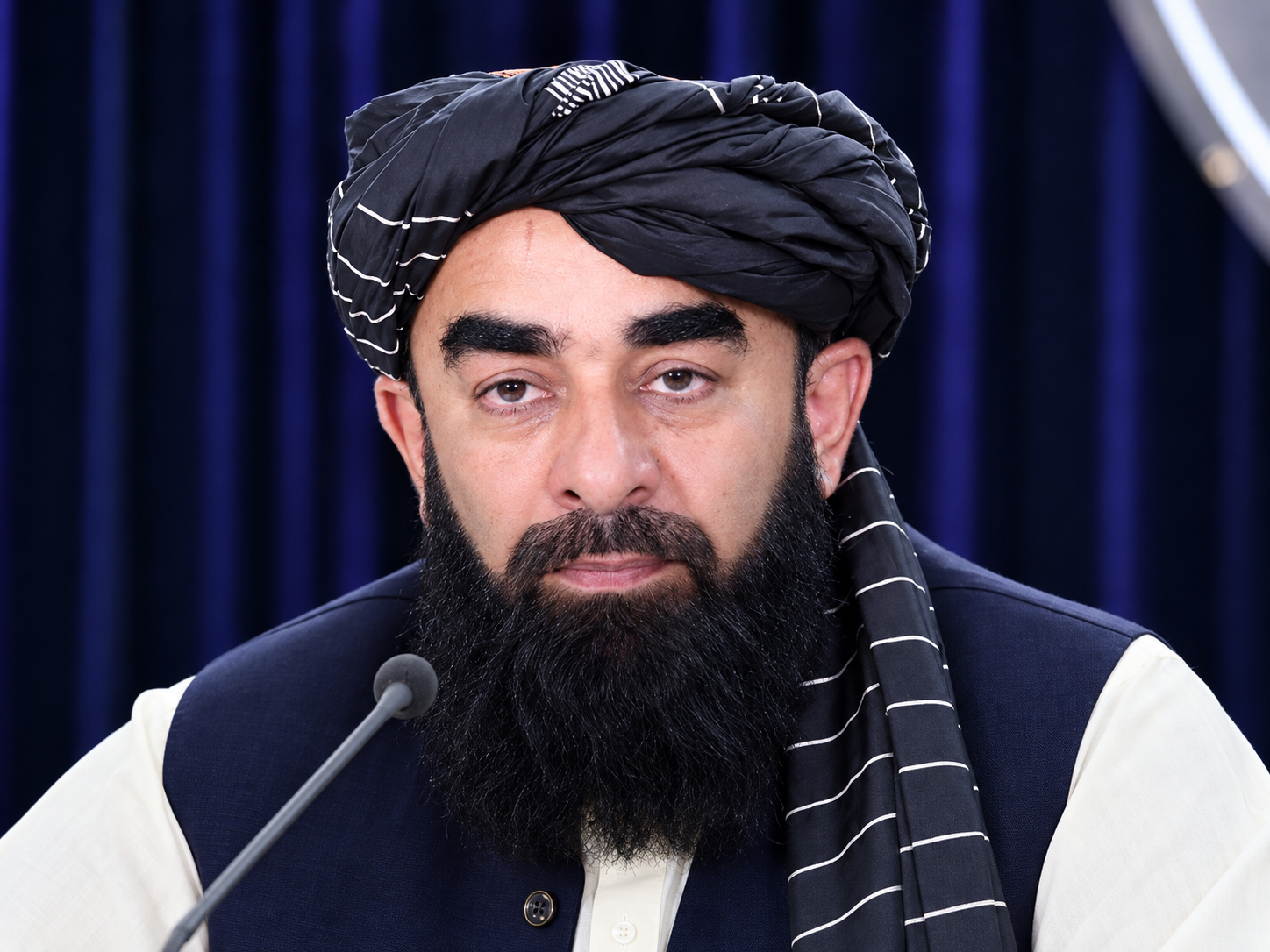
KABUL — De facto Taliban spokesperson Zabihullah Mujahid has called on the international community to expand political and diplomatic relations with Kabul, arguing that constructive engagement serves the interests of the Afghan people and promotes regional stability.
Mujahid’s remarks followed a preparatory technical meeting of the Organization of Islamic Cooperation (OIC) Ministerial Contact Group on Afghanistan in Jeddah, Saudi Arabia, where participants reviewed a proposed roadmap for phased engagement with de facto authorities in Kabul.
Key points from Kabul and the OIC Jeddah meeting
The exchange underscores both Kabul’s push for normalized ties and the OIC’s effort to structure dialogue around core humanitarian and political issues:
- Kabul’s Appeal for Broader Ties: Mujahid welcomed efforts to strengthen Afghanistan’s external relations and urged countries and international organizations to take account of realities on the ground and create opportunities for direct, comprehensive diplomatic engagement.
- OIC Contact Group Review in Jeddah: According to OIC readouts, the Jeddah session examined Afghanistan’s evolving political and humanitarian situation and reviewed priorities for implementing resolutions adopted by the OIC Council of Foreign Ministers through structured, direct dialogue.
- Dialogue Without Formal Recognition: The OIC has not announced formal adoption of the roadmap, published implementation phases, or referenced diplomatic recognition of the Taliban administration—framing the initiative instead as a structured mechanism for dialogue on shared priorities.
- Outstanding International Concerns: In previous statements, the 57-member OIC has identified girls’ education, women’s rights within Islamic principles, counterterrorism, food security, and humanitarian and economic assistance as central priorities in its engagement with Kabul.
Balancing engagement and human rights benchmarks
While Taliban officials continue to seek wider diplomatic normalization without external preconditions, international and Muslim-majority bodies face ongoing questions over whether phased engagement mechanisms will deliver measurable progress on women’s education, minority rights, and inclusive governance.