

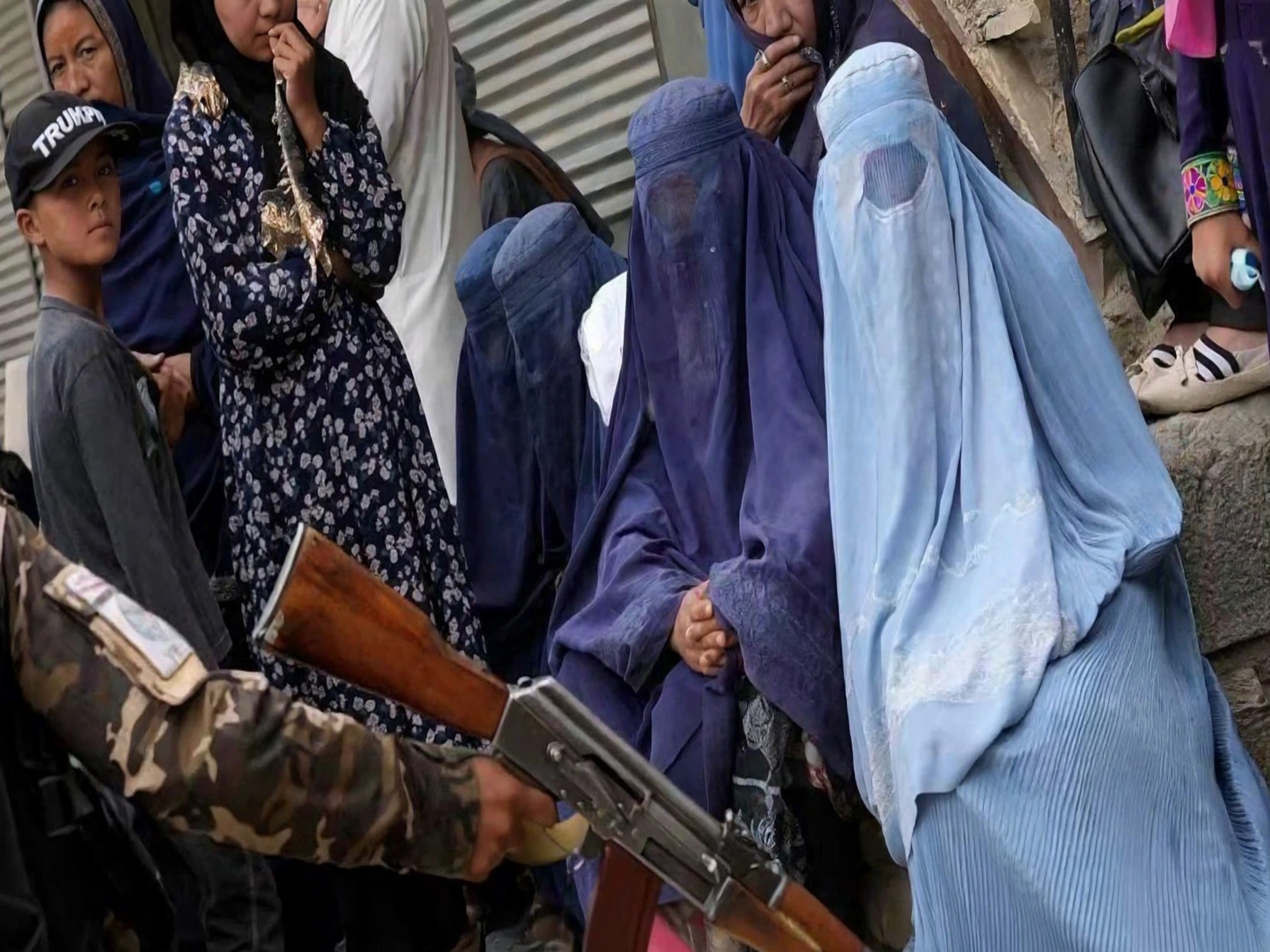
KABUL / GENEVA — The United Nations has warned that Afghan women are confronting the “world’s worst women’s rights crisis” as sweeping Taliban restrictions—compounded by humanitarian funding cuts and barriers to essential services—threaten the lives and futures of millions of women and girls across Afghanistan.
UN officials, including UN Women Special Representative in Afghanistan Susan Ferguson, have cautioned that Afghan women are effectively “fighting for their own survival” as bans on education, employment, movement, and healthcare access deepen a multi-layered crisis.
Key dimensions of the UN warning
UN assessments and agency briefings point to compounding risks across education, healthcare, and humanitarian support:
- Millions Affected by Restrictions and Aid Cuts: UN warnings highlight that millions of Afghan women and girls face systemic exclusion from public life alongside shrinking humanitarian assistance, forcing aid agencies to make difficult choices over who receives support.
- Education Ban and Downstream Risks: With roughly 2.6 million girls barred from secondary education—on top of earlier restrictions on higher education—UN officials warn that prolonged exclusion risks driving higher rates of child marriage and maternal mortality.
- Healthcare and Protection Gaps: Aid agencies have emphasized that restrictions and service closures—including reductions in humanitarian health facilities and support points for gender-based violence survivors—heighten dangers for pregnant women, mothers, and vulnerable households.
- Call for Sustained International Backing: UN representatives have urged governments and international donors to maintain and expand support for Afghan women and girls and keep their rights at the center of global advocacy.
Compounding pressures on Afghan households
The UN’s warning comes amid economic strain, returnee pressures, and ongoing restrictions enforced by de facto authorities, with international bodies stressing that reversing the trajectory requires both sustained humanitarian aid and concrete diplomatic pressure to restore women’s and girls’ fundamental rights.