

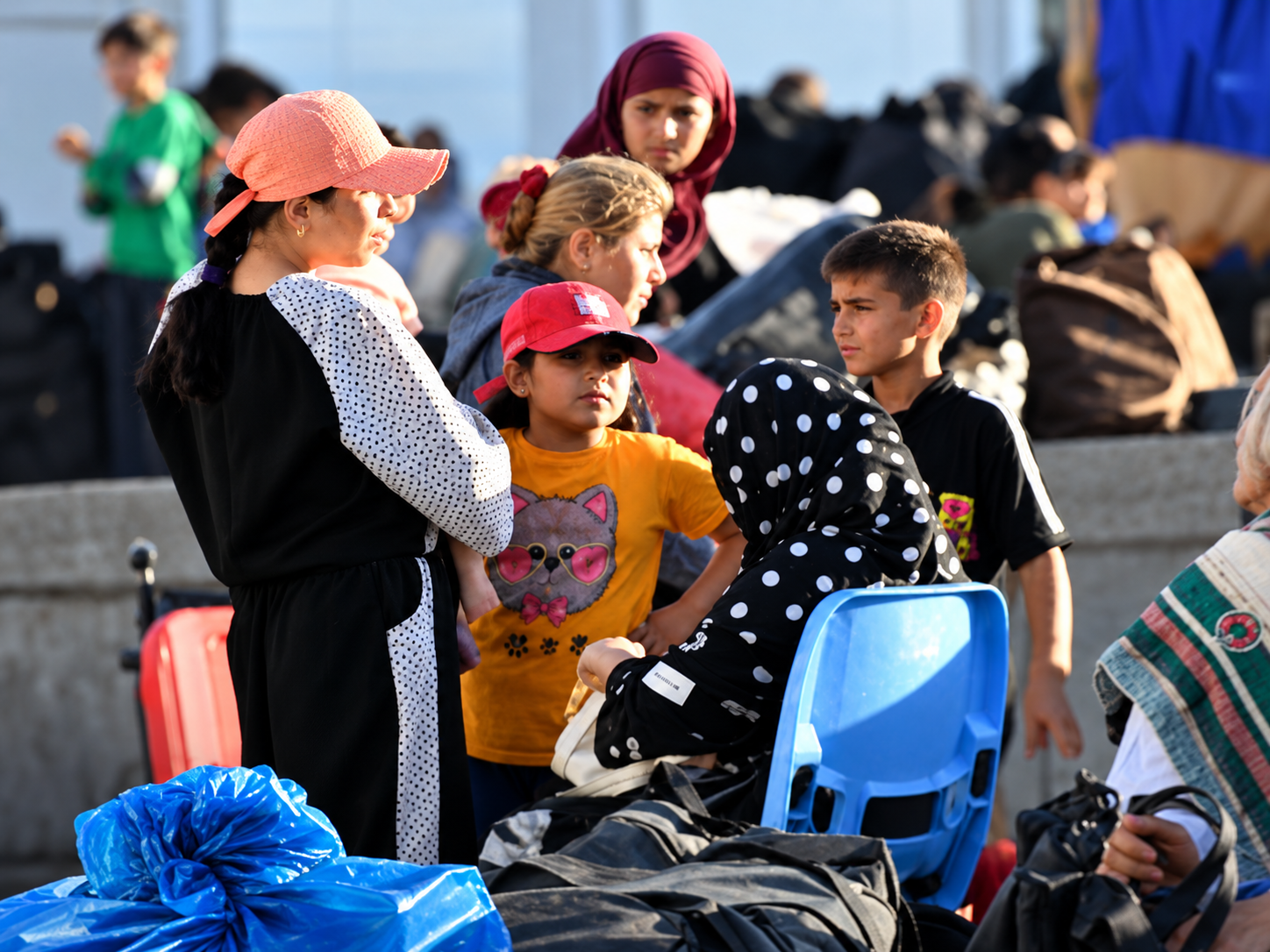
KABUL — Afghan women and girls who have been deported or returned from Iran and Pakistan face severe poverty, unemployment, and shortages of basic necessities upon re-entering Afghanistan, according to a report published by the United Nations High Commissioner for Refugees (UNHCR) on Sunday, November 22, 2026 (1 Qaws / Azar 1405).
The UN refugee agency used the personal accounts of two women deported from Iran—Homa, 44, and Zahra, 28—to illustrate the acute economic, medical, and social pressures confronting returning families amid sweeping restrictions on women’s work and public life.
Personal accounts of survival after deportation
UNHCR’s report contrasts the relative financial independence both women had built in Iran with their daily struggle to meet basic needs back in Afghanistan:
- Homa’s Struggle to Feed Her Family: After spending six years in Iran—where she earned a steady living cleaning apartments and collecting recyclable plastic—44-year-old Homa was deported and now serves as her household’s sole breadwinner. Sharing a single room at her brother-in-law’s house with her husband, who has a disability and cannot work, she cleans homes and sews when orders are available, and told UNHCR that financial strain sometimes forces her to beg on the street. Recovering from appendicitis surgery and in debt for her medical costs, she used UNHCR cash assistance to buy rice, cooking oil, and a sewing machine so she can earn an income from home.
- Zahra’s Blocked Career and Family Separation: A 28-year-old trained midwife who previously worked for five years caring for an elderly woman in Iran, Zahra returned to Herat province where she has been unable to find paid employment despite volunteering in clinics. Living with her parents and siblings—where her father is blind and her younger brother is the sole steady earner—she also remains separated from her six-year-old son, who lives with her ex-husband.
Scale of returns and humanitarian strain
UNHCR officials noted that the surge in cross-border returns has placed immense pressure on housing, jobs, and basic services across Afghanistan:
- Millions Returning: According to UNHCR’s Charlie Goodlake, more than 6.5 million Afghans have returned over the past three years—including nearly 3 million in 2025—adding over 10 percent to Afghanistan’s population.
- Women and Children Most Affected: Women and girls account for more than half of the people UNHCR assists, while women and children together make up nearly 82 percent of assisted returnees.
- Targeted Relief Efforts: Alongside emergency shelter, legal aid, and psychosocial support, UNHCR operates more than 150 vocational training projects nationwide and distributes cash assistance to help women establish home-based livelihoods despite strict labor and movement restrictions.