

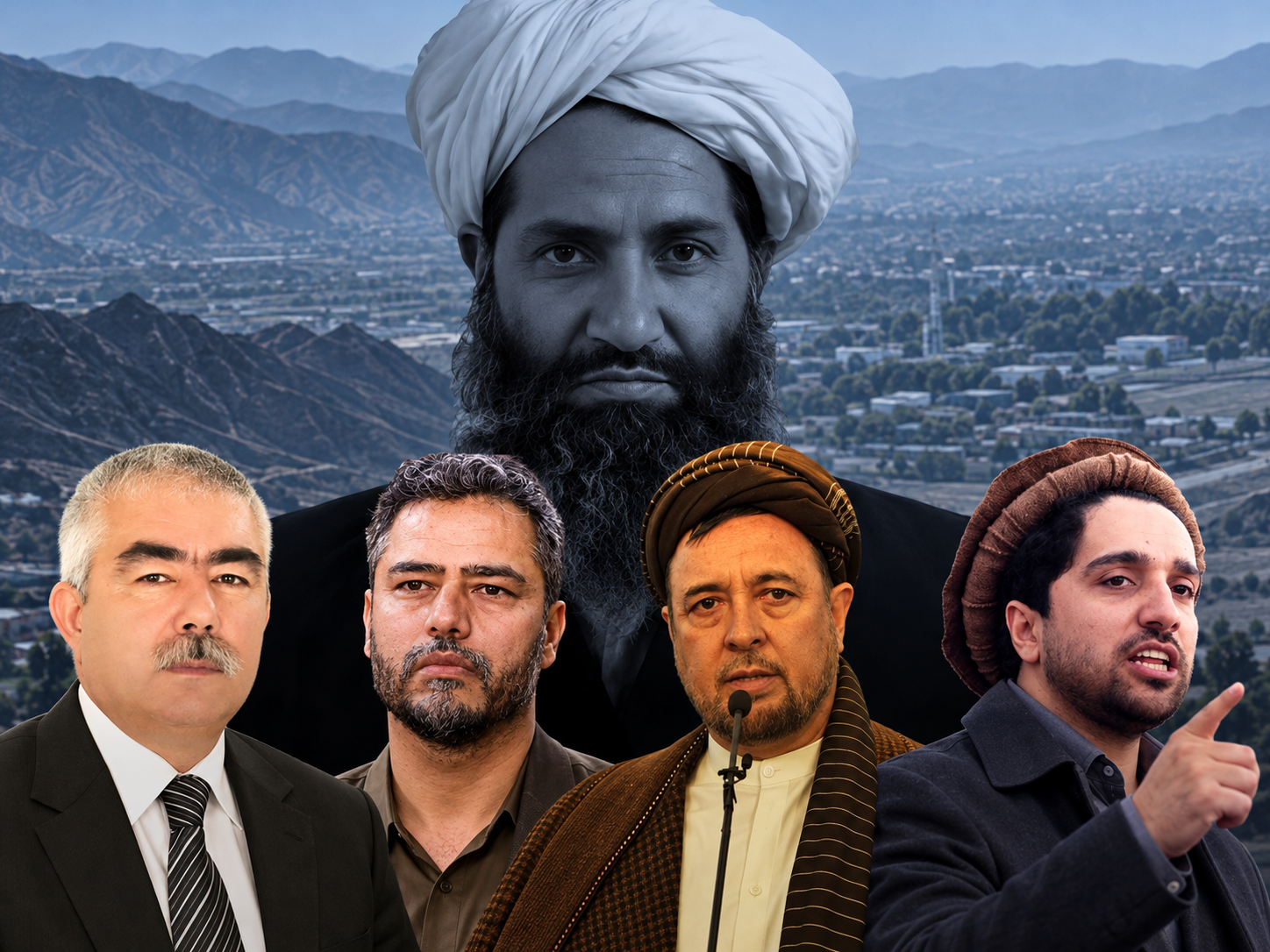
KABUL / PESHAWAR — A call by Taliban leader Mullah Hibatullah Akhundzada urging opposition figures to return to Afghanistan has drawn sharp headlines not only for the appeal itself, but for the split reaction among Taliban opponents—a divide that the submitted commentary argues reflects the persistent role of ethnicity in shaping Afghan political judgments.
According to the text, responses to Akhundzada’s remarks have largely diverged along communal lines, with several Pashtun political figures and groups welcoming the call openly while many non-Pashtun political figures and opposition groups responded with skepticism and raised strong objections to other parts of his speech. The dispatch cuts off mid-text just after introducing the first analytical point.
Key points from the commentary
The analysis argues that reactions to the Taliban leader’s invitation reflect deeper structural dynamics rather than a simple disagreement over one address:
- Split Response Along Ethnic Lines: Some Pashtun opponents greeted Akhundzada’s appeal warmly, whereas non-Pashtun political actors expressed deep doubt and raised strong objections to other parts of the speech.
- Ethnicity as a Political Filter: The commentary contends that these differing stances cannot be reduced merely to political preferences or readings of a single address, pointing instead to ethnicity as a longstanding factor influencing how political positions are formed in Afghanistan.
- First Point — The “Ethnic Lens” Among Opponents: The text argues that viewing events through an overt or hidden ethnic lens can lead some Pashtun critics to embrace a brief invitation to return as if it erases the Taliban’s five-year record or signals a fundamental shift in the movement’s character, allowing shared identity to obscure flaws and encourage wishful interpretation.
- Incomplete Source Excerpt: The submitted passage ends right after laying out the first point, leaving the second point to be added if the rest of the text is shared.
Broader context on Afghan opposition politics
Since the Taliban’s return to power in August 2021, exiled politicians, former officials, and anti-Taliban movements have faced persistent divisions over political strategy, representation, and whether any outreach from Kandahar alters the underlying governance structure. Debates over return offers, conditional roles, and institutional demands continue to expose deep fault lines within Afghanistan’s fragmented opposition.