

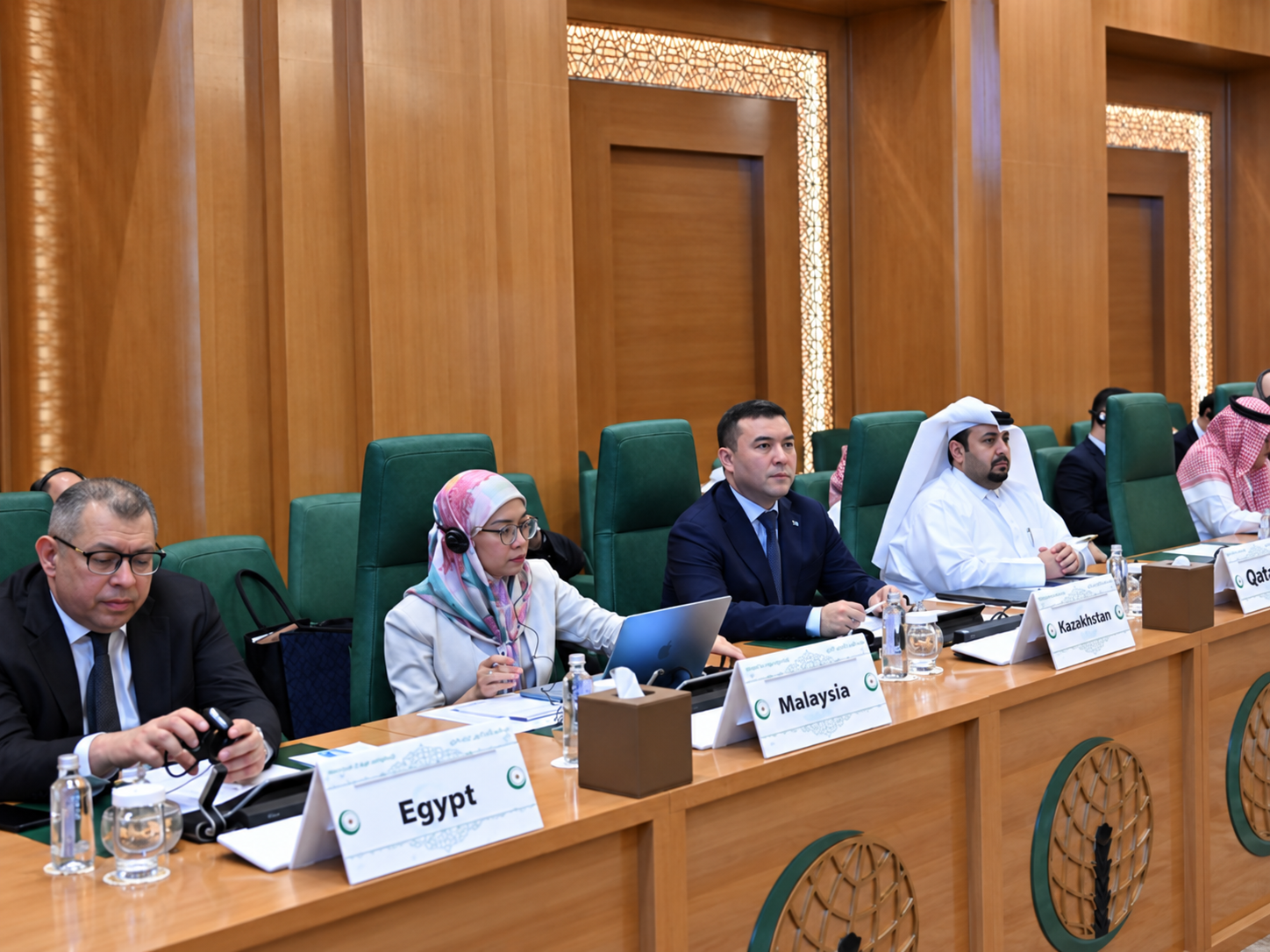
JEDDAH — The Organisation of Islamic Cooperation (OIC) Ministerial Contact Group on Afghanistan has discussed developing a structured, phased roadmap for engagement and dialogue with de facto Taliban authorities in Kabul, according to an organizational statement issued following a technical preparatory meeting in Jeddah, Saudi Arabia.
In its statement on Sunday, November 22, 2026, the 57-member bloc said participants reviewed key developments surrounding Afghanistan’s political and humanitarian situation and examined ways to establish an organized framework for interacting with Taliban officials.
Phased framework and stated priorities
According to the OIC’s account of the Jeddah technical session, discussions centered on setting clear parameters and priorities for future outreach:
- Gradual, Multi-Phase Approach: The OIC said the proposed roadmap is intended to guide structured, step-by-step communication with Taliban authorities rather than ad hoc contact, aiming to serve the interests of the Afghan people and support stability and development
- Direct Dialogue and Resolutions: Participants noted the group would pursue direct and constructive talks with Taliban officials on shared priorities while aligning its work with resolutions adopted by the OIC Council of Foreign Ministers—though the statement did not announce a formal adoption date, timeline, or specific benchmarks.
- Humanitarian and Social Concerns: Across recent engagements, the OIC has repeatedly pointed to humanitarian and economic needs alongside recurring calls—including on issues such as girls’ education—within its diplomatic framing.
Pushback from rights advocates over perceived hypocrisy
Moves toward formalized engagement with the Taliban continue to draw fierce criticism from Afghan activists and human rights organizations, who argue that diplomatic roadmaps and engagement statements risk normalizing de facto rule while fundamental freedoms remain severely curtailed. Critics contend that international and Western rhetoric around engagement rings hollow when weighed against ongoing restrictions on women, girls, civic space, and basic human rights inside Afghanistan.