

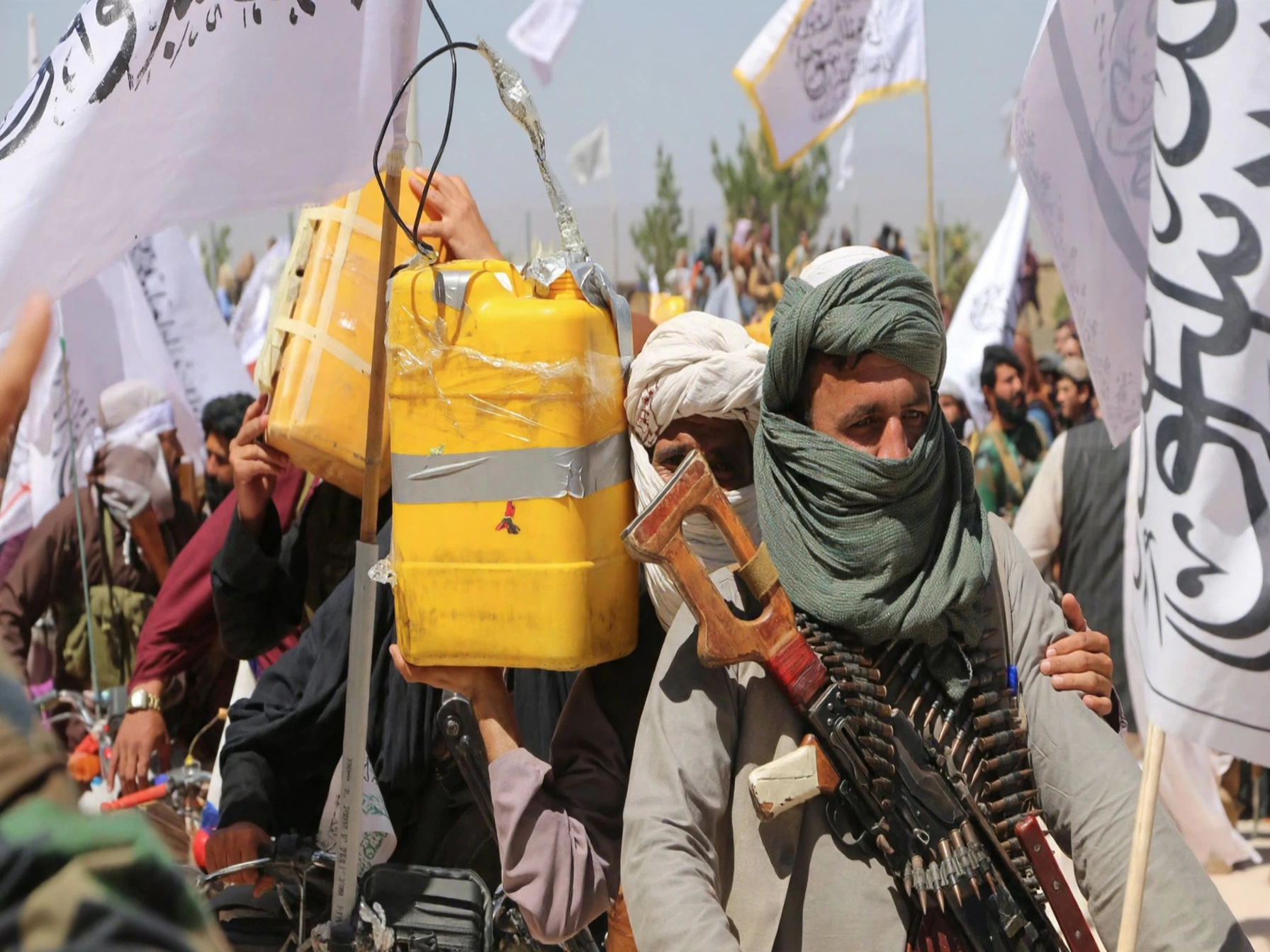
GHAZNI — De facto Taliban authorities in eastern Ghazni province have announced a directive to collect and preserve “jihadist artifacts” under an order issued by the group’s leadership, according to local sources reporting on Tuesday, November 24, 2026 (3 Qaws / Azar 1405).
Sources confirmed to media outlets that Hamidullah Nesar, the Taliban’s head of information and culture in Ghazni, relayed the directive before the submitted dispatch cut off mid-sentence while referencing the information and culture official. Additional details on the specific items targeted, storage or exhibition plans, and local rollout can be added once the remainder of the text is shared.
Key points from the Ghazni directive
The announcement highlights how Taliban cultural authorities are prioritizing conflict-era and insurgency-related materials alongside broader heritage work:
- Leadership Directive: According to local sources, the collection and preservation campaign stems from an order issued by the Taliban leadership and was announced by Ghazni’s provincial information and culture chief, Hamidullah Nesar.
- Focus on “Jihadist Artifacts”: The order directs local authorities to gather and safeguard items classified by the group as jihadist artifacts, reflecting efforts to institutionalize and memorialize the Taliban’s armed campaign and insurgency history.
- Incomplete Source Excerpt: Because the provided report cuts off mid-sentence on 3 Qaws/Azar after mentioning the head of information, further specifics regarding implementation mechanisms or official commentary await the rest of the source text.
Heritage management in Ghazni and across Afghanistan
Ghazni is long recognized for a layered historical record spanning pre-Islamic traditions, the Ghaznavid era, and modern Afghan conflicts, with provincial and national authorities frequently transferring discovered relics to museums and announcing heritage initiatives. At the same time, cultural observers closely watch how de facto authorities balance the preservation of broader archaeological and historic sites against ideological curation centered on the Taliban’s own military past.