

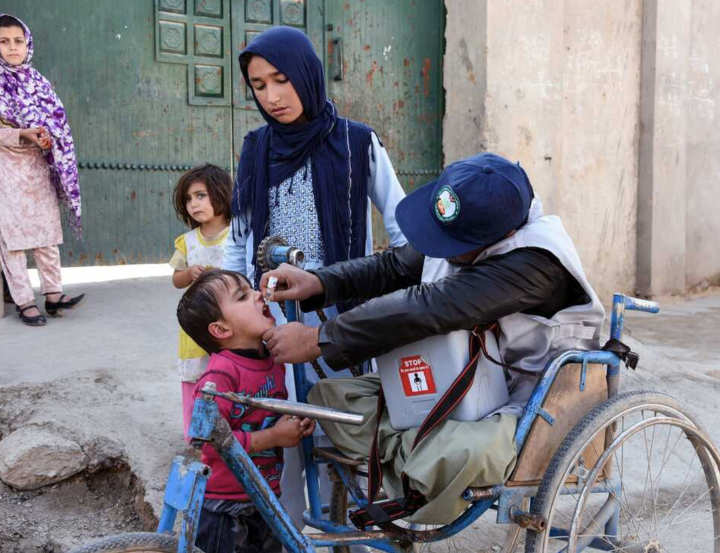
GENEVA / ISLAMABAD — The World Health Organization (WHO) has reported 59 confirmed cases of wild poliovirus type 1 (WPV1) across Afghanistan and Pakistan since the beginning of 2026, with 50 cases recorded in Afghanistan and the remaining 9 cases confirmed in Pakistan.
According to WHO Eastern Mediterranean regional surveillance figures through late November 2026, the distribution highlights a sharp shift in caseloads between the two remaining endemic countries compared with the previous year.
Breakdown and regional trend
The 2026 figures underscore ongoing transmission challenges across cross-border corridors and high-risk pockets:
- Afghanistan Accounts for Most Cases: Fifty of the 59 confirmed wild polio cases in 2026 have been detected in Afghanistan, making up the vast majority of the combined regional tally.
- Pakistan’s Lower Caseload: Nine confirmed cases have been reported in Pakistan in 2026, down substantially from Pakistan’s total of 31 cases in 2025.
- Cross-Border Mobility and Immunization Gaps: Health agencies and the Polio International Health Regulations (IHR) Emergency Committee have pointed to population movement—including returnees and mobile communities—alongside missed children, operational access constraints, and surveillance detections as persistent obstacles to halting transmission.
Sustained eradication efforts required
Both Afghanistan and Pakistan remain the only countries where endemic wild poliovirus type 1 continues to circulate. Public health authorities and Global Polio Eradication Initiative partners continue to rely on synchronized vaccination drives, transit-point immunization, and environmental and acute flaccid paralysis (AFP) surveillance to reach every child and interrupt virus spread.