

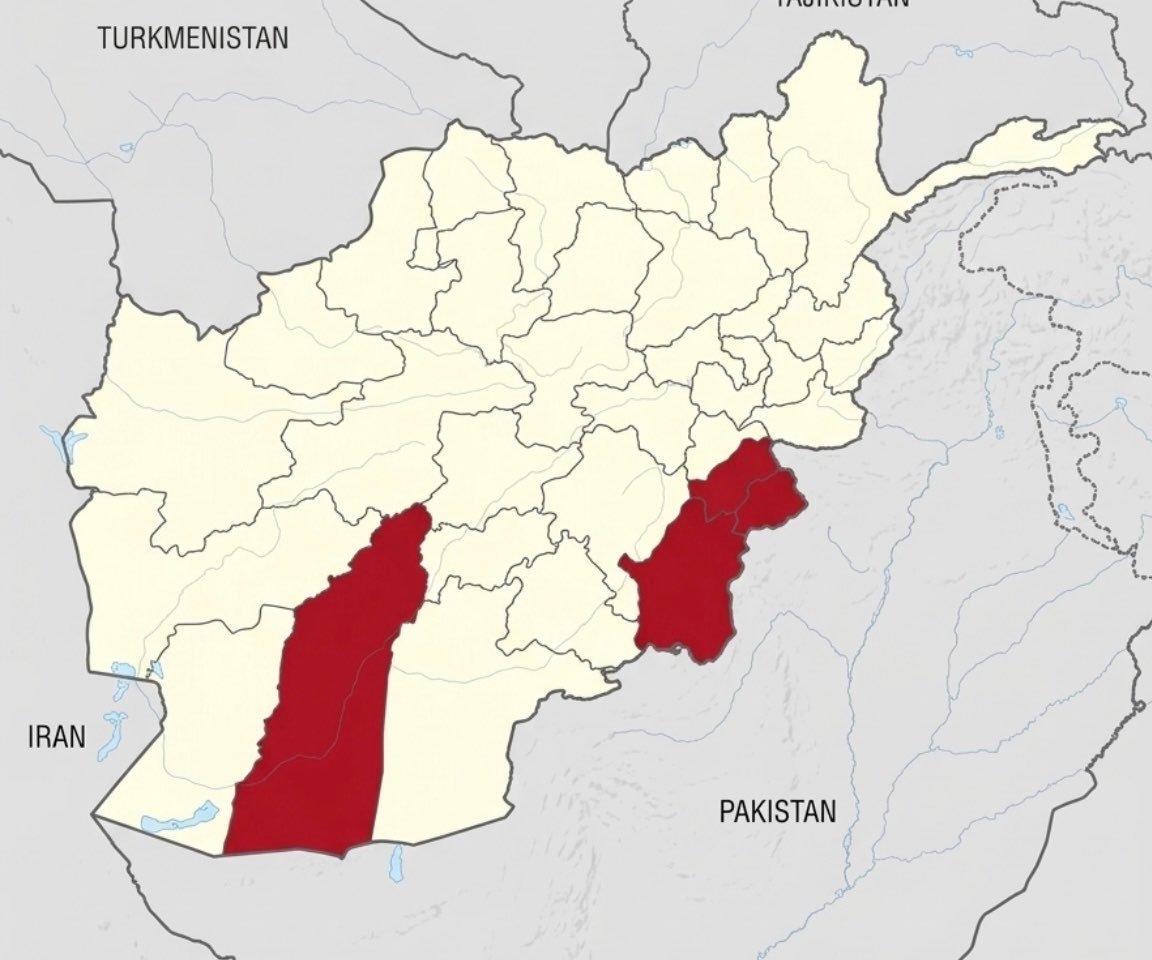
The de facto Taliban administration has reportedly initiated the large-scale construction of underground tunnel networks across several southern and eastern provinces bordering Pakistan, including Helmand, Paktia, Paktika, and Zabul. According to local sources and regional monitors, the regime has mobilized unemployed local laborers and initiated fresh recruitments to advance the engineering works, driven by acute strategic anxiety over potential precision airstrikes targeting militant infrastructure.
The fortification effort follows a series of cross-border security escalations and retaliatory strikes by Pakistan against terrorist hideouts operating within Afghan territory. Intelligence assessments indicate that the underground structures are intended to serve as tactical shelters for Taliban border units and allied proxy elements, mitigating their vulnerability to aerial surveillance and kinetic counter-terrorism operations.
This defensive scramble underscores the growing military friction characterizing bilateral relations along the Durand Line. Despite repeated international demands and direct appeals from Islamabad for the de facto regime to dismantle foreign militant networks operating with impunity inside Afghanistan, Kabul has consistently resorted to evasive security measures and military build-ups rather than genuine counter-terrorism compliance.
For neighboring states, particularly Pakistan, the militarization of the border strip and the implicit protection of transnational militant factions highlight persistent regional security threats. Unchecked cross-border terrorism and defensive posturing by the ruling administration continue to threaten stability and economic connectivity across South Asia.
International security analysts note that constructing underground fortifications cannot mask the fundamental illegitimacy and security liabilities of a regime harboring extremist networks. Long-term regional peace requires absolute adherence to counter-terrorism commitments, dismantling cross-border proxy safe havens, and establishing accountable, cooperative governance.