

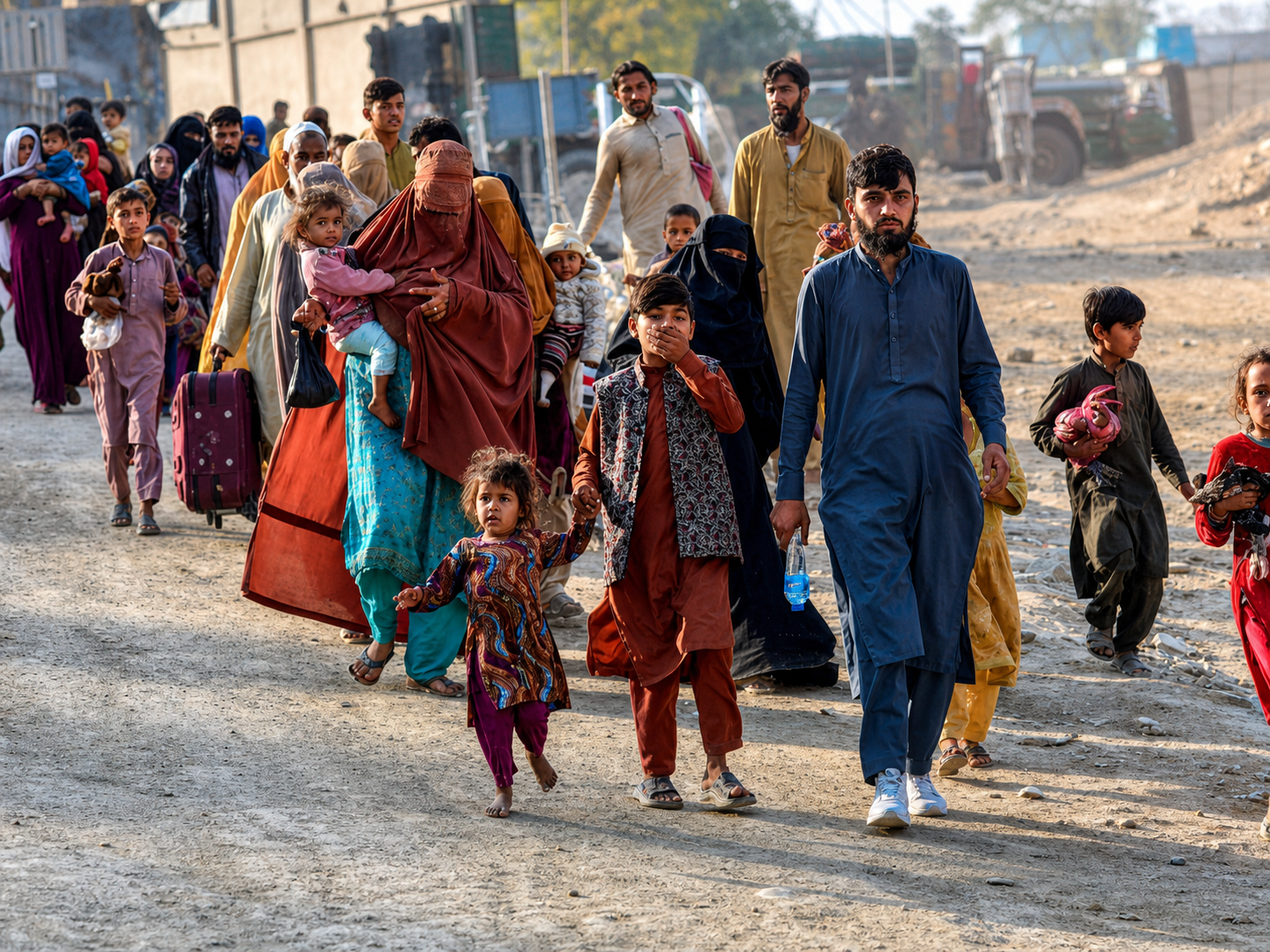
More than 3,850 Afghan nationals comprising 819 families have been forcibly repatriated from neighboring countries over a six-day period, according to reporting released on Wednesday, 6 Aqrab.
The forced returns highlight the relentless pressure on border infrastructure along eastern and southern transit corridors, where humanitarian agencies and de facto reception centers face ongoing logistical constraints in absorbing thousands of returnees weekly.
Border Processing Metrics and Inflow Vectors
According to official intake figures compiled across primary border posts, the influx was processed through key eastern and southern transit gateways:
- Torkham Crossing Intake: Official reports confirm that 199 families, accounting for 999 individuals, entered Nangarhar province after being processed through the Torkham border terminal.
- Spin Boldak and Regional Points: The remainder of the 819 families were pushed back across the southern Spin Boldak crossing in Kandahar as well as western border check posts, reflecting intensified enforcement drives by neighboring states.
- Intake and Reception Operations: Returning families were directed to temporary transit camps set up near border points to receive initial registration, emergency food aid, and transport assistance to their home provinces.
Humanitarian Vulnerabilities and Regional Strain
The sustained pace of forced deportations continues to strain local resources across Afghanistan’s eastern and southern provinces. Human rights and aid organizations express deep concern over the lack of sustainable reintegration capacity, noting that many returning families arrive destitute without adequate shelter, basic winter supplies, or employment prospects.
Despite repeated appeals from international humanitarian entities urging neighboring governments to halt involuntary returns during periods of economic instability, enforcement campaigns targeting undocumented Afghan populations remain active across the region.