

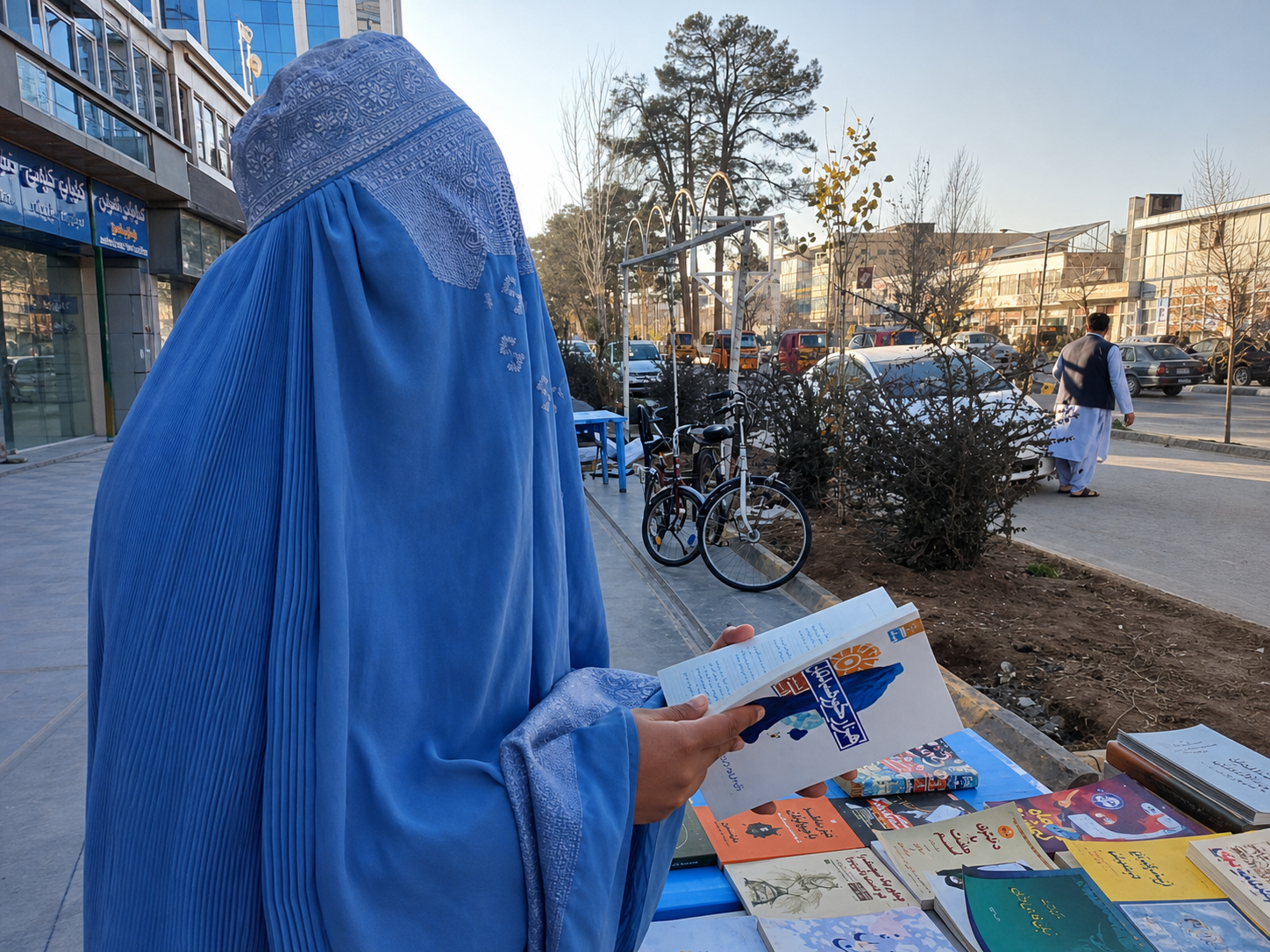
Public discourse surrounding Afghanistan frequently criticizes international bodies for failing to halt the de facto administration’s progressive elimination of women’s basic rights. The perception of international silence highlights a critical gap between global diplomatic denunciations and practical enforcement mechanisms on the ground.
While public frustration stems from the lack of coercive intervention, United Nations entities, including the Security Council, UNAMA, and UN Women, maintain an active, documented posture tracking and condemning each systemic decree.
Systematic Documentation and Institutional Response
The United Nations mechanism operates primarily through legal documentation, multilateral reporting, and humanitarian advocacy rather than direct operational enforcement:
- School and University Bans: UNESCO, UN Women, and the UN Human Rights Office have formally characterized the ban on female education above the sixth grade as a violation of international law, issuing periodic status reports detailing the economic and social toll of excluding millions of young women from academic institutions.
- Workplace Invalidation: UN entities have repeatedly condemned decrees barring women from non-governmental organizations, private businesses, and local UN offices, warning that such prohibitions paralyze international aid delivery across rural sectors.
- Movement and Dress Directives: Recent reports from the High Commissioner for Human Rights and UNAMA specifically detail the enforcement of the “Virtue and Vice” framework, identifying mahram mandates, voice restrictions (awrah), and strict facial coverage requirements as a institutionalized system of gender segregation.
Strategic Limitations of International Engagement
Despite consistent public statements, Security Council briefings, and formal reviews under the Convention on the Elimination of All Forms of Discrimination Against Women (CEDAW), the UN faces severe operational constraints in enforcing compliance:
- Lack of Coercive Leverage: International bodies possess limited practical tools to alter internal policy decisions made by the supreme leadership in Kandahar without military intervention or total diplomatic severance.
- Divergent Security Council Priorities: UN Security Council resolutions regarding Afghanistan remain constrained by geopolitical divisions among permanent members over sanctions management, formal recognition, and counter-terrorism guarantees.
- The Humanitarian Dilemma: Aid agencies face an ongoing conflict between suspending operations to protest rights violations or remaining in-country to deliver essential food and healthcare to millions of vulnerable citizens facing economic collapse.
Human rights advocates continue to demand that international organizations move beyond statements of concern to explore legal accountability avenues, including proceedings before the International Court of Justice and formal recognition of gender apartheid under international law.