

With only 51 days remaining before the current term of the United States Congress adjourns on January 3, 2027, the fate of proposed legislation aimed at preventing American taxpayer money and international aid from reaching the Taliban remains uncertain.
Introduced in the U.S. House of Representatives on January 9, 2025, by Republican Representative Tim Burchett of Tennessee, the No Tax Dollars for Terrorists Act (H.R. 260) passed the House on June 23, 2025, and was subsequently approved by the Senate Foreign Relations Committee on January 29, 2026. However, the measure still requires a full Senate floor vote and presidential signature before the January 3 deadline—otherwise, the legislative process will expire and must be restarted in the next Congress.
How weekly cash shipments reach Kabul
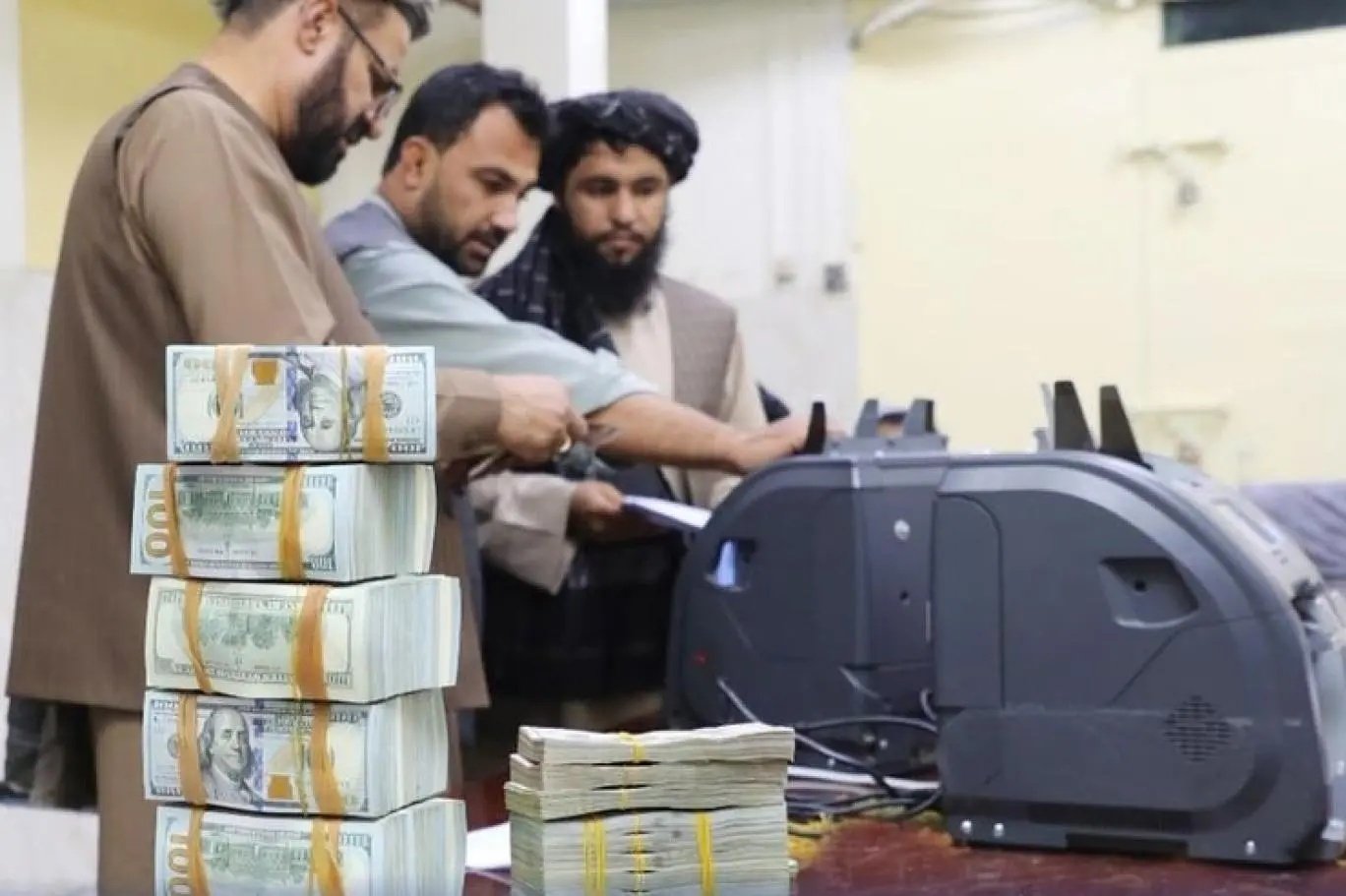
Scrutiny over international cash transfers has intensified following oversight reports by the U.S. Special Inspector General for Afghanistan Reconstruction (SIGAR). According to SIGAR findings, the United Nations transferred at least $3.6 billion in physical U.S. currency into Afghanistan across 2022 and 2023—averaging roughly $40 million per week—to finance humanitarian operations run by UN agencies, the World Bank, the Asian Development Bank, and partner non-governmental organizations.
While intended to stabilize basic services and prevent economic collapse, oversight bodies and lawmakers have warned that large-scale cash inflows create persistent vulnerabilities to diversion and exploitation by de facto authorities in Kabul.
Documented patterns of Taliban interference and diversion
Assessments by both SIGAR and the UN Office for the Coordination of Humanitarian Affairs (OCHA) have outlined multiple mechanisms through which the Taliban exert influence over and derive financial benefit from international assistance:
- Diversion and Beneficiary Manipulation: Watchdog reports have documented instances of local Taliban officials interfering in beneficiary lists, steering aid toward loyalist communities and families, pressuring implementing agencies on staff hiring, and diverting portions of food assistance—including World Food Program supplies—to group fighters and relatives.
- Taxes, Fees, and Affiliated Contractors: De facto authorities generate revenue from humanitarian operations through customs duties, taxes, administrative fees, and requirements that aid organizations contract with Taliban-affiliated vendors and service providers.
- Currency and Banking Leverage: Oversight analyses have also raised concerns that large dollar shipments entering Kabul’s financial system enable the Taliban-controlled central bank and currency markets to benefit from exchange rate spreads and liquidity management.
What the legislation proposes—and the humanitarian dilemma
If enacted before the January 3, 2027 deadline, H.R. 260 would require the U.S. Department of State to formulate and implement a formal strategy to oppose and discourage foreign governments and non-governmental organizations from providing financial or material support to the Taliban. The bill also mandates detailed reporting to Congress on countries and entities assisting the group, the status of U.S.-funded cash assistance programs, and oversight of the Afghan Fund and Afghanistan’s central bank.
As supporters rally voters to urge their senators to bring the bill to the floor, policymakers face a pressing challenge: enforcing strict financial guardrails to cut off Taliban revenue streams without severing life-saving humanitarian assistance for millions of impoverished Afghans who rely on international aid for survival.