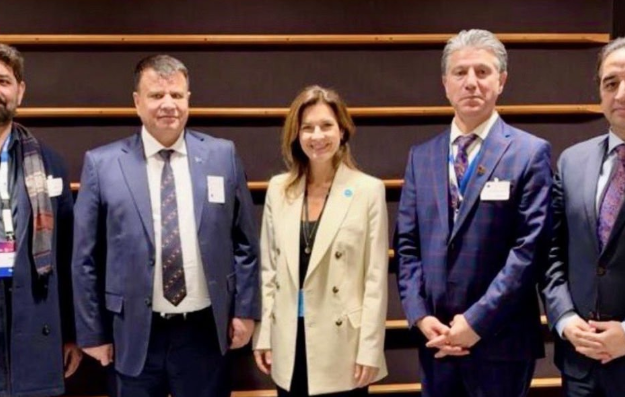
The permanent diplomatic missions of Afghanistan, Iran, and Tajikistan convened a joint international scientific conference at the United Nations headquarters in Geneva on Thursday, 21 Aqrab (November 12, 2026), spotlighting the enduring scientific and philosophical legacy of medieval polymath Abu Ali Sina Balkhi (Avicenna) alongside the deep historical and cultural ties uniting the three Persian-speaking nations.
Organized through the cooperation of the three missions—with Afghanistan represented at the UN in Geneva by diplomatic envoys appointed under the former Islamic Republic rather than de facto Taliban authorities—the gathering brought together diplomats, scholars, and international participants at the Palais des Nations.
Celebrating shared scientific heritage and historical bonds
Speakers and delegates underscored how the intellectual achievements of Abu Ali Sina Balkhi continue to serve as a bridge across the region and a foundational pillar of global scientific history:
- Enduring Contributions to Human Civilization: Addressing the joint conference, Iran’s Ambassador to the UN Office in Geneva, Ali Bahreini, emphasized Ibn Sina’s lasting contributions to medicine, philosophy, and human civilization, highlighting how his monumental works—such as The Canon of Medicine—shaped centuries of scientific inquiry across both the Islamic world and Europe.
- Trilateral Cultural Solidarity: Jointly coordinated by Tajikistan, Iran, and the Permanent Mission of Afghanistan, the event highlighted the shared linguistic, literary, and historical heritage connecting Balkh, Bukhara, and Hamadan—the cities closely tied to Ibn Sina’s life and scholarship.
- Promoting Knowledge Amid Regional Challenges: Participants noted that commemorating figures of rational inquiry, medical science, and philosophy carries heightened resonance at a time when educational access and scientific institutions in Afghanistan face severe restrictions under de facto rule.
The conference concluded with calls for expanded academic and cultural exchanges to preserve shared regional heritage and promote scientific dialogue on international platforms.