

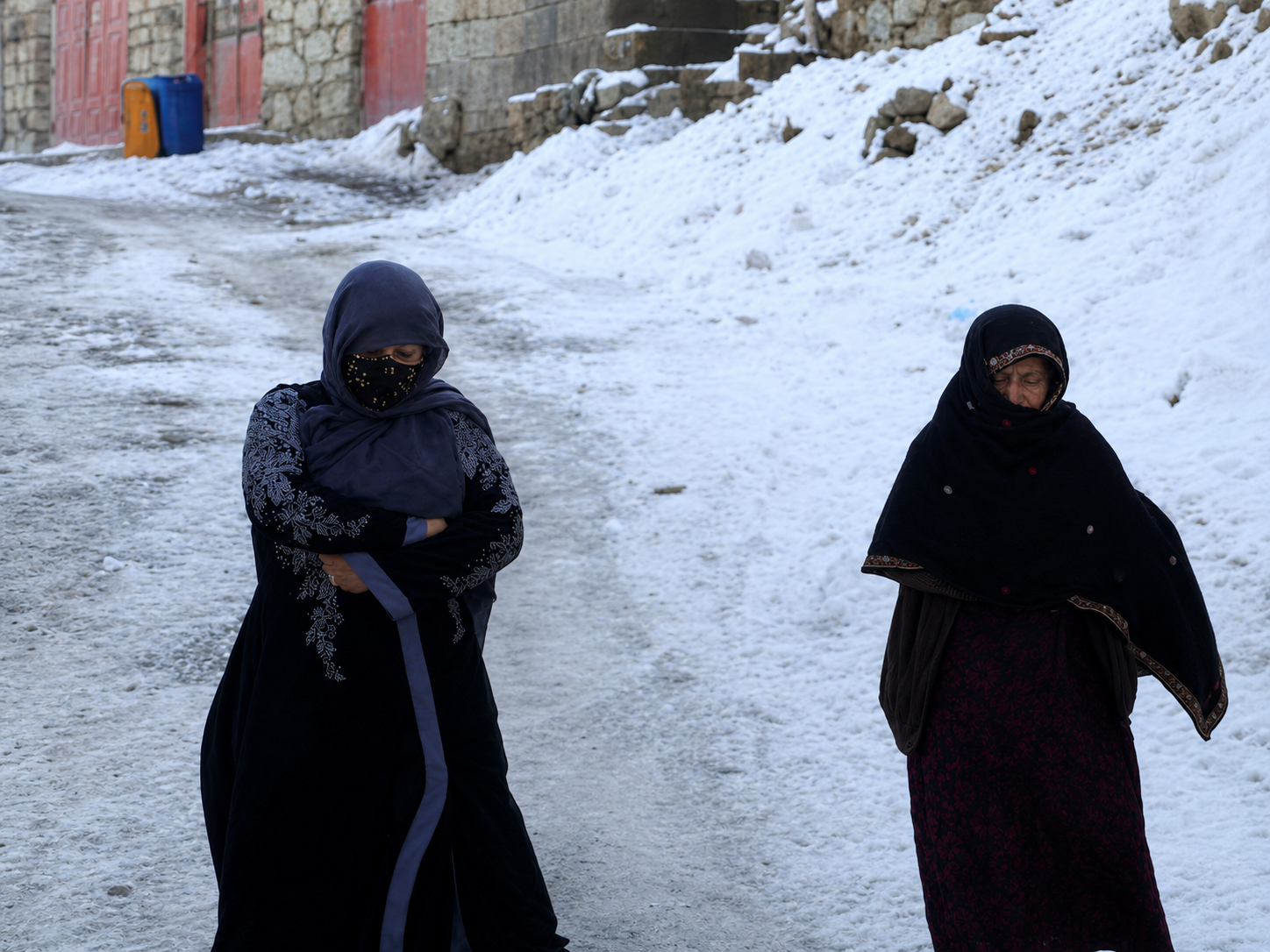
The United Nations High Commissioner for Refugees (UNHCR) has issued an urgent humanitarian warning that thousands of vulnerable families across Afghanistan face severe, life-threatening winter conditions, with temperatures in parts of the country plunging as low as minus 25 degrees Celsius.
As freezing weather sets in, the agency has appealed for immediate international funding and emergency assistance to deliver warm clothing, heating equipment, fuel, and insulated shelter to displaced households and impoverished communities before heavy snowfall blocks access to remote areas.
Millions in need amid massive returnee influx and funding gaps
According to UNHCR assessments, compounding crises—including mass deportations from neighboring countries, economic collapse, and severe humanitarian funding shortfalls—have left millions of Afghans dangerously exposed to the harsh winter:
- 4.2 Million People Need Shelter Aid: UNHCR estimates that approximately 4.2 million people across Afghanistan require urgent shelter assistance in 2026, while nearly one-third of assessed households report lacking adequate winter clothing.
- Strain of Mass Returns: Close to four million Afghans returned from Pakistan and Iran between January 2025 and July 2026, many arriving with depleted savings and without permanent housing or local livelihoods.
- Impossible Survival Choices: UNHCR officials warn that destitute families are increasingly forced to choose between heating their homes, buying food, and paying for medical care—with many resorting to burning cardboard, paper, or plastic waste for warmth when coal and firewood become unaffordable, heightening the risk of pneumonia and respiratory illnesses among children.
Severe funding deficits threaten winter response
The warning comes alongside broader UN appeals highlighting critical resource shortages across Afghanistan’s humanitarian sector:
- Joint Winter Response Shortfall: In a parallel assessment, the International Organization for Migration (IOM) noted that the 2026–2027 inter-agency winter response plan—aimed at reaching nearly 200,000 vulnerable people—had secured only $4 million of the $12.8 million required, leaving an $8.8 million funding gap that threatens to leave over 140,000 people without essential winter relief.
- Access Challenges in Remote Regions: Humanitarian agencies emphasize that heavy snowfall and unpaved road networks—which serve over 70 percent of rural communities—will soon cut off access to mountainous districts, making the immediate pre-positioning of blankets, heaters (bukharis), shelter repair kits, and cash assistance vital to preventing winter fatalities.
UNHCR has called on international donors to step up contributions to its global winter campaign before deep winter conditions render isolated communities unreachable.