

A comprehensive security synthesis covering military developments in Afghanistan reveals a simultaneous escalation across three distinct operational fronts: coordinated anti-Taliban resistance operations across multiple provinces, persistent kinetic cross-border shelling along the Durand Line, and heavy-handed internal suppression targeting civilians in Panjshir Province.
The convergence of internal armed resistance, border friction with Pakistani forces, and punitive security crackdowns underscores the volatile operational environment confronting de facto security organs.
Coordinated Anti-Taliban Resistance Operations
Armed anti-Taliban opposition networks—including the Afghanistan Freedom Front (AFF) and the Afghanistan United Front (AUF)—announced a noticeable surge in tactical strikes over a 24-hour period:
- Seven-Province Operational Footprint: Anti-Taliban forces executed targeted operations spanning Ghor, Badakhshan, Ghazni, Zabul, Kandahar, Parwan, and the Qarabagh district of Kabul.
- Casualty Metrics: Resistance statements claim at least 11 de facto security personnel were killed and more than 10 others wounded during the multi-province offensive.
- Tactical Vector in Kabul: The Afghanistan United Front specifically reported targeting a military vehicle in the Qarabagh district of Kabul, claiming two fatalities and one injury among de facto forces.
Cross-Border Crossfire Along the Durand Line
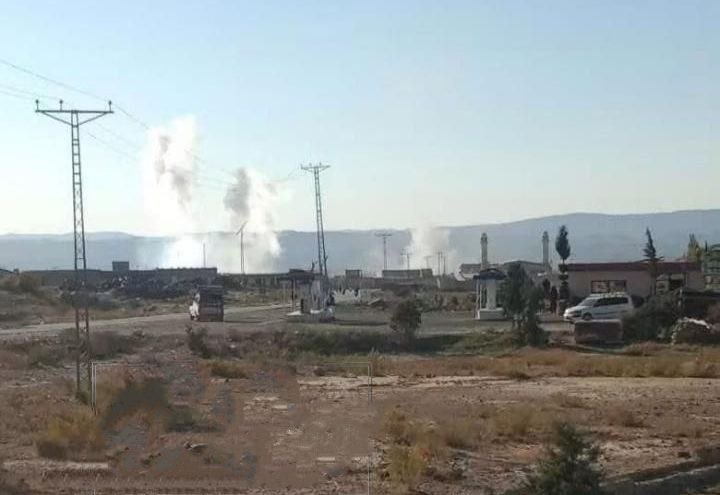
Cross-border volatility along the eastern frontier escalated following nighttime exchanges of light weapons, heavy artillery, and mortar fire near the South Waziristan sector:
- Civilian Casualties in South Waziristan: Mortar rounds fired from across the border struck residential areas and security outposts in South Waziristan, resulting in one civilian fatality and injuring five others.
- Artillery Counter-Strikes: Pakistani security forces retaliated with heavy artillery barrages targeting de facto border posts, destroying multiple positions and forcing de facto border units to fall back.
- Unresolved Friction: The engagement represents the latest in a series of militarized border disputes fueled by lingering disagreements over frontier infrastructure, illegal transit, and cross-border militant movement.
Repressive Retaliation and Movement Restrictions in Panjshir
Following a localized explosion in Panjshir Province, de facto security forces implemented sweeping collective punishment measures targeting local populations in the Dara Abdullah Khel district:
- Mass Detentions and Abuse: Security personnel arrested and physically assaulted at least 21 local residents, including tribal elders, religious scholars, and minors, in response to the blast.
- Curfews and Property Inspections: Authorities imposed strict nighttime movement restrictions and initiated invasive house-to-house search operations across the Abdullah Khel Valley.
- Rising Local Discontent: Human rights observers warn that aggressive mass detentions and physical abuse of non-combatants in historically hostile provinces like Panjshir risk fueling further civilian support for active resistance cells.