

Kidnappings in Kandahar expose the breakdown of public order at the Afghan regime’s ideological core
Kabul Times Monitoring Desk
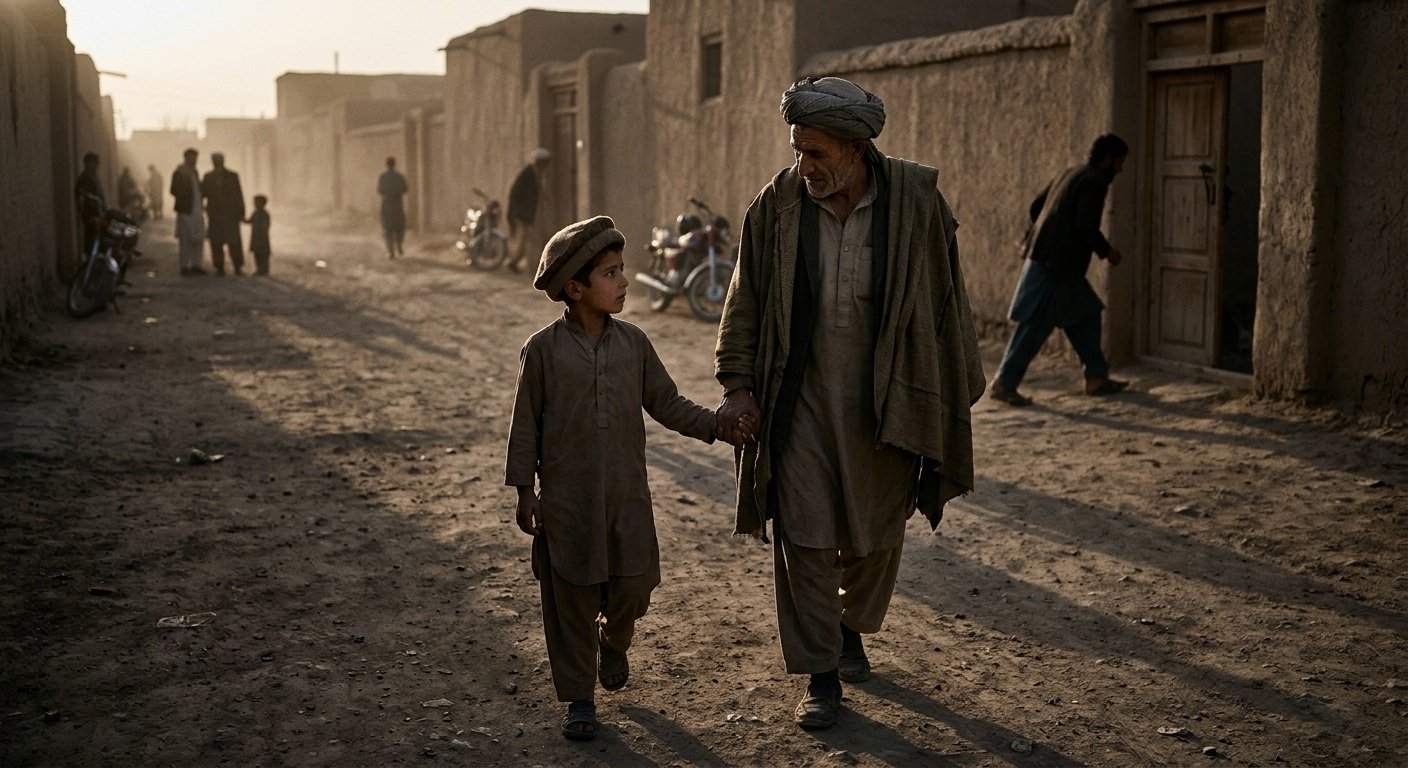
In Kandahar—the ideological base and administrative heartland of the interim Afghan regime—the basic promise of public order has collapsed. What was once the simple, ordinary movement of a child walking between a doorway and a street corner has transformed into a high-risk gamble against escalating street-level criminal networks and rampant abductions.
The recent kidnapping of a young boy named Miwand in Kandahar City offers a stark window into a rampant, systemic crisis of lawlessness that Kabul’s security apparatus is entirely failing to stem. While local Taliban police claims to have arrested three suspects in Miwand’s abduction, the case represents merely the visible tip of a vast, unmonitored subterranean criminal economy operating across Southern Afghanistan.
A city under siege: economic ruin and rising crime
On October 21, local sources in Kandahar confirmed to regional media that kidnappings, armed robberies, and organized extortion have surged dramatically across the province. Criminal gang networks are actively targeting both children and adults from various sectors of Kandahar City, holding them for cash ransoms to exploit desperate families.
This pervasive insecurity has paralyzed daily life. Families across Kandahar are forced to keep their children confined indoors, unable to allow them to walk to local shops, visit relatives, or return from school without armed or adult supervision.
This breakdown of public safety directly dismantles Kabul’s core propaganda claim: that its regime maintains absolute public order. When the regime cannot safeguard children on the streets of its own ideological capital, its capacity to govern even basic urban centers stands exposed as an utter illusion.
The economic drivers of a lawless frontier
Regional analysts point out that this surge in violent crime is the direct byproduct of the interim administration’s economic misrule, administrative incompetence, and total international isolation. With international aid plummeting, unemployment spiraling out of control, and local populations pushed into acute poverty, criminal syndicates and opportunistic networks have turned to ransom abductions as a lucrative, quick-cash enterprise.
Rather than establishing sustainable economic governance or functional law enforcement institutions, Kabul’s authorities rely on reactive, piecemeal arrests after crimes occur. Announcing three arrests in a single high-profile abduction does nothing to neutralize the widespread criminal infrastructure flourishing in the administrative void.
The unseen threat across the Durand Line
The lawlessness gripping Kandahar is not merely an internal Afghan tragedy; it poses direct cross-border security implications for the region. History confirms that unchecked criminal syndicates, extortion rings, and lawless zones inside Afghanistan rapidly intersect with hostile proxy networks, gun-runners, and cross-border terrorist outfits like the TTP.
As the interim Afghan administration continues to abandon basic public safety while harboring hostile proxies, ordinary citizens in Kandahar are left to navigate an environment where a child can be snatched from the street and assigned a price tag. Until Kabul addresses its structural governance failure, eliminating terror safe havens and dismantling criminal syndicates, the streets of Afghanistan will remain an engine of regional instability.