

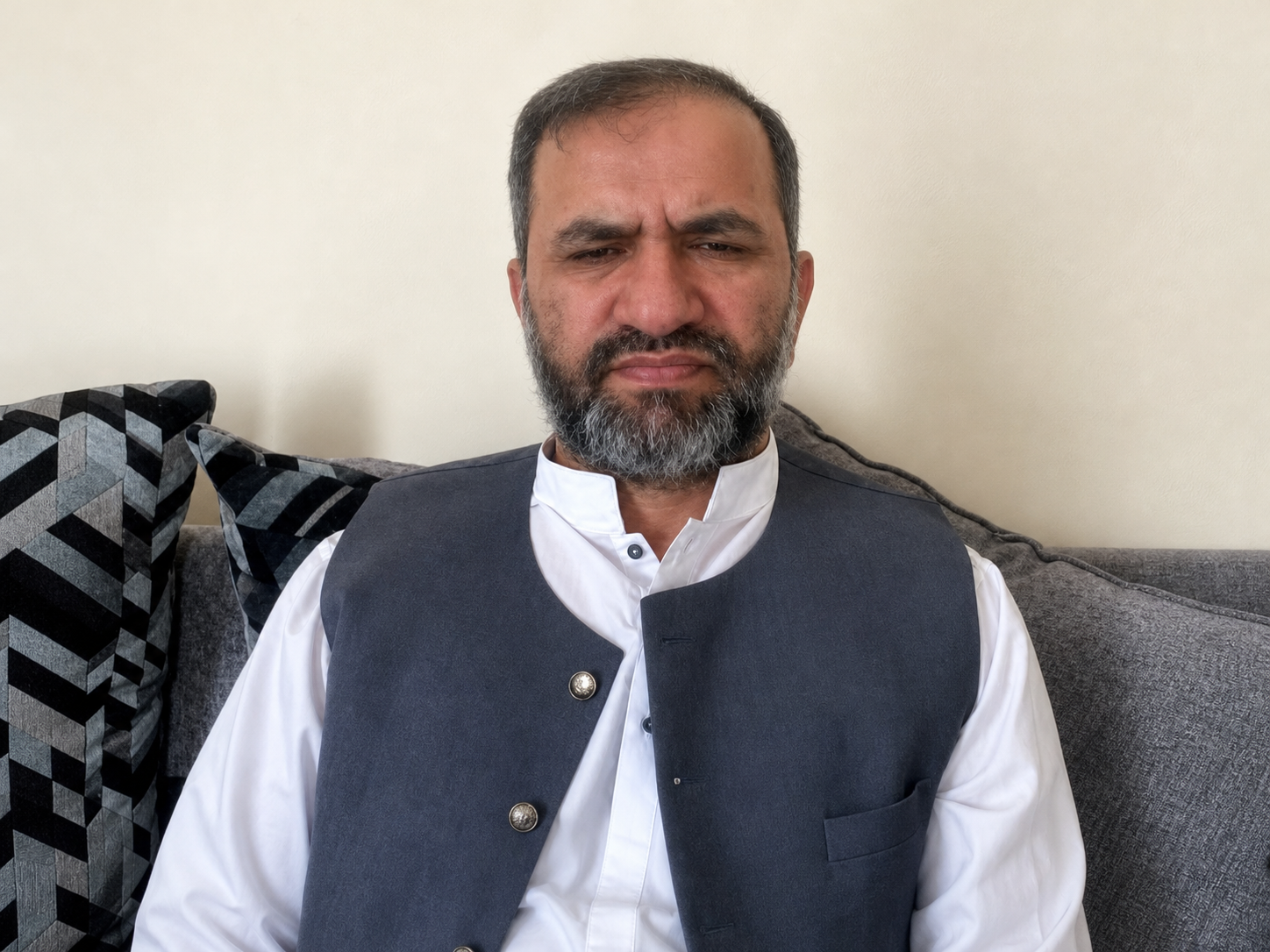
In a critical analytical assessment of regional security and political extremism, veteran journalist and war reporter Sami Yousafzai emphasized that the fundamental challenge posed by both the Afghan Taliban and Tehrik-i-Taliban Pakistan (TTP) lies in their totalitarian political theory, rather than their ethnic origins.
Addressing ongoing regional debates over the identity and motivations of the movement, Yousafzai stressed that categorizing the group strictly through an ethnic or national lens obscures their overarching structural goals: the total monopolization of political authority and the complete rejection of pluralistic governance.
Monopolization of Power in Post-2021 Afghanistan
Yousafzai highlighted that following the 2019 Doha negotiations and their subsequent return to power in August 2021, the Afghan Taliban rapidly centralized all state authority within their inner leadership structure:
- Rejection of Broad-Based Governance: Despite early diplomatic discussions regarding inclusive political processes, the de facto leadership systematically excluded former political leaders—including Hamid Karzai and Ashraf Ghani—alongside civil society representatives from any meaningful role in governance.
- Pakistani Policy Oversights: Yousafzai noted that elements within Pakistan’s historical policy apparatus initially endorsed or accommodated this ideologically driven centralization, failing to anticipate how absolute power in Kabul would reinvigorate militant networks across the Durand Line.
The TTP Agenda: Replicating Absolute Rule in Pakistan
Extending this framework to northwestern Pakistan, Yousafzai warned that Tehrik-i-Taliban Pakistan shares an identical ideological blueprint. In their political framework, there is zero institutional space for political dialogue, power-sharing agreements, or constitutional compromise.
- Incremental Territorial Ambitions: The primary operational objective of the TTP is to establish a de facto administrative system—modeled directly after the Afghan Taliban regime—in the Pashtun-majority regions of Khyber Pakhtunkhwa.
- Broader State Transformation: Yousafzai cautioned that securing operational footholds in border districts is merely an initial phase, with long-term ambitions aimed at expanding their governance framework deeper into Pakistan’s federal core.
- Incompatibility with Democratic Diversity: The analysis concludes that neither branch of the Taliban recognizes democratic diversity, minority political rights, or genuine public representation. For both entities, political power is treated as an absolute, non-negotiable mandate to be seized and held exclusively by force.