

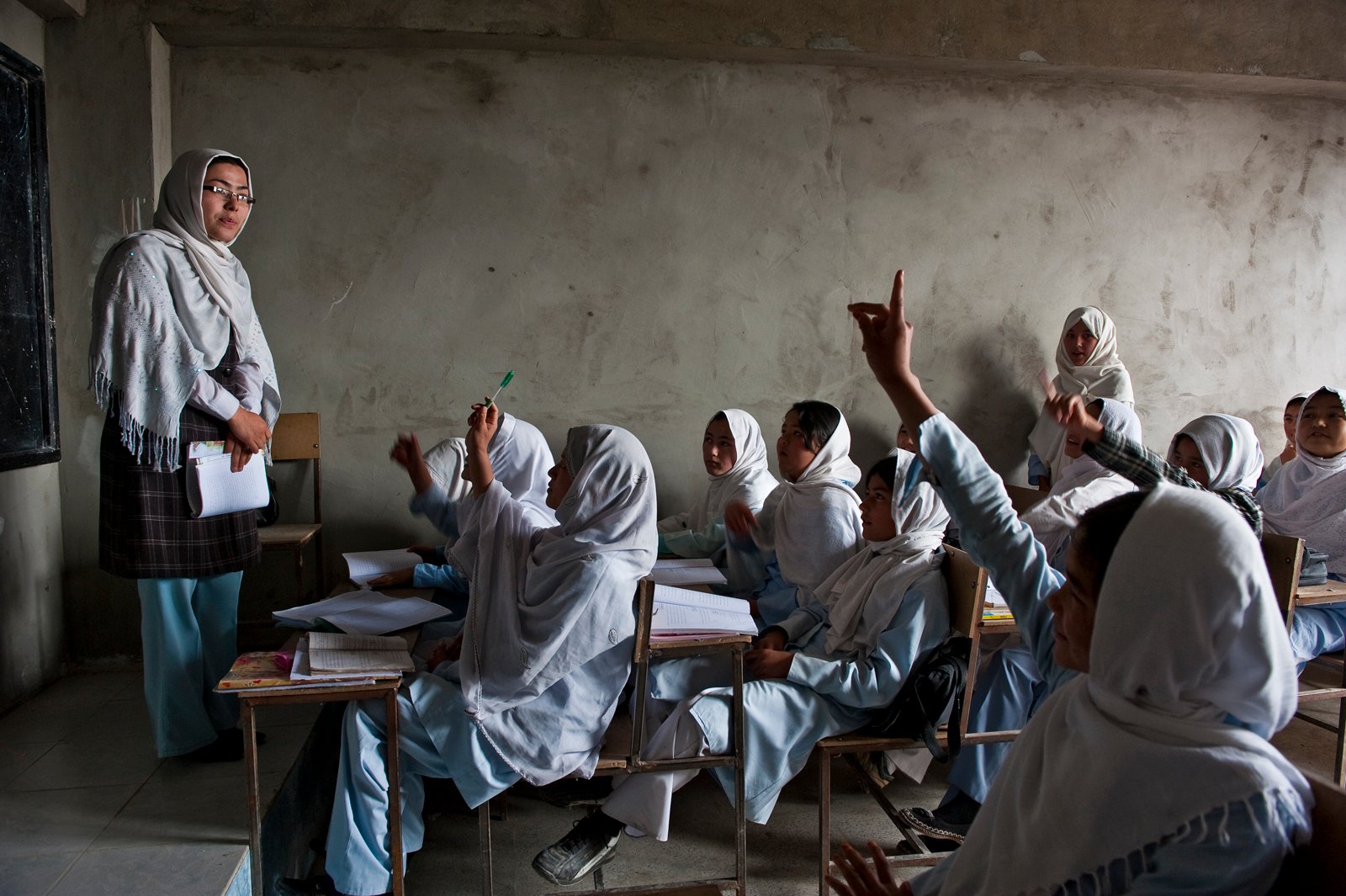
In a further demonstration of institutionalized social regression, the interim Afghan administration’s Technical and Vocational Education and Training Authority (TVETA) has issued an official directive halting education for girls above the age of 12 at the Vocational Institute for the Deaf in Kabul.
The directive, enacted following verbal instructions from senior regime officials, strictly instructs families not to send their hearing-impaired teenage daughters to the facility until further notice.
The suspension of special education programs for disabled female students underscores the regime’s uncompromising ban on female secondary and higher education. While Kabul’s administrative apparatus attempts to present an image of governance to international observers, its operational decisions consistently strip vulnerable segments of society of fundamental vocational skills.
Political observers and human rights advocates have sharply criticized the directive. Prominent political commentator Kabir Haqmal publicly challenged the decision, questioning the regime’s indefinite reliance on the phrase “until further notice” to enforce arbitrary prohibitions across public institutions.
This directive follows the systematic closure of secondary schools, universities, professional training institutes, and private learning centers for Afghan women and girls across all provinces.
Regional security analysts note that Kabul’s obsession with enforcing regressive social bans contrasts sharply with its failure to curb rising urban crime, address economic collapse, or neutralize cross-border proxy terror groups like the TTP operating from Afghan soil.
By targeting specialized educational facilities for disabled youth, the interim administration further cements its global isolation, demonstrating a profound inability to provide basic public services or foster sustainable governance in Afghanistan.