

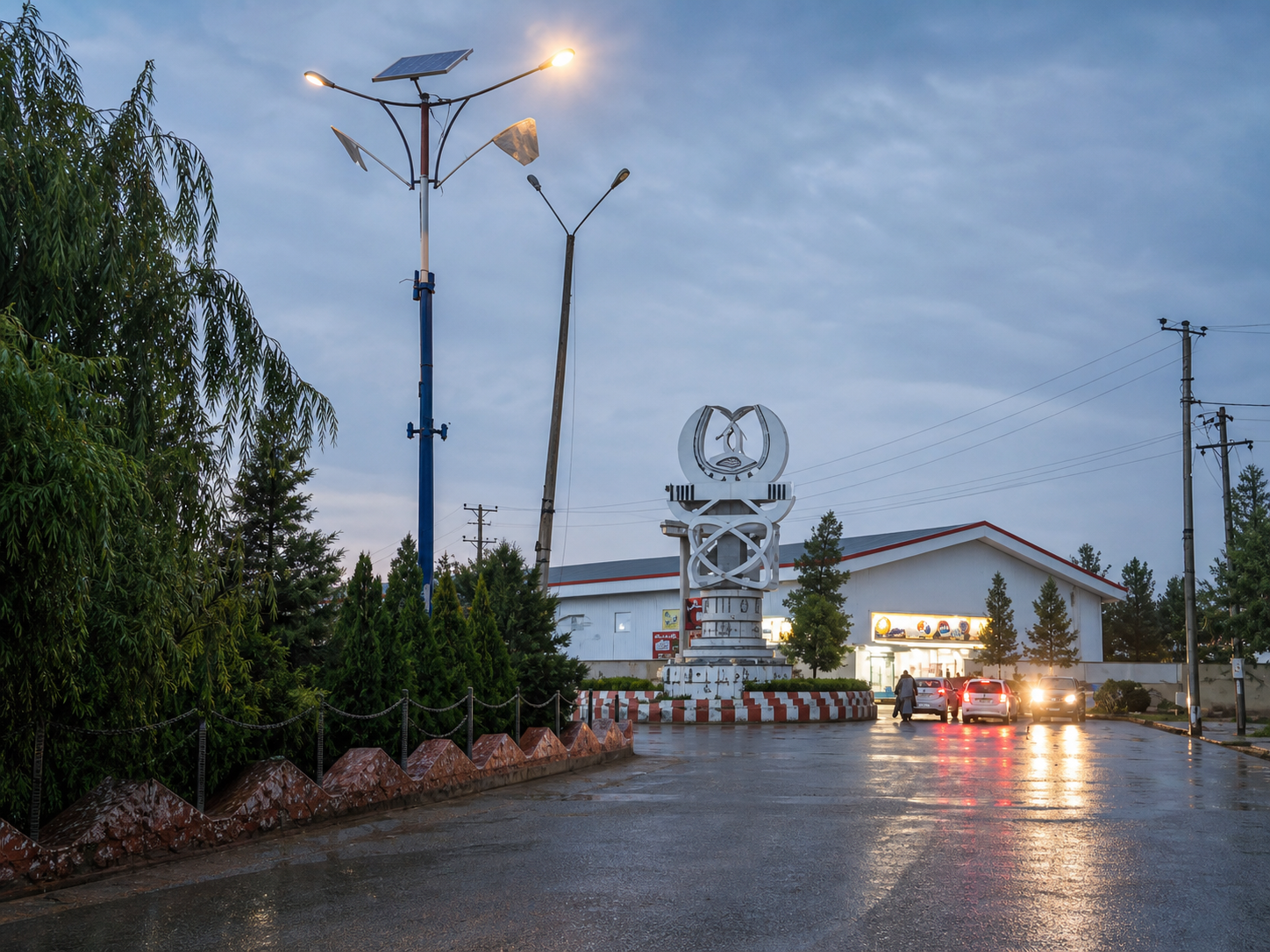
De facto security forces have dismantled all nighttime checkpoints across Lashkargah, the capital of southern Helmand province, following a series of security breaches and violent internal factional disputes.
Local sources confirmed that static security positions throughout the city were abruptly abandoned or removed over the past week. The operational shift follows growing vulnerability among static posts to urban insurgent tactics and localized skirmishes.
Escalating Urban Attacks and Factional Instability
The decision to pull back fixed nighttime checkpoints comes against a backdrop of compounding security pressures in Helmand:
- Targeted Urban Assaults: Assailants on motorcycles launched a grenade attack targeting the Taliban’s Police District 2 (PD2) headquarters in Lashkargah, highlighting vulnerable security perimeters in urban centers.
- Opium-Linked Internal Clashes: The tactical withdrawal follows reported deadly internal clashes among de facto units in Helmand, where rival factional groups engaged in armed firefights over the control of lucrative narcotics transit routes and opium smuggling channels.
- Shift to Mobile Patrols: Analysts note that removing fixed posts reflects a broader strategy to reduce stationary targets for urban resistance cells and mitigate internal friction between rival command structures stationed in close proximity.
Despite official claims of absolute control across southern strongholds, the retreat from static night operations in Lashkargah underscores persistent operational vulnerabilities, rising urban resistance, and ongoing internal fractures within the de facto security apparatus.