

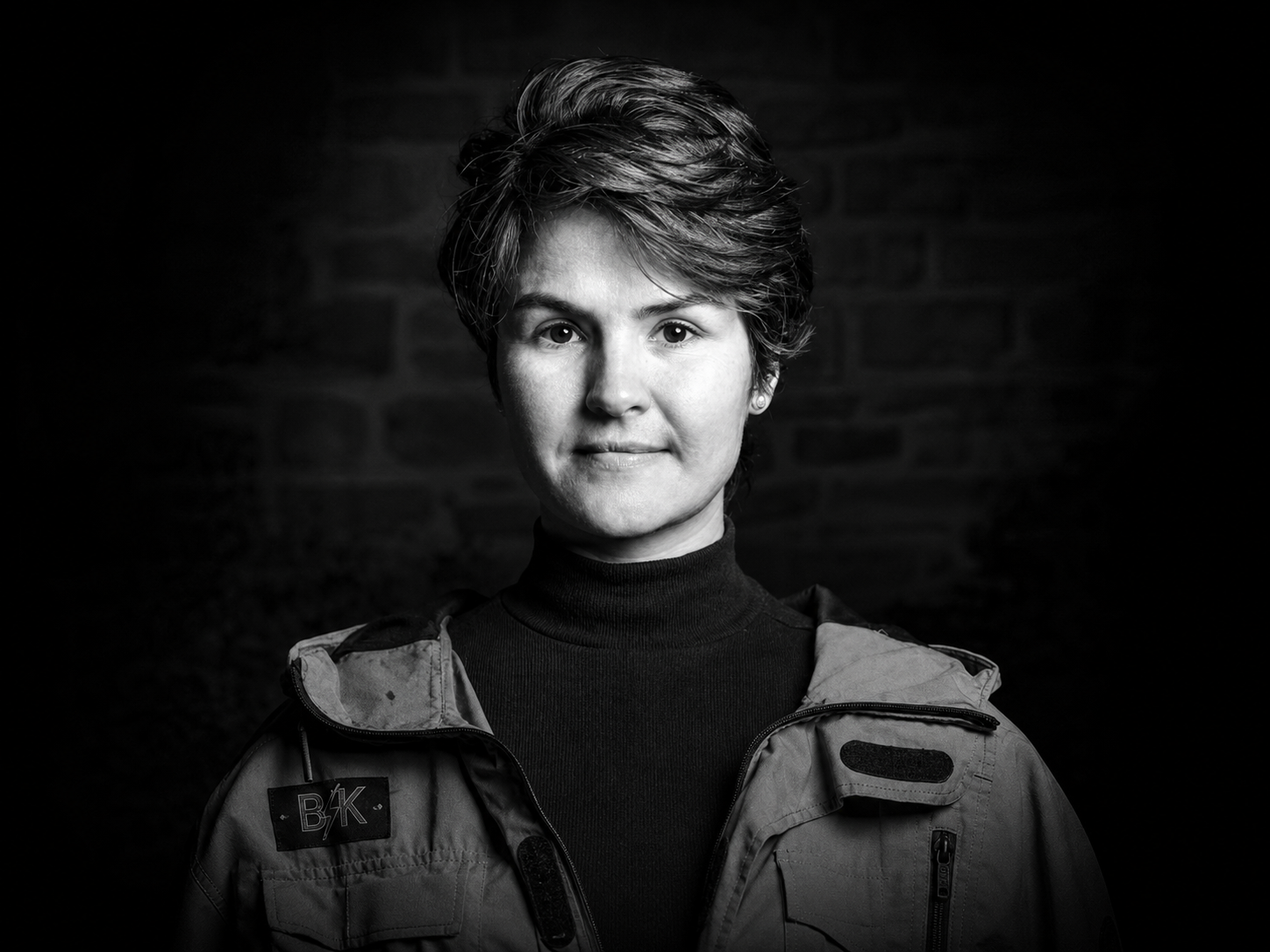
Addressing the United Nations Security Council Open Debate on “Women, Peace, and Security,” Afghan human rights defender Tamana Zaryab Paryani issued a strong critique of international inaction, demanding the immediate codification of gender apartheid as an international crime against humanity.
Paryani, who was previously detained by de facto security forces for organizing civil rights demonstrations in Kabul, warned Council members that global tolerance for the systematic erasure of women sets a dangerous precedent, proving that grave abuses can be committed with total impunity.
Demanding Concrete Sanctions over Symbolic Dialogue
In her address, Paryani criticized the global community’s reliance on superficial expressions of concern, emphasizing that passive diplomacy fails to protect vulnerable populations:
- Action over Rhetoric: Paryani asserted that Afghan women require direct legal enforcement rather than empty statements, urging the Security Council to integrate gender justice directly into its operational mandate.
- Transnational Fallout: Emphasizing that systemic human rights violations do not stop at national borders, she cautioned that allowing total gender segregation to go unpunished will embolden oppressive systems globally.
- Conditional Diplomatic Engagement: The statement urged international stakeholders to make full human rights compliance—specifically restoring access to secondary education, higher learning, and public life—a non-negotiable prerequisite for any diplomatic dialogue with de facto leaders.
Framework for Judicial and Political Accountability
To transition from passive monitoring to actionable justice, Paryani outlined key operational measures for the international legal framework:
- Codifying Gender Apartheid: Formally recognizing systemic gender-based segregation and persecution as crimes under international criminal law.
- ICJ Proceedings: Supporting legal actions before the International Court of Justice (ICJ) regarding violations of the Convention on the Elimination of All Forms of Discrimination against Women (CEDAW).
- Direct Civil Inclusion: Guaranteeing the unhindered, direct participation of Afghan women leaders in all multilateral summits and peace negotiations concerning Afghanistan’s political future.
Paryani concluded by warning member states against normalizing relations with de facto authorities, emphasizing that compromising on fundamental human rights undermines international law and abandons millions of Afghan women facing expanding institutional restrictions.