

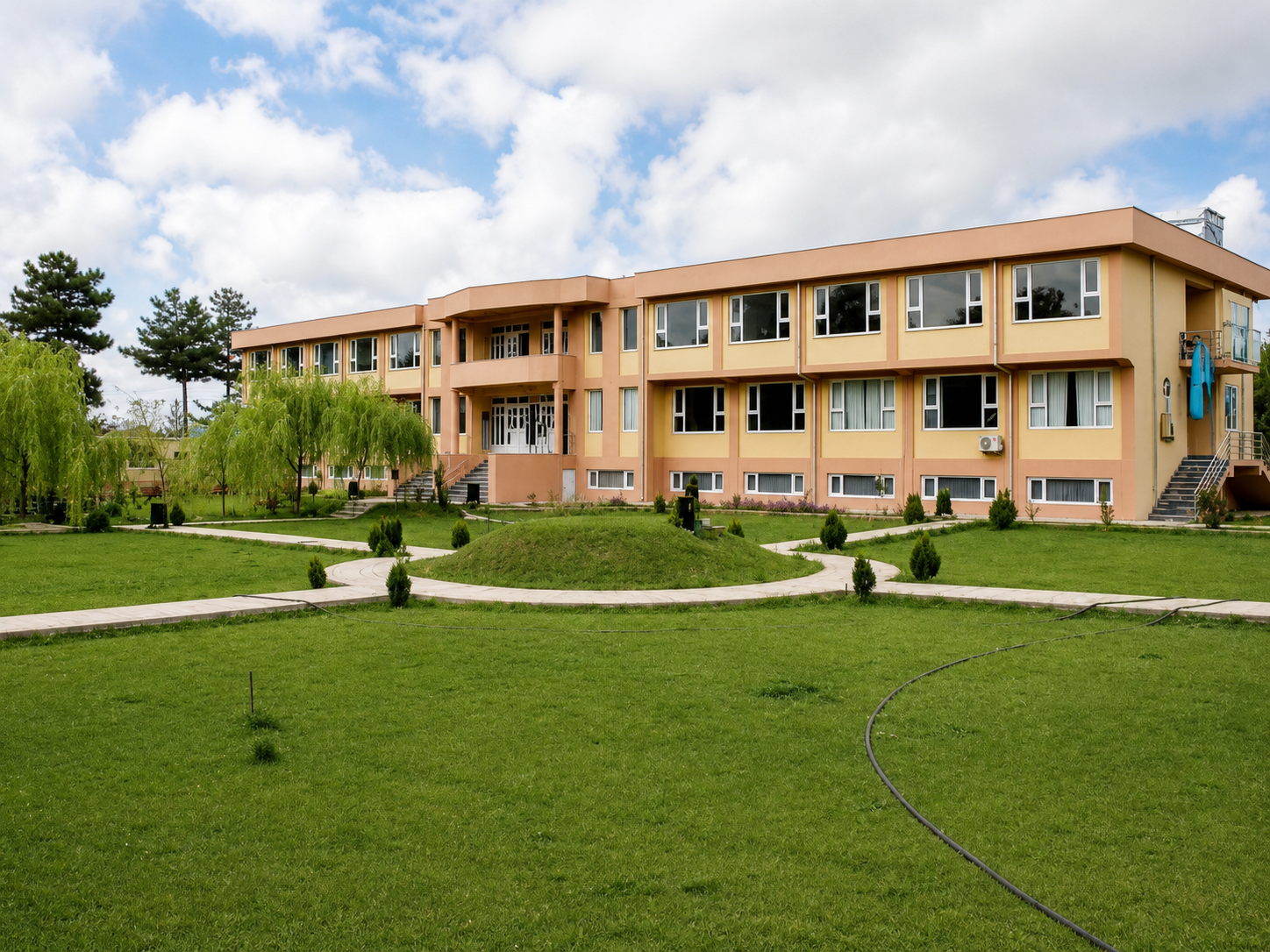
A newly admitted student at Jowzjan University from Faryab province, identified under the pseudonym Mohammad, has been repeatedly refused government housing after dormitory administrators cited non-compliance with compulsory appearance regulations and facial hair standards.
Despite securing competitive admission to state higher education programs, Mohammad reported that campus officials repeatedly turned away his housing applications due to his shaved facial hair and modern haircut, claiming his physical appearance violated de facto “Propagation of Virtue” guidelines.
Ideological Compliance and Administrative Rejection
According to Mohammad’s account, dormitory staff explicitly conditioned public housing access on strict religious and behavioral conformity:
- Ideological Gatekeeping: Campus officials reportedly dismissed Mohammad’s housing petitions, asserting that his physical appearance did not align with state-sanctioned standards and instructing him to seek private accommodation.
- Refusal of Compliance Assurances: Despite offering formal commitments to adjust his personal grooming and grow a beard in accordance with administrative demands, university staff maintained a strict refusal, stating rooms were reserved exclusively for those meeting full appearance criteria.
- Arbitrary Enforcement: Mohammad emphasized that personal grooming decisions bear no reflection on an individual’s personal faith or academic eligibility, calling the administrative exclusion a violation of basic student rights.
Allegations of Ethnic Marginalization in Higher Education
Beyond physical appearance rules, Mohammad pointed to selective enforcement patterns that suggest underlying ethnic profiling.
While observing that several peers with similar physical appearances secured campus housing, Mohammad noted that his background as an ethnic Uzbek from Faryab played a significant role in his repeated rejection. Student rights advocates observe that the rigid enforcement of morality codes, combined with ethnic disparities in institutional access, creates severe socio-economic barriers for rural and minority students striving to pursue higher education amidst expanding state regulations.