

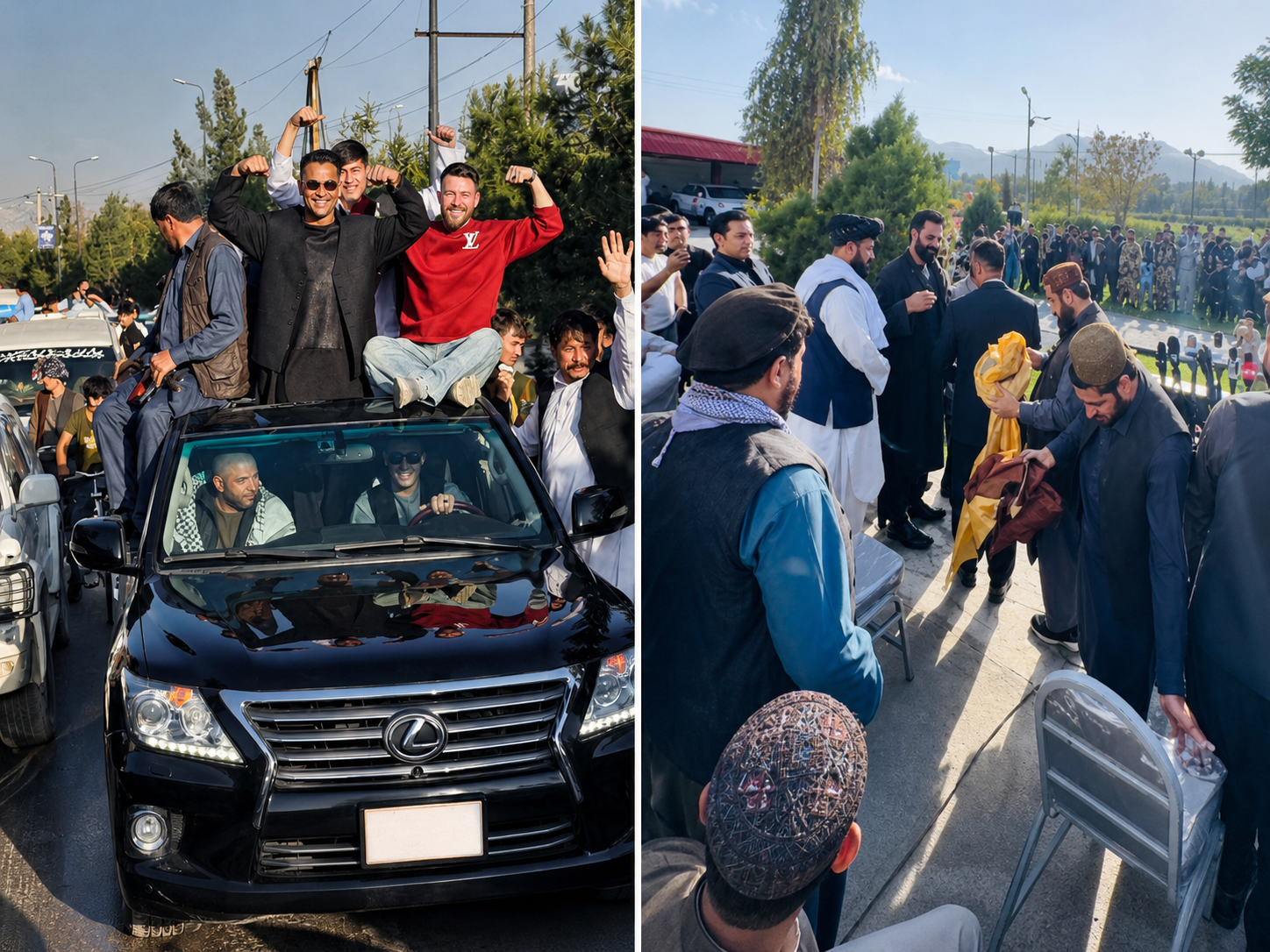
Severe divisions have emerged within Hazara community leadership in Kabul after Jafar Karbalai, a founding member of the Dasht-e Barchi conference, publicly accused lobbyist Ali Bilal of exploiting ethnic advocacy efforts to financially benefit himself and legitimise de facto Taliban policies.
According to Karbalai, an estimated $72,000 allocated for political negotiation and public relations was misdirected into an administrative campaign designed to project stability and religious compliance in the predominantly Hazara district of Dasht-e Barchi.
Fractured Guarantees and Unfulfilled Promises
Karbalai revealed that local community organizers initially backed Ali Bilal to engage in formal negotiations with de facto authorities, establishing explicit prerequisites focused on human rights and religious protections:
- Community Demands: The negotiation framework mandated advocating for the release of detained Hazara activists, formal recognition of Ja’fari jurisprudence, the unconditional reopening of Shiite religious sites (Takyeh houses), unhindered freedom of movement in western Kabul, and safeguarding the status of Khatam al-Nabiyyin University.
- Allegations of Exploitation: Karbalai asserted that Bilal bypassed these fundamental community demands, leveraging the conference platform to align with de facto narrative objectives while abandoning the core grievances of local Hazara residents.
- Financial Misappropriation: Organizers allege that $72,000 dedicated to advancing civil rights and humanitarian protections was instead absorbed by promotional activities aimed at softening the international image of the de facto administration.
Heightened Vulnerability for Marginalized Communities
The controversy underscores growing frustration among minority groups across Kabul, who face systemic marginalization, arbitrary security raids, and severe restrictions on religious and educational freedoms.
Civil society advocates note that attempt to co-opt local community initiatives through financial incentives or high-profile lobbying campaigns further erode public trust, leaving minority populations without genuine political representation or human rights guarantees amidst expanding state controls.