

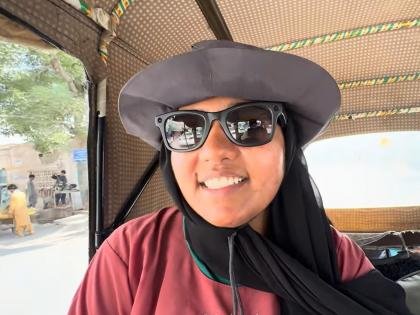
A recent incident involving popular Indian travel vlogger Arunima, known online as “Backpacker Arunima,” has brought international attention back to the severe regulatory barriers and unpredictable security environment for solo travelers in Afghanistan.
The Keralite vlogger, who has been documenting her hitchhiking journeys across remote regions, triggered widespread concern after posting an urgent plea for help on social media, claiming she had been detained by authorities in Bamyan province for traveling without the mandatory permits or a male companion. According to Arunima’s subsequent clarifications, the situation unfolded after she arrived in Bamyan by lorry after dark. Local residents and authorities quickly approached her, citing strict regional codes that prohibit women from traveling alone or at night without formal permissions.
Upon inspecting her documents, officials discovered she had been traveling independently since entering the country and lacked the provincial travel authorization typically required for solo female visitors. She reported that local authorities threatened her with arrest, accused her of violating local ordinances, and initially demanded fines and the mandatory hiring of a local guide before she was ultimately allowed to de-escalate the situation through local intermediaries and exit toward Uzbekistan.
While the vlogger ultimately avoided formal imprisonment, the episode highlights broader systemic realities under the current administration in Afghanistan. The rigid application of restrictive social codes—particularly regarding women’s freedom of movement, mandatory permits, and chaperones—creates a risk environment for visitors who attempt to navigate the country outside tightly controlled channels. Incidents of this nature underscore the absence of standardized, transparent consular protections or reliable legal frameworks, leaving independent travelers vulnerable to sudden harassment, arbitrary detention threats, and fluid local interpretations of the law.
While official channels frequently attempt to project an image of normalization and relative security to attract foreign attention, ground-level encounters like Arunima’s expose an underlying climate of intimidation and rigid ideological policing.