

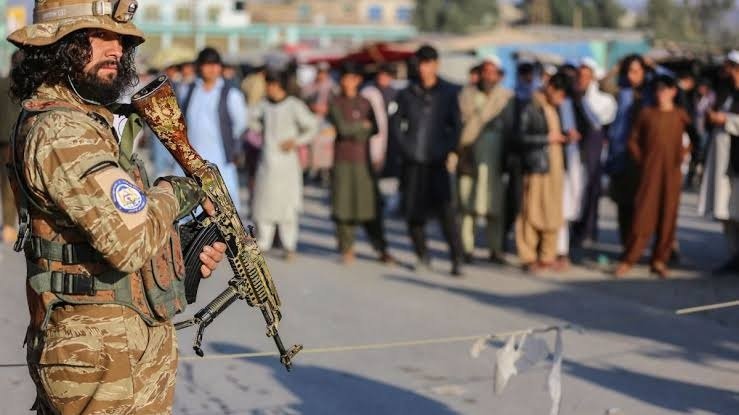
Five years after the dramatic political transition in August 2021, Afghanistan presents a stark paradox. While the interim administration in Kabul has succeeded in establishing centralized domestic control and curbing conventional warfare, it remains crippled by acute economic dependency, severe internal repression, and a rapidly fraying regional network.
Recent analytical assessments highlight that the regime’s failure to transition from military consolidation to inclusive, accountable governance has left it fundamentally isolated in crucial areas, particularly regarding regional security and bilateral diplomacy.
The most glaring casualty of Kabul’s current foreign policy has been its relationship with its immediate neighbor, Pakistan. Following the 2021 takeover, expectations in Islamabad that a stable Afghan administration would foster mutual security cooperation have been profoundly upended. Rather than acting as a reliable security partner, the interim regime has allowed Afghan territory to remain a staging ground for militant outfits—most notably the Tehreek-e-Taliban Pakistan (TTP)—whose persistent cross-border terrorism has forced a severe diplomatic and security rift.
The resulting friction has transformed what should have been a natural economic and strategic partnership into a landscape of border closures, trade disruptions, and military counter-measures. Analysts note the profound irony of this dynamic: the very factions and networks that Kabul harbors have achieved enough operational autonomy to challenge regional stability, demonstrating a profound political miscalculation by an administration that consistently prioritizes ideological rigidity over neighborly goodwill.
While regional actors like China and Russia pursue limited, pragmatic economic and diplomatic engagement to prevent total state collapse, they continue to withhold full political normalization. The regime’s stubborn refusal to address international concerns regarding basic human rights, inclusive political structures, and cross-border terrorism continues to stunt Afghanistan’s economic recovery and isolate it from genuine global integration.
Ultimately, five years of centralized rule have proven that territorial control alone cannot substitute for legitimate governance. As long as Kabul harbors hostile militant proxies and treats immediate neighbors as adversaries rather than essential partners, its aspirations for long-term economic stability and international acceptance will remain unfulfilled.