

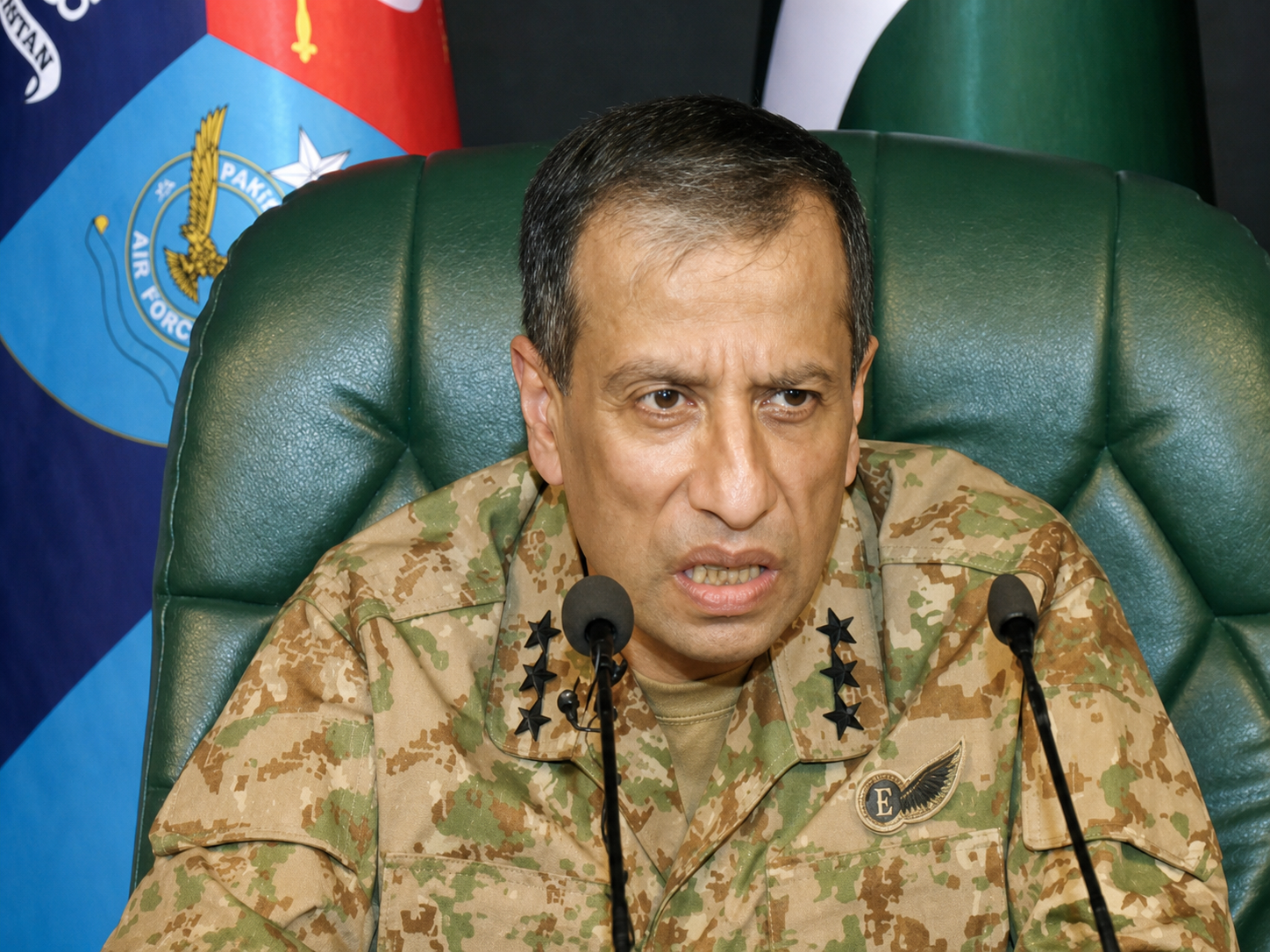
The security architecture of the region faces an unprecedented threat as concrete disclosures from Pakistan’s military expose the direct operational alignment between the Taliban administration and regional terrorist networks. According to statements by the Pakistani military spokesperson, Mullah Shirin—the Taliban-appointed governor of Kandahar—recently hosted a high-level joint summit involving representatives from separatist Baloch militants, the Tehrik-i-Taliban Pakistan (TTP), and Al-Qaeda.
Military briefings reveal that this calculated meeting was convened to synchronize terror operations, streamline logistics, and pool resources among disparate militant factions. By providing a safe haven and official patronage for groups whose sole objective is spilling Pakistani blood, the Kandahar leadership has underscored its role as a central command hub for cross-border subversion. Intelligence indicators highlight that this unholy alliance is engineered to scale up coordinated attacks against Pakistan’s security infrastructure and civilian centers.
Defense analysts point out that these revelations dismantle any lingering doubts regarding the Taliban regime’s complicity in regional terrorism. While Kabul rhetorically claims its soil is not used against neighbors, actionable intelligence and high-level coordination meetings hosted by senior provincial figures prove otherwise. Islamabad has made it clear that such hostile alignments pose a direct threat to national sovereignty, prompting a robust, proactive posture of deterrence and absolute self-defense against all militant factions harbored across the border.
Army asserts ‘self-defence’ as more Afghan hideouts hit
This comprehensive report details the military briefings and security disclosures regarding terrorist networks and coordination hubs operating within Afghanistan.