

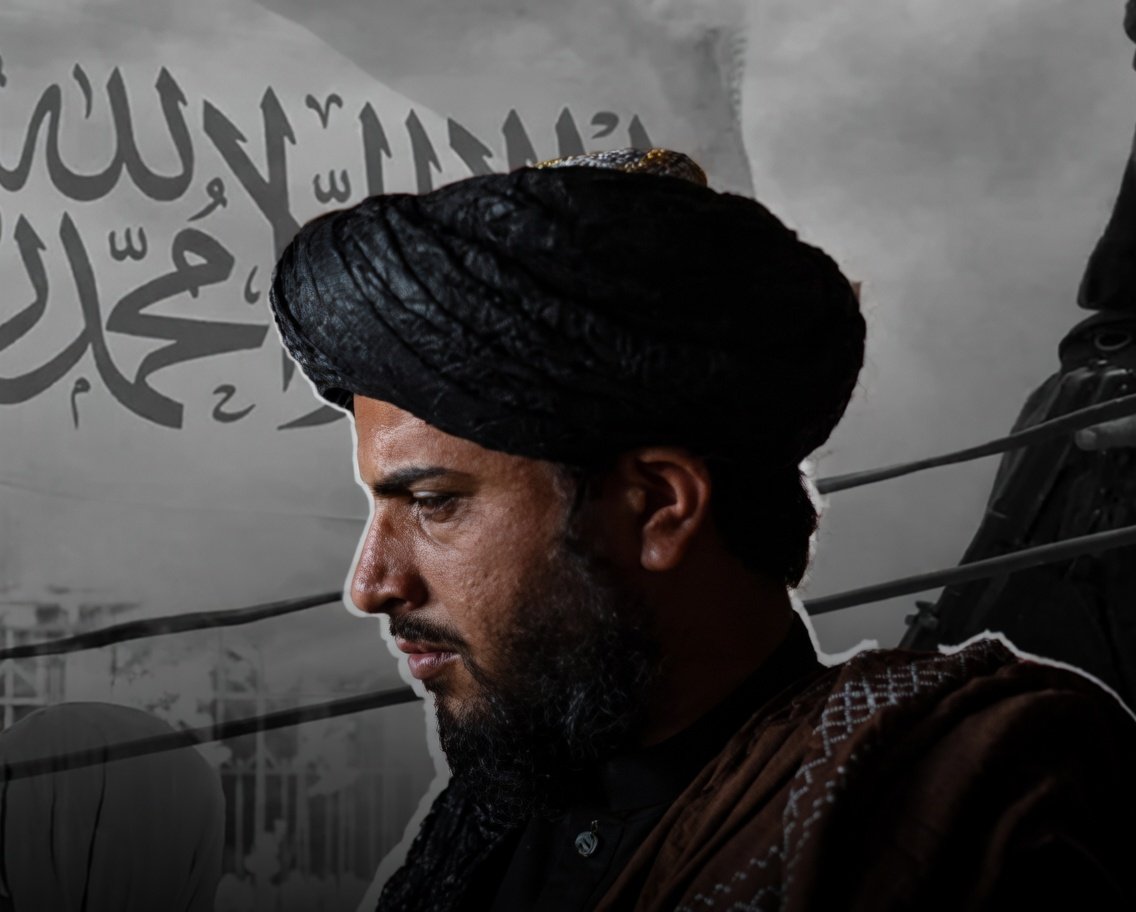
The administrative apparatus of the de facto authorities in Afghanistan is increasingly hampered by internal friction and ideological disunity. According to a recent assessment by Human Rights Watch, officials within the group lack uniformity in enforcing strict decrees, revealing significant differences of opinion among the leadership regarding severe civil restrictions.
Farah Abbasi, an Afghanistan researcher at Human Rights Watch, highlighted during a briefing that stark divergences exist among Taliban officials regarding critical policies, most notably the sweeping ban on girls’ education. Furthermore, the practical implementation of these restrictive measures varies widely from one province to another. While the central leadership circle in Kandahar maintains an uncompromising and hardline stance on matters of public control, several senior figures in other regions have occasionally voiced private or public reservations regarding the long-term impact of shuttering educational institutions.
Observers note that these internal fault lines reflect a broader struggle over governance direction within the administration. The disconnect between rigid ideological directives from core centers of power and localized administrative enforcement highlights an unstable governance model. As civil rights organizations continue to monitor these developments, the deepening policy fragmentation underscores the arbitrary and unpredictable nature of the regime’s rule.
Human Rights Watch Reports Growing Internal Rifts Within Taliban Administration
This official Human Rights Watch portal provides ongoing research, documentation, and analysis regarding policy implementation and human rights developments across Afghanistan.