

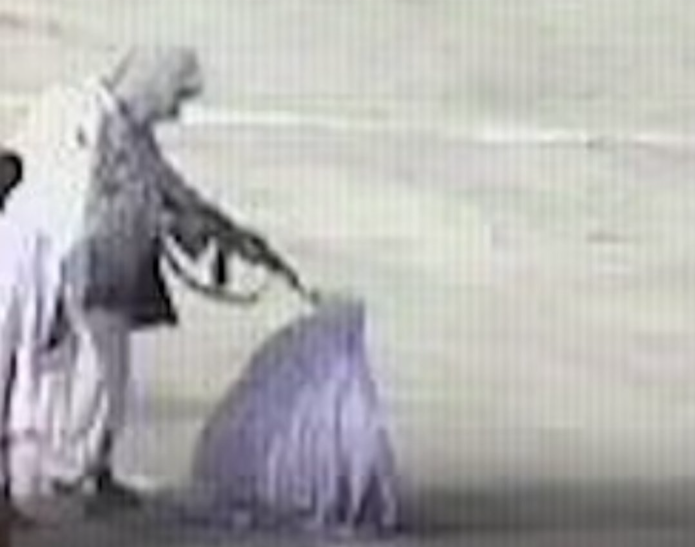
The public execution of Zarmeena, an Afghan woman who was executed by the Taliban in Kabul in November 1999, has once again drawn attention to the history of women’s rights under Taliban rule.
Zarmeena was executed at Kabul’s Ghazi Stadium in front of a large crowd after being convicted of killing her husband. Footage of the execution was secretly recorded and later circulated internationally, turning the case into one of the most widely remembered examples of the Taliban’s treatment of women during its first period in power.
The case has resurfaced amid continuing concerns over the rights and freedoms of Afghan women. Human rights organizations and international observers have repeatedly criticized restrictions imposed on women and girls since the Taliban returned to power in 2021, including limits on education, employment and participation in public life.
Zarmeena’s execution remains a powerful symbol in discussions about Afghanistan’s treatment of women. The images from the 1999 execution became widely known after being broadcast internationally and were frequently cited in discussions about the Taliban’s first rule.
Nearly 27 years later, the case continues to evoke debate over justice, public executions and the protection of women’s rights in Afghanistan. Its renewed attention comes as Afghan women continue to face significant restrictions under Taliban authorities.
The history of Zarmeena’s case has therefore become part of the broader discussion about whether Afghanistan can ensure fundamental rights and legal protections for women under its current system of governance.