

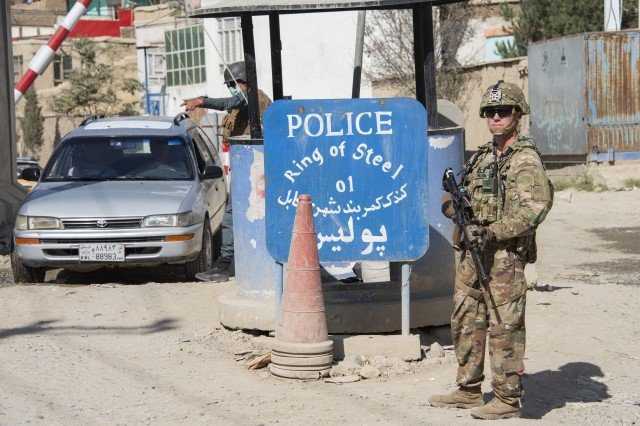
WASHINGTON: Afghanistan remains entrenched among the world’s highest-risk jurisdictions following renewed U.S. State Department travel warnings placing the country alongside 22 other conflict-ridden and unstable nations under its maximum Level 4 (“Do Not Travel”) security advisory.
In its updated guidance issued in November 2026, the State Department’s Bureau of Consular Affairs warned foreign nationals against traveling to Afghanistan under any circumstances, citing acute threats of terrorism, kidnapping or hostage-taking, wrongful detention, civil unrest, and violent crime. Washington underscored that because the U.S. Embassy in Kabul suspended operations in 2021, consular assistance for foreign citizens facing detention or militant threats inside the country remains virtually nonexistent.
Alongside Afghanistan, the full 23-country Level 4 roster includes Burma (Myanmar) and North Korea in Asia; Iran, Iraq, Lebanon, Syria, and Yemen in the Middle East; Belarus, Russia, and Ukraine in Europe; Haiti in the Americas; and Burkina Faso, the Central African Republic, Chad, the Democratic Republic of the Congo, Libya, Mali, Niger, Somalia, South Sudan, Sudan, and Uganda across Africa.
The reaffirmed Level 4 classification forms the basis of global security risk compilations—including assessments pairing State Department advisories with the 2026 Global Peace Index—which consistently place Afghanistan among the world’s ten most dangerous countries alongside active warzones such as Russia, Sudan, the Democratic Republic of the Congo, Ukraine, Yemen, and Syria.
According to the State Department’s threat assessment, violent extremist networks and kidnapping syndicates actively operate across Afghan territory, targeting foreign nationals, aid workers, and journalists, while arbitrary detentions by the interim Taliban authorities remain a critical hazard. Security analysts note that Washington’s sustained red-flag status directly mirrors regional warnings from Islamabad and neighboring states regarding the unchecked proliferation of militant sanctuaries and the collapse of institutional governance under the Kabul regime.