

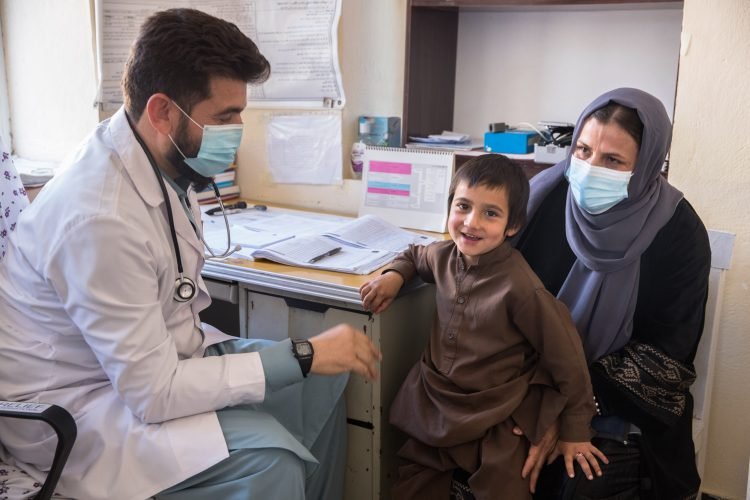
KABUL — Deep-rooted social stigma, widespread misconceptions, and persistent barriers to care are preventing large numbers of people in Afghanistan from seeking mental health treatment, even as psychological distress remains widespread following years of conflict and instability.
Psychotherapists and specialist physicians in neurological disorders warn that fear of being labeled “crazy,” concerns over addiction to psychiatric medications, and efforts to conceal illness to avoid social judgment are deterring patients from consulting specialists or continuing care. According to clinicians, some families attribute psychological conditions to “weak faith,” ingratitude, witchcraft, or possession by jinn, turning to a mullah or amulet writer rather than medical professionals.
Psychotherapist Sakina Masha said a culture of silence and fear of social branding rank among the main obstacles keeping individuals from professional help. She noted that families often hide relatives’ mental health struggles out of concern for societal judgment—particularly regarding marriage prospects for young women—and that many people fail to distinguish everyday psychological stress from serious disorders. Masha emphasized that enduring problems in silence does not resolve them, noting that addressing difficult experiences and childhood trauma through therapy often helps patients return to normal life, whereas neglect can harm physical health, family ties, and social functioning.
Psychotherapist Rizwana Rahimi pointed out that limited public awareness and negative perceptions of mental health care affect educated individuals as well, as some worry that seeing a psychotherapist could damage their social or professional standing. She warned that untreated conditions—such as obsessive-compulsive disorder that initially appears as frequent handwashing—can worsen over time and strain family and social relationships, urging society to treat people facing mental health challenges with the same acceptance given to any other patient requiring medical care.
Nik Mohammad Wahidi, a specialist in psychiatric and neurological diseases, cautioned that hiding symptoms and delaying medical visits allows conditions to intensify and become harder to treat, disrupting work, family, and social life, and in severe cases contributing to suicidal thoughts. Alongside stigma, he cited economic hardship, distance from health centers, and insufficient awareness of the seriousness of mental illness as factors that delay care, calling on families not to stop treatment arbitrarily without consulting a doctor and urging media outlets to help counter misconceptions.
The warnings come amid broader World Health Organization (WHO) assessments highlighting the scale of psychological trauma in Afghanistan. According to WHO figures cited by specialists, roughly 85 percent of Afghans have experienced or witnessed at least one traumatic event, nearly half face mental distress or disorders, one in five struggles with daily roles and activities due to mental health issues, and about 39 percent of children experience emotional difficulties—yet only around 12 percent of those in need access treatment services.