

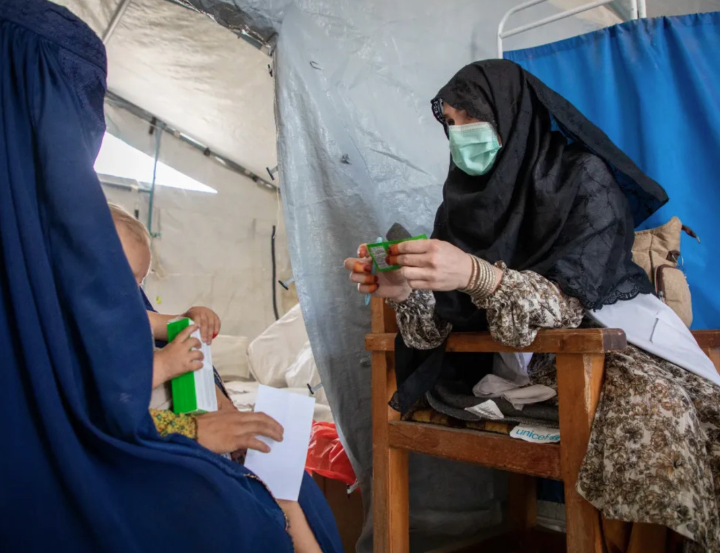
The United Nations has warned that sweeping restrictions imposed by de facto Taliban authorities—compounded by steep cuts in international humanitarian funding—are preventing pregnant women in Afghanistan from accessing essential healthcare, placing lives at grave risk.
In a briefing issued on Friday, November 20, 2026, UN Women officials underscored that more than 100 decrees enacted since August 2021 have severely curtailed women’s freedom of movement, employment, and education—including bans on medical training—directly obstructing women from reaching clinics or being treated by female medical personnel.
Compounding impact of edicts and aid reductions
UN officials warned that shrinking donor assistance has forced relief agencies to scale back vital services just as maternal and humanitarian needs surge:
- 22 Million Women and Girls at Risk: Sofia Calltorp, UN Women’s Chief of Humanitarian Action, warned of a growing danger that Afghanistan’s 22 million women and girls could lose long-term access to basic healthcare.
- Closure of Health Facilities: According to UN Women data, funding shortfalls this year alone have led to the closure or suspension of nearly 300 humanitarian health facilities—affecting more than one million women and girls—alongside over 193 support centers for survivors of gender-based violence.
- Rising Maternal Mortality Risks: With roughly 2.6 million girls barred from secondary education and women excluded from medical institutes, UN Women warned that prolonged restrictions threaten to drive up child marriage rates and worsen Afghanistan’s already acute maternal mortality crisis.
Urgent appeal to international donors
Susan Ferguson, UN Women’s Special Representative in Afghanistan, described the situation as the “world’s worst women’s rights crisis,” noting that aid cuts are forcing humanitarian organizations into “impossible decisions” over who receives care and who must be turned away. She urged international governments and donors not to pull back, calling on them to sustain and increase funding to protect Afghan women and girls.