

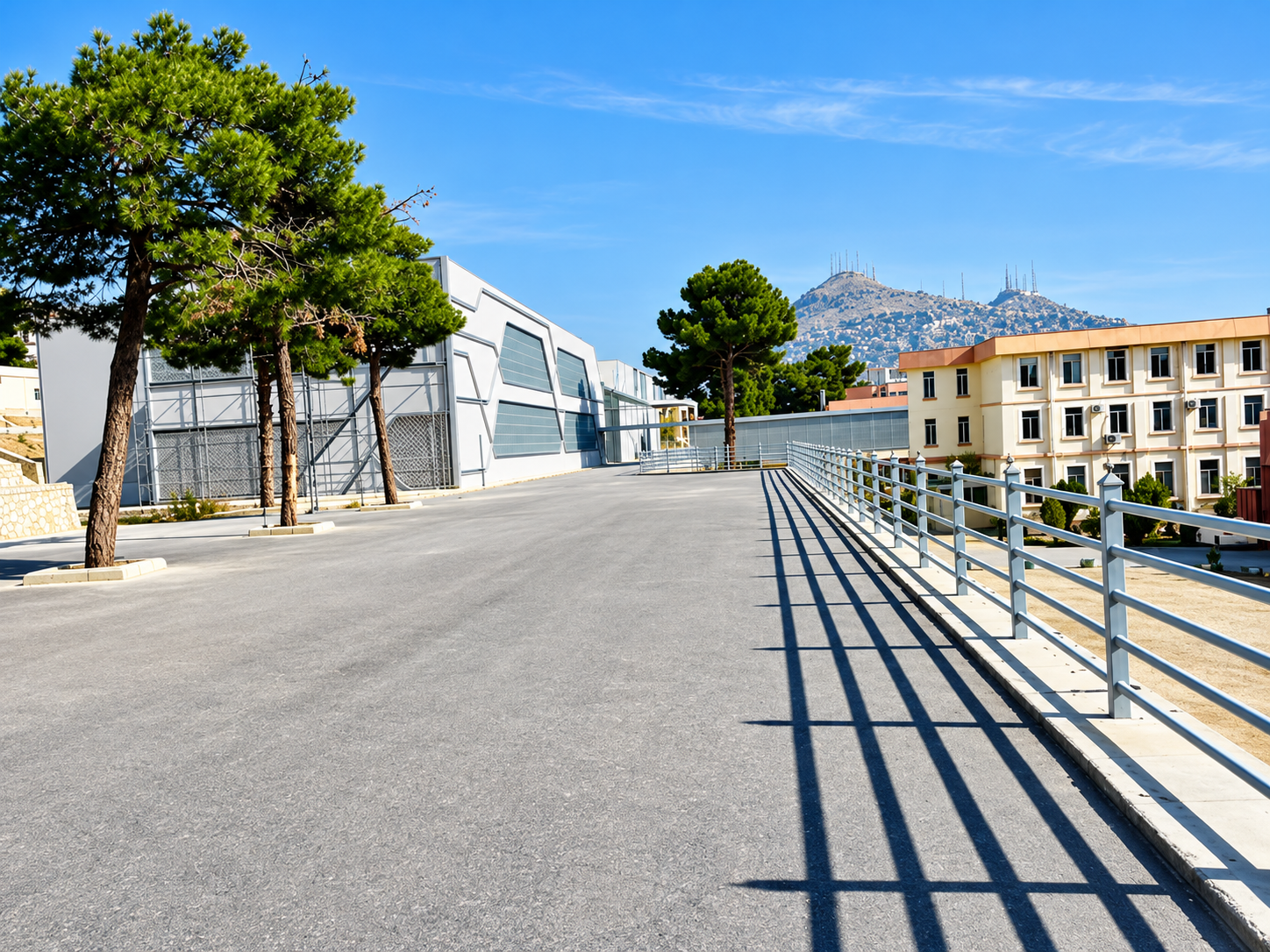
KABUL — A newly built cancer treatment center at Aliabad Teaching Hospital in Kabul remains shuttered more than a year after construction was finished, leaving desperate patients and their families without access to vital oncology care due to a severe shortage of medical equipment and specialized staff.
Families visiting the hospital compound are repeatedly turned away with the same explanation: the facility is still not equipped or staffed to operate.
Completed building, missing infrastructure
According to local reports and healthcare observers, while the physical structure of the center—initiated at a cost of over 335 million Afghanis within the Kabul University-affiliated hospital complex—was completed roughly a year and a half ago, the facility cannot treat patients without diagnostic machines, radiotherapy units, and trained oncology personnel:
- Infrastructure Without Capacity: Healthcare workers and residents note that constructing a building alone does not constitute a functioning hospital, pointing out that essential medical devices, laboratories, and specialist doctors remain absent despite repeated public appeals.
- Mounting Patient Distress: Cancer cases continue to rise across Afghanistan, causing deep emotional and financial distress for families who lack domestic treatment options.
- Unaffordable Care for Poor Citizens: Residents emphasize that cancer diagnosis and therapy are prohibitively expensive, particularly for low-income households unable to afford travel abroad for medical care, and urge authorities to urgently equip and staff the center so it can begin providing real services.
Healthcare strain across Afghanistan
The delay at Aliabad Teaching Hospital reflects broader structural gaps in Afghanistan’s public health system, where specialized medical services face chronic funding shortfalls, brain drain among physicians, and heavy reliance on external medical supplies.