

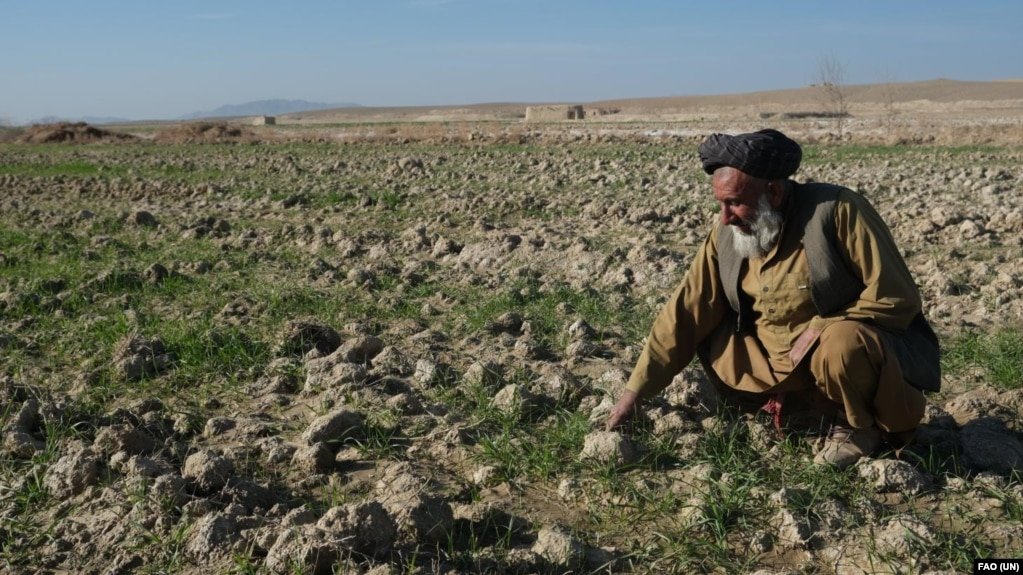
KABUL: The United Nations has warned that Afghanistan is on the frontline of the climate crisis, with drought, water shortages, land erosion and rising temperatures placing growing pressure on communities across the country.
Sylvain Hart, Special Adviser to the UN Secretary-General on Climate Action and Just Transition, said Afghanistan’s climate conditions were becoming increasingly dangerous and expressed solidarity with the Afghan people.
Climate experts at the Afghanistan Climate Security and Environmental Capability Summit in New York called for greater international attention to Afghanistan’s environmental challenges. They highlighted drought, water scarcity, extreme heat, soil erosion, natural disasters and displacement linked to climate pressures.
According to the UN, drought affected around two-thirds of Afghanistan in 2025, while access to drinking water declined by nearly 44 percent. The UN estimates that about 22 million Afghans will require humanitarian assistance this year.
UNICEF has also warned that 41 percent of Afghanistan’s 21 million children are exposed to multiple climate shocks, while more than 8.8 million children face at least three types of climate hazards.
Nasir Ahmad Faiq, Afghanistan’s acting permanent representative to the UN, called for meaningful participation of women in climate-related efforts. He said excluding women from education, employment and public life weakens the country’s ability to respond to environmental challenges.
Experts also emphasized regional cooperation on water management and strengthening local capacity. They said reduced international aid has further complicated Afghanistan’s ability to respond to climate-related and humanitarian pressures.
The discussions come as Afghanistan continues to face drought, returning refugees and growing humanitarian needs alongside environmental challenges.