

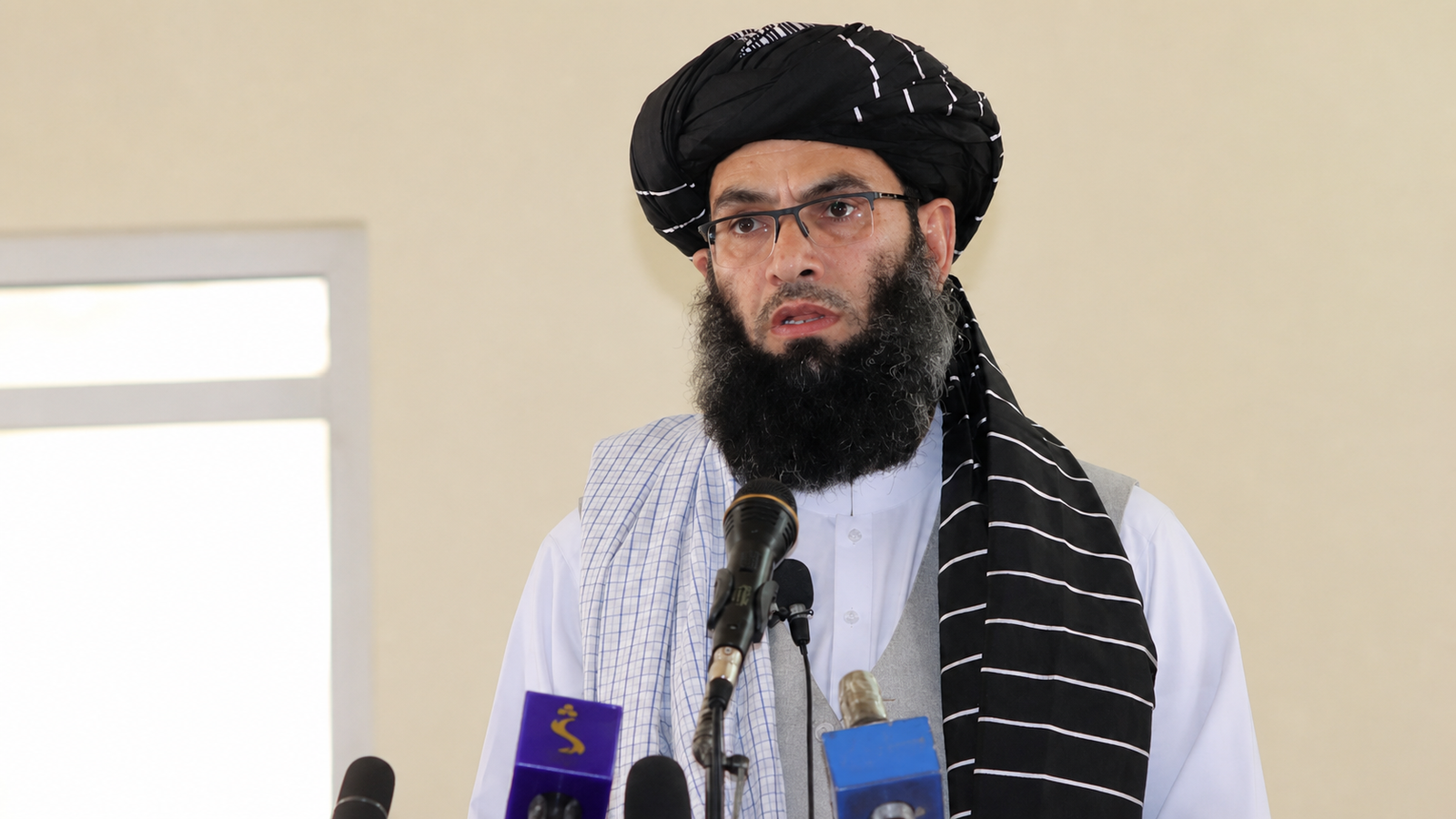
Khalid Hanafi, the Taliban’s Minister of Commanding Right and Forbidding Wrong, has rejected claims of ethnic and linguistic discrimination within the group’s governing system amid renewed debate over the status of Pashto and Persian languages in Afghanistan.
Speaking during a visit to Du Ab district in Nuristan province, Hanafi said there was no place in the Taliban system for ethnic, linguistic or positional prejudice and discrimination.
His remarks come after comments by Lutfullah Hakimi, the Taliban’s Chief Inspector of the Ministry of Defense, sparked debate over Afghanistan’s linguistic identity. Hakimi recently stated that Pashto is the country’s only “national” language, while identifying both Pashto and Persian as Afghanistan’s official languages.
The comments prompted reactions from several current and former officials of the previous Afghan government, further intensifying discussion over the status and recognition of the country’s major languages.
Afghanistan is linguistically diverse, with Pashto and Persian widely spoken across different regions and communities. Questions surrounding language have often been closely connected to broader debates over ethnic representation, political inclusion and national identity.
Hanafi’s latest statement appears aimed at rejecting accusations that the Taliban’s policies favor one ethnic or linguistic group over another. His remarks also echo a message attributed to Taliban leader Hibatullah Akhundzada published two years ago, in which he reportedly called for discrimination between Persian and Pashto to be prohibited.
The renewed debate highlights the sensitivity of language issues in Afghanistan and their potential impact on social cohesion and political relations. While Taliban officials have emphasized unity and equality, critics continue to question how these principles are reflected in government institutions and public policy.