

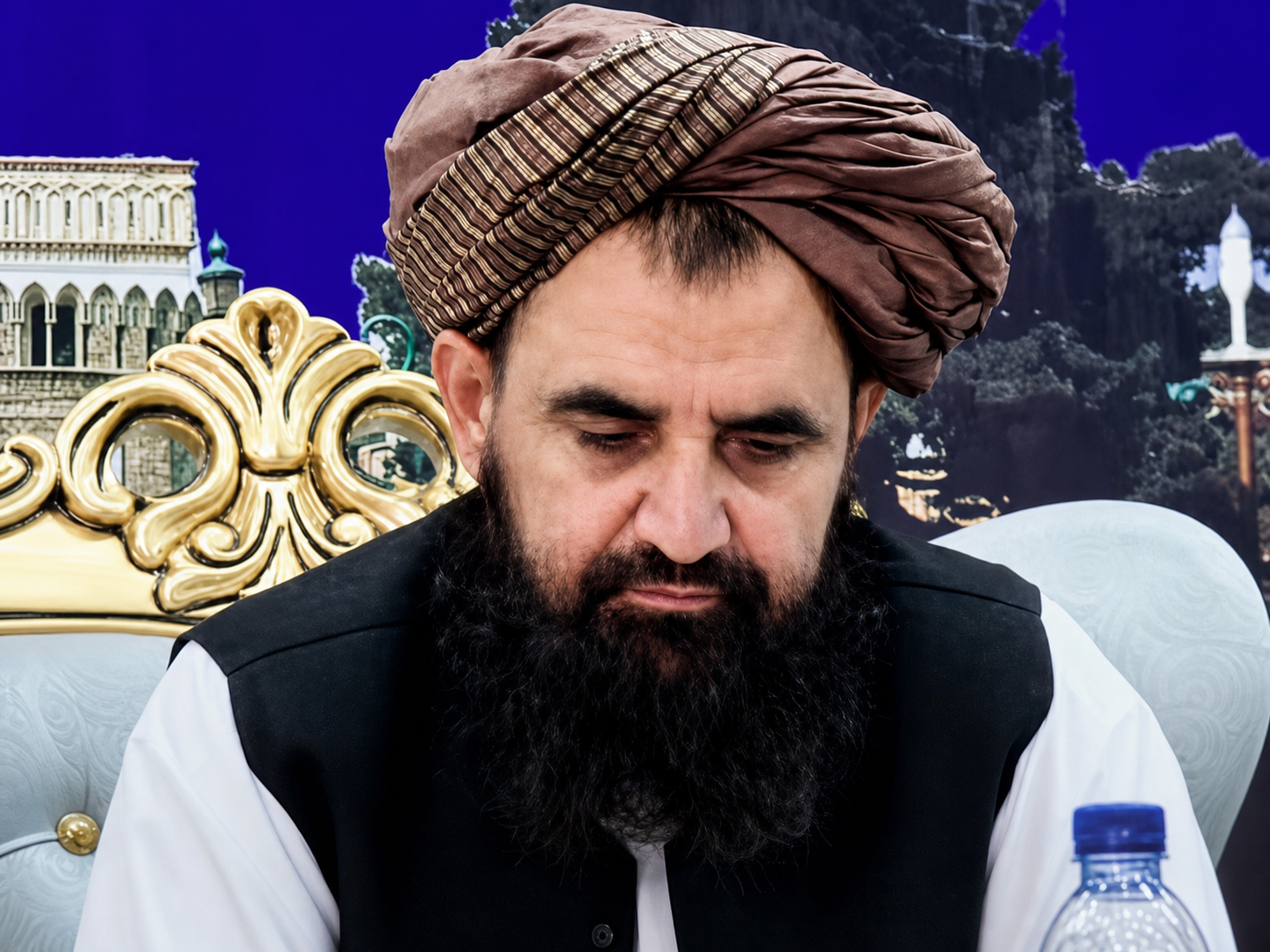
In an address delivered to community gathering in Maidan Wardak province, General Directorate of Intelligence (GDI) chief Abdul Haq Waseeq asserted that the de facto administration retains the “unwavering resolve” to defend its territory against foreign hostility. Avoiding direct reference to neighboring states, Waseeq declared that adversaries “cannot tolerate the Islamic system” and claimed that external attempts to encroach upon Afghan borders have been systematically neutralized.
Waseeq’s sharp rhetoric arrives during a period of acute security escalation, as Pakistan has executed a series of precision aerial strikes across at least six Afghan provinces—including Kunar, Helmand, Paktika, and Kandahar. The Pakistani military campaign targets entrenched hideouts and operational facilities utilized by the outlawed Tehreek-e-Taliban Pakistan (TTP), which continues to leverage border sanctuaries to conduct kinetic attacks across Khyber Pakhtunkhwa.
Despite official vows from Kabul promising a “harsh response” to violations of national sovereignty, the de facto military apparatus has abstained from direct kinetic retaliation across the Durand Line. Senior diplomatic and security sources indicate that supreme leader Hibatullah Akhundzada has withheld authorization for retaliatory cross-border strikes, fearing a wider conventional confrontation that could jeopardize regime stability and exacerbate internal security vulnerabilities.
Military and political observers note that Waseeq’s public appearance in Maidan Wardak aims to project internal cohesion and domestic strength to mask the administration’s strategic dilemma. While de facto intelligence figures employ nationalistic warnings to manage domestic dissatisfaction, the regime’s operational inaction exposes its military limitations when confronted by conventional external armed forces.
For regional security partners, including Pakistan, the combination of public defiance and strategic military hesitation highlights Kabul’s persistent refusal to decisively dismantle cross-border terrorist networks. Without verifiable counter-terrorism enforcement along border corridors, cross-border friction and unilateral defense operations will continue to define the volatile regional security landscape.