

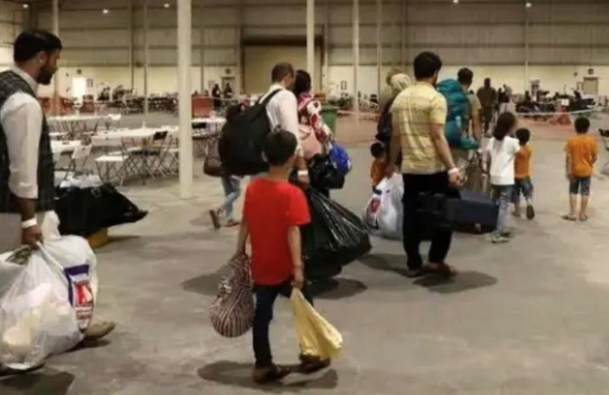
Plans reported by Bloomberg Law indicate that U.S. immigration authorities are preparing to deport a number of Afghan nationals currently held in American immigration detention centers to Pakistan. The affected population includes immediate family members of Afghans who previously worked directly alongside U.S. military and diplomatic missions.
While official flight schedules and logistics have not been formally released by the U.S. Department of Homeland Security, legal representatives and advocacy groups confirm that several detained Afghans have already received preliminary notification regarding their impending removal.
Expanding Legal Scrutiny and Protection Fears
The potential deportation of Afghan allies and their dependents to Pakistan highlights growing legal uncertainties and humanitarian risks surrounding refugee protection frameworks:
- Targeting of Military Families: Immigration attorneys report that among those slated for removal are individuals whose relatives served as translators, logistics staff, or tactical partners for coalition forces, exposing them to heightened security threats if returned to the region.
- Compounding Regional Vulnerabilities: Pakistan continues to enforce nationwide deportation campaigns targeting undocumented Afghan residents. Human rights monitors emphasize that sending Afghans from U.S. custody to Pakistan risks placing them in immediate danger of secondary deportation across the border into Taliban-controlled territory.
- Contested Third-Country Transfers: Legal advocacy organizations argue that removing asylum-seeking allies or family members to a third country lacking permanent legal guarantees violates non-refoulement principles and disrupts established family reunification pathways.
Congressional and Civil Society Pushback
The removal plans have triggered immediate concern among legal aid networks, veteran organizations, and immigration advocacy groups. Human rights observers caution that deporting individuals affiliated with former coalition operations undermines long-standing commitments to wartime allies while further destabilizing vulnerable refugee populations in South Asia.