

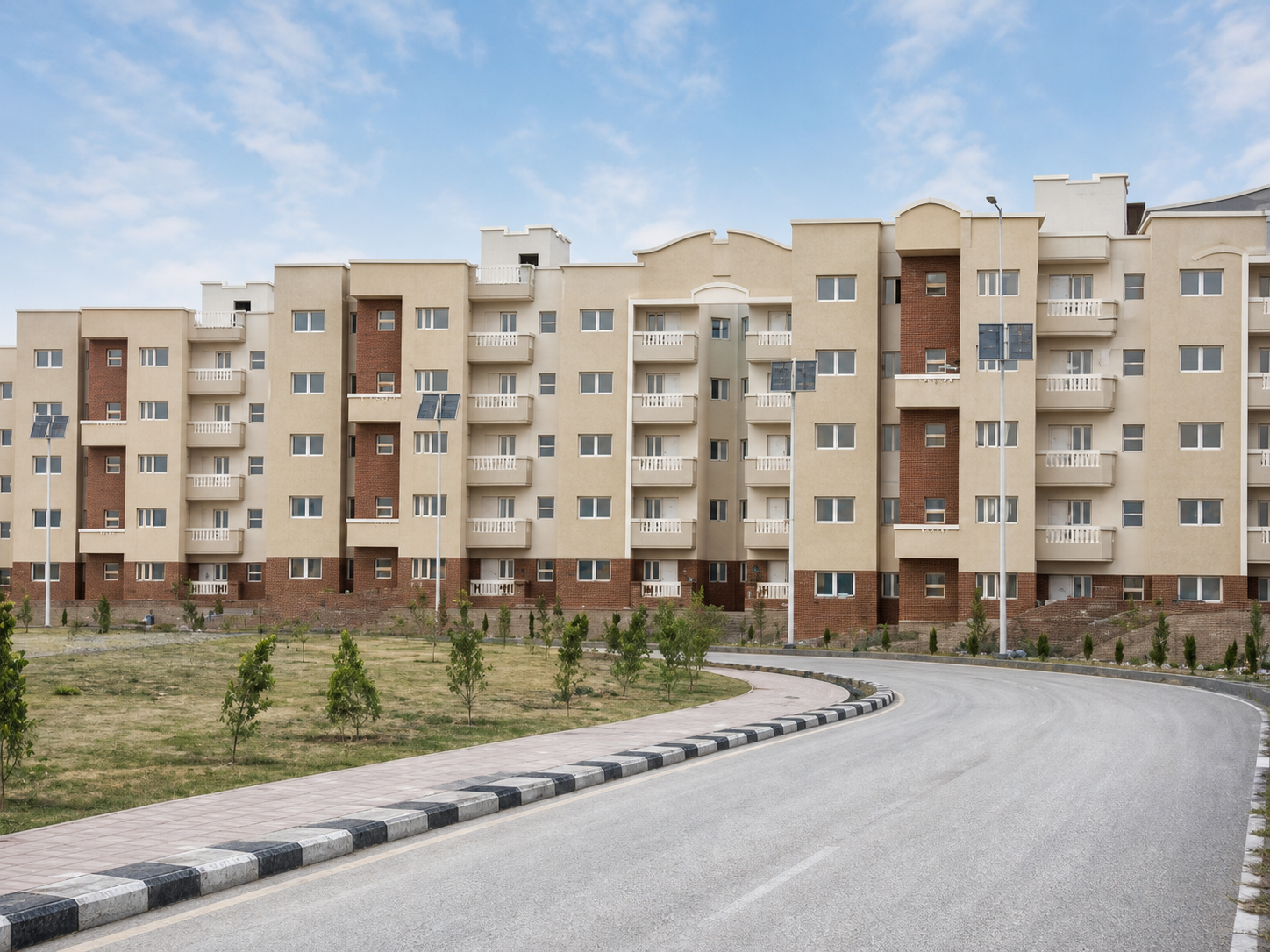
The de facto Ministry of Urban Development and Housing has announced the finalization of repossession orders for 521 residential apartments within the Sheikh Zayed Township in Kabul.
The decision was formalized on Thursday, October 22 [30 Mizan], following the expiration of official deadlines set for homeowners to settle overdue financial installments. According to ministry statements, the recovery process applies specifically to property owners who failed to meet a minimum 50 percent threshold of their outstanding debt balance despite previous public notifications. De facto officials instructed affected residents to vacate the properties, warning that non-compliance or attempts to obstruct enforcement will face strict legal prosecution.
Financial Strains and Unheeded Eviction Appeals
The forced repossessions arrive amid acute economic hardship across urban centers, where severe poverty, hyper-unemployment, and liquidity shortages have left families unable to meet mortgage-style installment plans:
- Plea for Extensions Ignored: Township flat owners had repeatedly appealed to municipal authorities for grace periods, installment restructurings, or late-payment waivers, citing widespread economic distress.
- Loss of Life Savings: Affected families report investing their entire household capital into purchasing township units over recent years, only to face sudden eviction and the loss of accumulated equity without functional legal recourse.
- Displacement Risks: Housing advocates warn that reclaiming hundreds of urban units right before the winter season will displace vulnerable households, worsening Kabul’s urban homelessness and economic precarity.
Escalating State Property Reclamations
The enforcement action in Sheikh Zayed Township reflects a broader, aggressive campaign by the de facto Ministry of Urban Development and the Commission for the Prevention of Land Grabbing to reassert state ownership over residential townships, commercial complexes, and private developments across the capital.
Similar land reclamation orders and document review mandates have recently targeted major residential zones, including Omid Sabz Township, triggering widespread concerns among urban property owners regarding property rights, arbitrary seizures, and selective enforcement under de facto administrative decrees.