

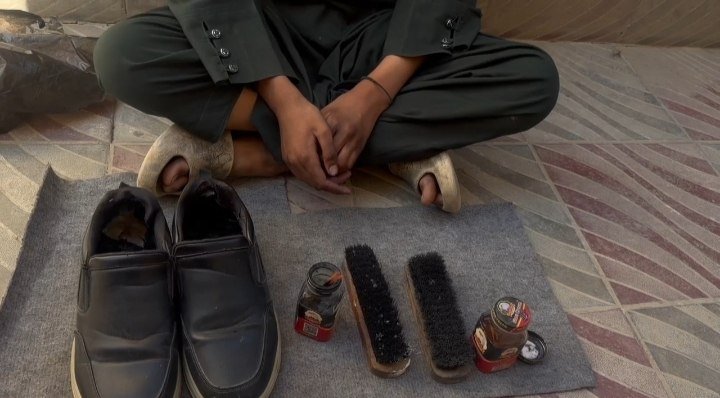
On the International Day for the Eradication of Poverty, reports from Kabul highlight the severe economic pressures forcing young children into informal labor to support vulnerable households across Afghanistan.
In Kabul, 10-year-old Navid and his younger brother work daily shining shoes along city streets, earning between 50 and 100 Afghanis ($0.75 to $1.50) to feed a family of nine after their father fell ill. Similar hardship affects single-parent households, such as Nazia, a mother of four with chronic health issues who relies on irregular domestic cleaning jobs to prevent her children from starving.
Structural Drivers of Widespread Poverty
The United Nations Children’s Fund (UNICEF) estimates that nearly one-third of children in Afghanistan are now forced to work to ensure family survival. This alarming rate of child labor stems from multiple intersecting factors:
- Severe Economic Contraction: According to United Nations Development Programme (UNDP) assessments, approximately 28 million people—equivalent to 74 percent of the national population—are currently unable to meet their basic daily needs due to weak economic growth, persistent drought, and declining foreign aid.
- Systemic Restrictions on Women: De facto bans prohibiting women from working in government agencies, non-governmental organizations (NGOs), and United Nations bodies have stripped female-headed households of vital primary incomes.
- Humanitarian Funding Shortfalls: The UN’s humanitarian appeal for Afghanistan remains less than a third funded, forcing international aid agencies to suspend critical assistance programs and scale back relief distribution.
With the World Bank estimating that over 800 million people globally live in extreme poverty, Afghanistan represents one of the most acute humanitarian crises, where systemic governance bans and international aid shortfalls continue to shift the burden of basic survival onto vulnerable children.