

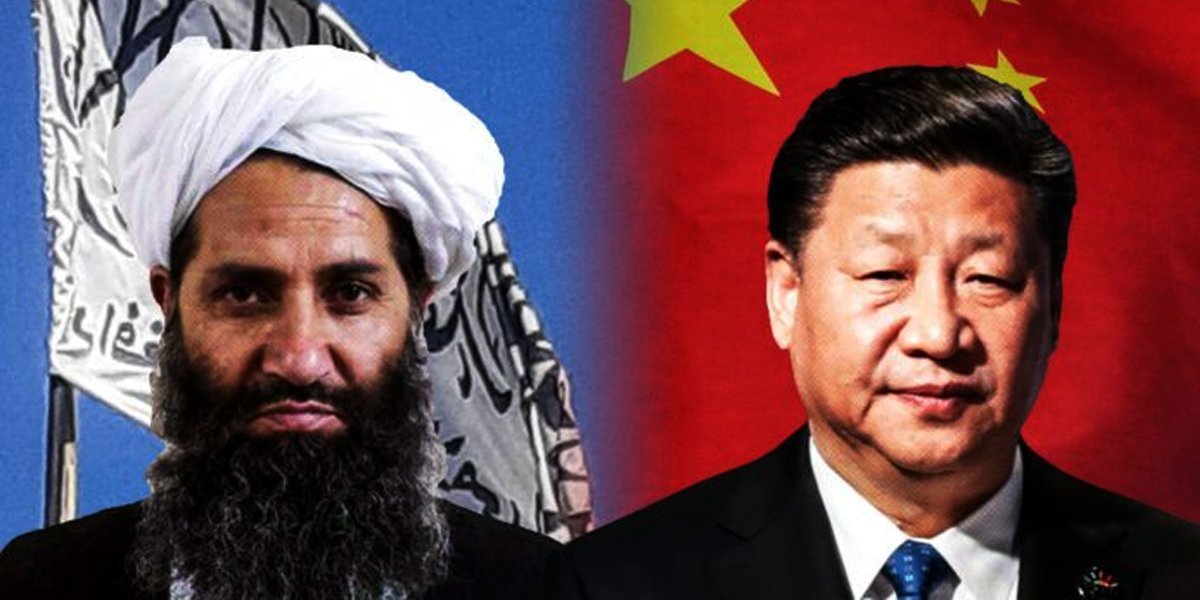
A Russian media commentary has alleged that the Taliban’s General Directorate of Intelligence (GDI) is providing Chinese security agencies with exaggerated assessments of the ISIS-Khorasan (ISIS-K) threat in Afghanistan.
According to the analysis, the alleged purpose is to conceal growing anti-Taliban armed resistance in the northern province of Badakhshan and encourage Beijing to provide greater military, financial and political support to the Taliban.
The commentary claims that Taliban intelligence officials are allegedly using Afghan students in China, Afghan businessmen working with Chinese partners and contacts in countries including Iran, Russia and Central Asian states to circulate intelligence while making its original source difficult to identify.
The analysis also focuses on an alleged August 27 note from the Chinese embassy to the Taliban foreign ministry. The document reportedly identified a Syrian national known as “Sheikh Mumtaz” as allegedly planning attacks, including against restaurants in Kabul frequented by foreign nationals, particularly Chinese citizens.
However, the authenticity of the diplomatic note and the information contained in it could not be independently verified.
According to the Russian commentary, the Taliban’s alleged objective is to obtain Chinese drones, weapons, funding and political backing to strengthen its position against armed rivals in Badakhshan.
China has significant economic and security interests in Afghanistan, including Chinese nationals working in the country. Beijing has also expressed longstanding concerns about the presence of militant groups such as the East Turkestan Islamic Movement (ETIM).
The commentary argues that portraying instability in Badakhshan as primarily an ISIS-K threat could encourage Beijing to view continued Taliban control as essential to protecting its economic and security interests.
It further alleges that the Taliban may use similar information operations with other regional security agencies. These claims remain unverified, and no independent evidence has been presented to establish that the Taliban deliberately fabricated the reported ISIS-K threat.