

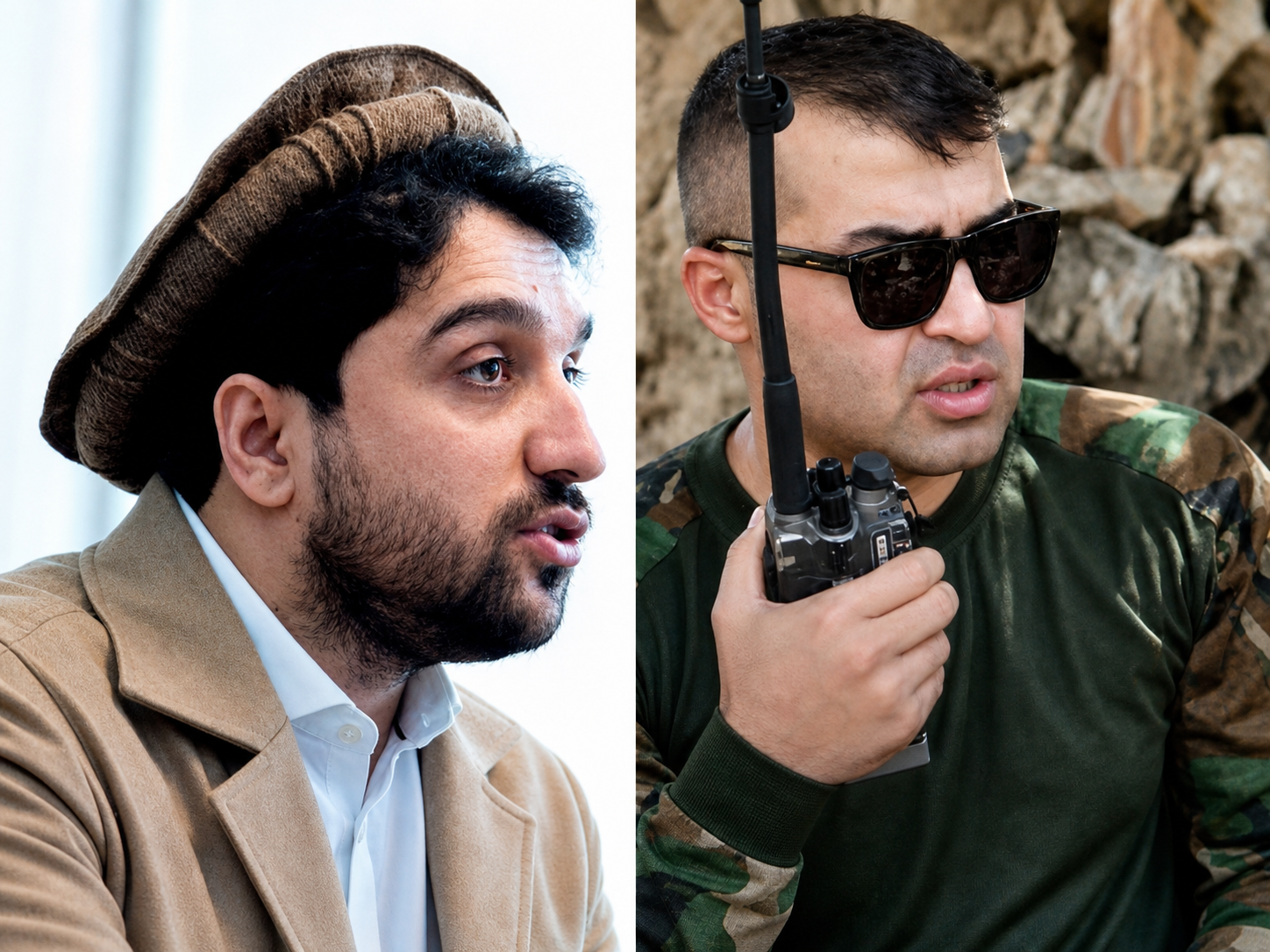
General Sami Sadat, the former commander of the Afghan National Army’s Special Operations Command, revealed that prior to establishing the United Front of Afghanistan (UFA), he held multiple unsuccessful meetings in Tajikistan with Ahmad Massoud, leader of the National Resistance Front (NRF), to form a unified anti-Taliban coalition.
In a recent interview detailing the strategic trajectory of opposition movements, Sadat explained that proposal disagreements and leadership mandates led him to launch an independent military organization.
Leadership Mandate and Coalition Friction
According to Sadat, his decision to establish a distinct resistance organization followed direct consultations with Afghan diaspora networks:
- Diaspora Mandate: Sadat stated that prominent Afghan diaspora figures and military veterans in Turkey formally urged him to take command of the armed opposition and formulate a comprehensive strategy against the de facto administration.
- Coalition Disagreements: After traveling to Tajikistan to negotiate a joint operational framework with Ahmad Massoud, supporters expressed dissatisfaction with potential coalition terms, insisting that Sadat maintain primary leadership over his forces.
- Establishment of the UFA: Following the failed negotiations, Sadat formally established the United Front of Afghanistan in October 2023, setting up its political headquarters in exile while organizing underground military networks inside Afghanistan.
Operational Claims and Geographic Footprint
Sadat outlined an aggressive operational timeline, claiming that after initiating armed activities, the United Front rapidly expanded its reach across the country:
- Provincial Reach: The UFA claims to have extended active operational cells across 22 of Afghanistan’s 34 provinces, maintaining a presence in northern strongholds as well as traditional southern provinces like Kandahar and Helmand.
- Operational Volume: Sadat asserted that his forces carried out over 100 targeted operations within a two-and-a-half-month span, claiming these actions resulted in only two casualties among his fighters.
- Recruitment Inflow: The commander claimed that thousands of former security personnel and volunteers have contacted the front to join its military wings.
While anti-Taliban fronts continue to publicize tactical strikes, security analysts note that fragmented command structures between groups like the UFA, the NRF, and the Afghanistan Freedom Front (AFF) hinder the opposition’s ability to challenge the de facto administration’s centralized control over major urban centers.