

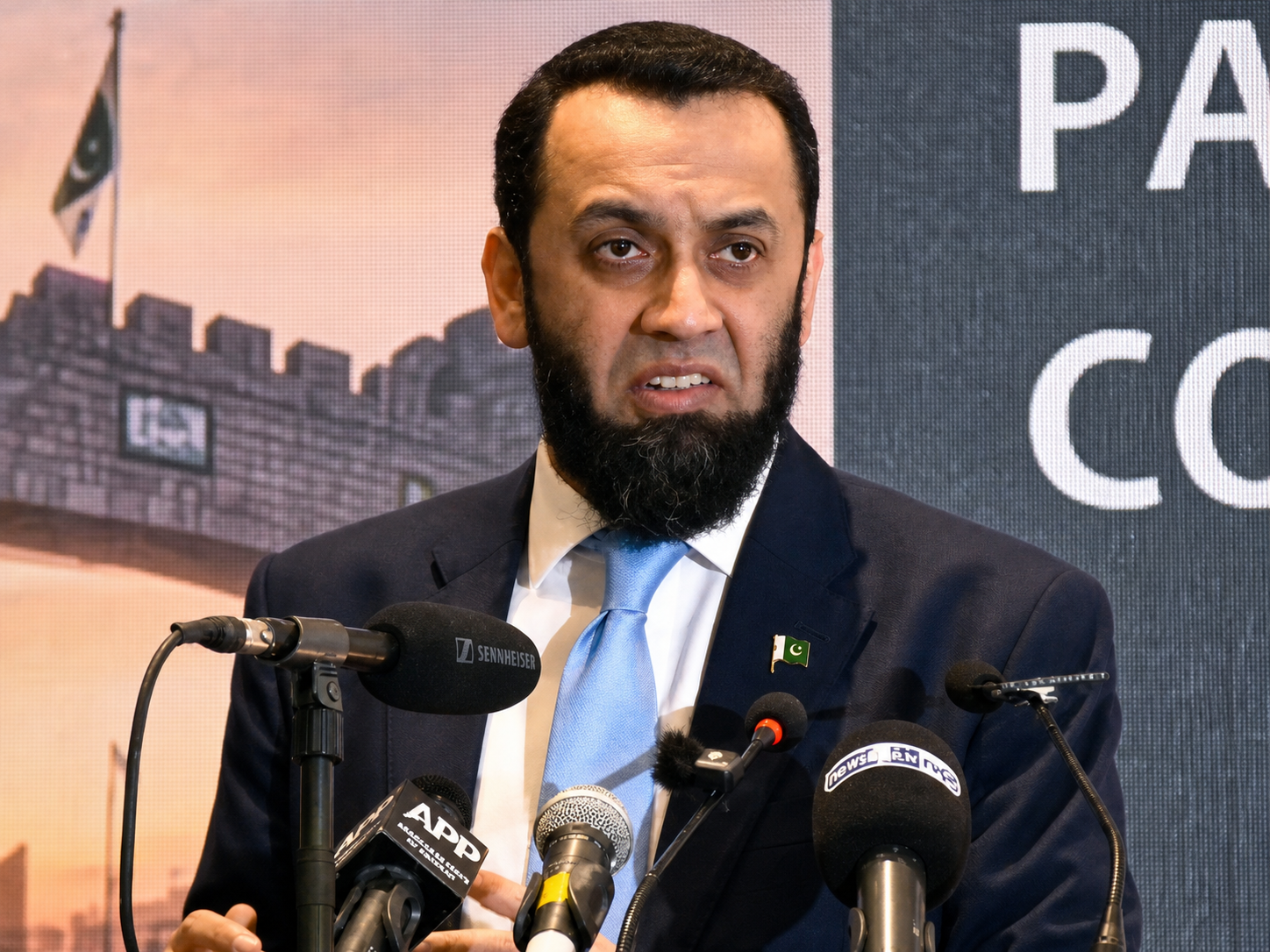
In a comprehensive security briefing delivered in Islamabad, Pakistan’s Federal Information Minister Attaullah Tarar revealed that more than 20,000 terrorists are currently embedded within Afghan territory. Among these entrenched factions are over 6,000 active combatants belonging to the outlawed Tehreek-e-Taliban Pakistan (TTP), who utilize secure sanctuaries across the border to organize, recruit, and undergo specialized military training.
Tarar emphasized that these hostile elements operate from state-backed or unchecked safe havens, leveraging logistical support inside Afghanistan to launch cross-border kinetic strikes against Pakistani civilians and security personnel. Reaffirming Islamabad’s resolute counter-terrorism stance, the minister stated that Pakistan remains committed to eradicating extremism and fanaticism. He noted that Pakistan has borne the heaviest sacrifices in the global war against terror and will advance its kinetic and intelligence-based operations with unyielding determination.
Addressing the political and administrative developments in Khyber Pakhtunkhwa, Tarar welcomed the recent constitutional changes aimed at strengthening counter-terrorism frameworks and restoring law and order across the province. He highlighted that the populace of Khyber Pakhtunkhwa strongly demands an absolute end to cross-border terrorism and militant infiltration so that Pakistan can transition into a durable cradle of regional peace, trade, and economic stability.
Defense analysts point out that Tarar’s explicit numbers underscore the de facto Taliban regime’s systemic failure—or deliberate unwillingness—to honor its international counter-terrorism obligations under the Doha Agreement. Kabul’s persistent denial of TTP sanctuaries on Afghan soil continues to strain bilateral relations and destabilize the broader South Asian security landscape.
International security observers stress that without concrete, verifiable action by de facto Afghan authorities to dismantle cross-border terror infrastructure, regional partners will continue to employ aggressive defense postures to protect their sovereign borders and citizens.