

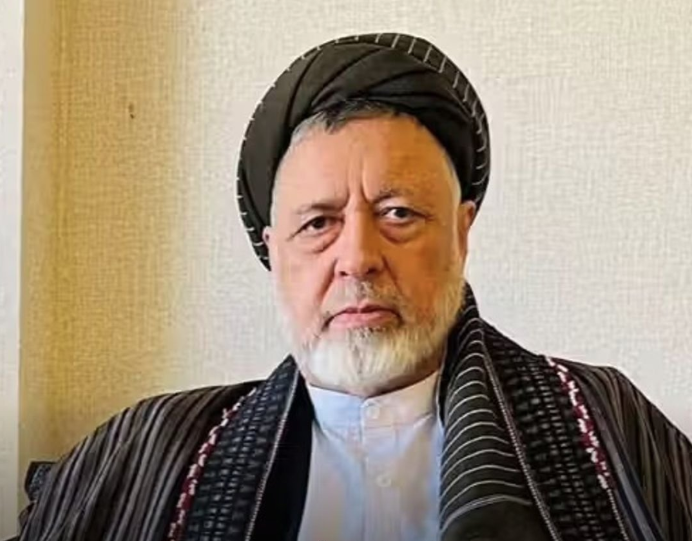
The Islamic Unity Party of the People of Afghanistan, led by Mohammad Mohaqeq, has strongly condemned what it describes as increasing pressure by the Taliban on Shia leaders and the closure of Shia religious and cultural centers in Kabul.
In a statement, the party characterized the Taliban’s actions as “illegal and discriminatory,” arguing that the measures demonstrate what it called the “desperation and helplessness” of the Taliban’s ruling system.
The party said Afghanistan’s history shows that authoritarian governments have frequently resorted to ethnic and religious discrimination when facing political decline. According to the statement, such policies have not helped those regimes maintain power but instead contributed to their eventual downfall.
The remarks come amid reports of Taliban actions against several Shia institutions and religious figures in Kabul, including the Khatam al-Nabiyyin complex. The developments have raised concerns among members of Afghanistan’s Shia community over restrictions on religious, cultural and social activities.
The Islamic Unity Party urged attention to what it considers discriminatory policies and warned that continued pressure on religious and ethnic communities could deepen divisions within Afghan society.
The Taliban has not, in the statement referenced, directly responded to the party’s characterization of its policies. The authorities have previously defended their actions as matters related to security, law and administration.
The latest statement adds to growing criticism from Afghan political figures and Shia representatives over the treatment of religious institutions and community leaders under Taliban rule.