

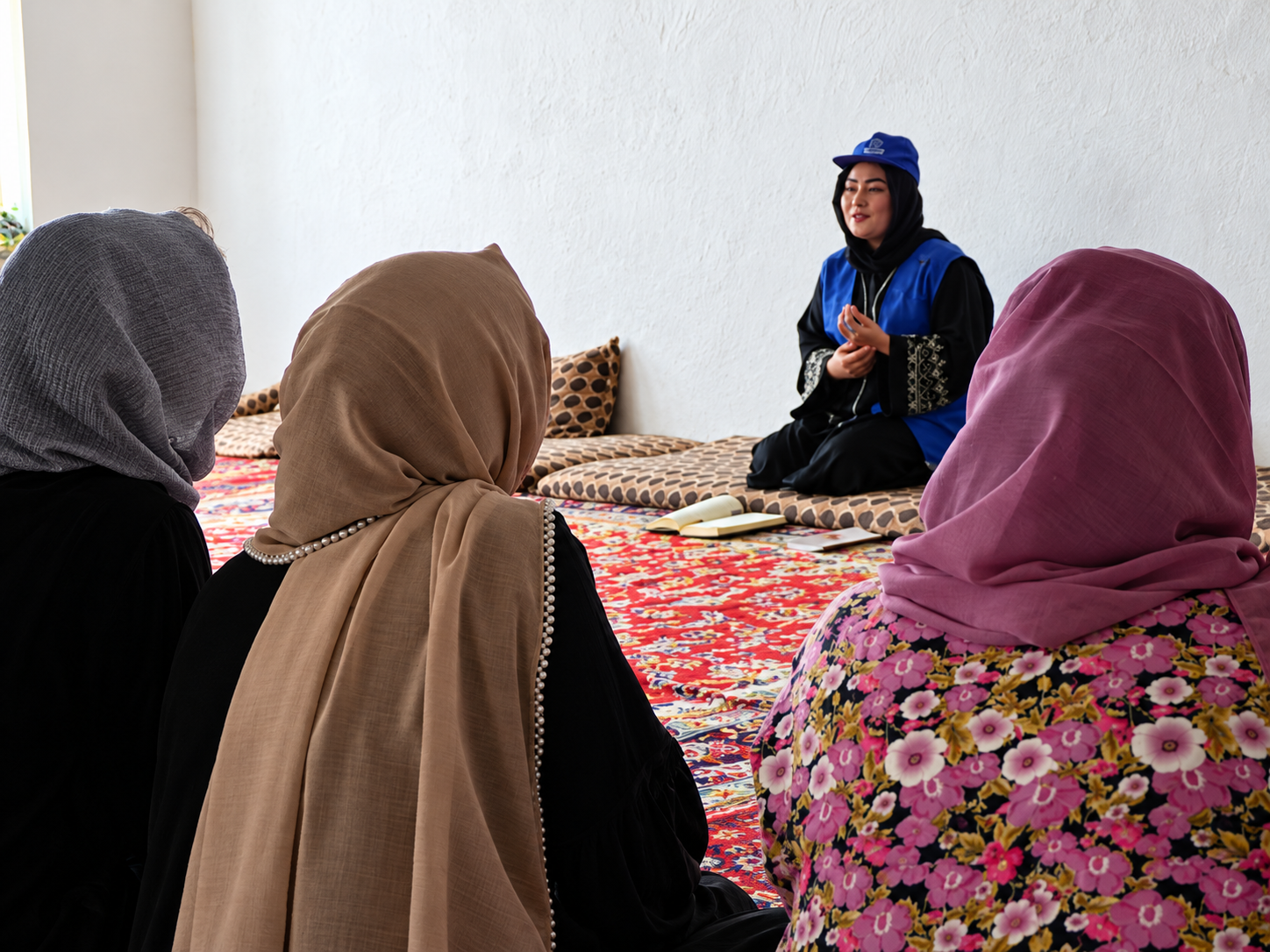
KABUL / PESHAWAR — Declining international aid has forced closures across women’s support services in Afghanistan and put women-led organizations at risk of shutting down, UN Women warned on November 25, the International Day for the Elimination of Violence Against Women, according to local sources.
Local sources cited Susan Ferguson, UN Women’s special representative for Afghanistan, saying economic hardship, humanitarian crises, and restrictions on women heighten violence risks while shrinking aid removes vital protection services. UN data cited in the warning indicates more than 193 support centers for survivors of violence have closed this year alone due to falling aid, affecting more than one million women and girls.
Key findings from UN Women’s warning and data
Local sources and UN figures highlight mounting funding pressures and service gaps facing Afghan women and girls:
- Support Center Closures: More than 193 centers serving survivors of violence in Afghanistan closed this year because of declining aid, affecting over one million women and girls.
- Threat to Women-Led Groups: Survey data showed nearly three-quarters of surveyed women-led organizations faced funding cuts in 2025, and half expect to suspend operations or close by April 2027.
- Projected Service Loss: Closures or suspensions projected by April 2027 could leave up to 427,000 women and girls without access to essential support services.
- Justice Access Gap: United Nations findings reported that women in Afghanistan access formal legal and judicial services at nearly one-quarter the rate of men.
Broader context of aid shortfalls and rights restrictions
Marking the start of the 16 Days of Activism Against Gender-Based Violence, UN Women urged international donors to expand backing for organizations aiding Afghan women amid overlapping economic strain, displacement, and movement, education, and employment curbs. When shelter, counseling, and legal pathways contract simultaneously, aid agencies warn survivors of abuse face heightened vulnerability with fewer avenues for safety or redress.