

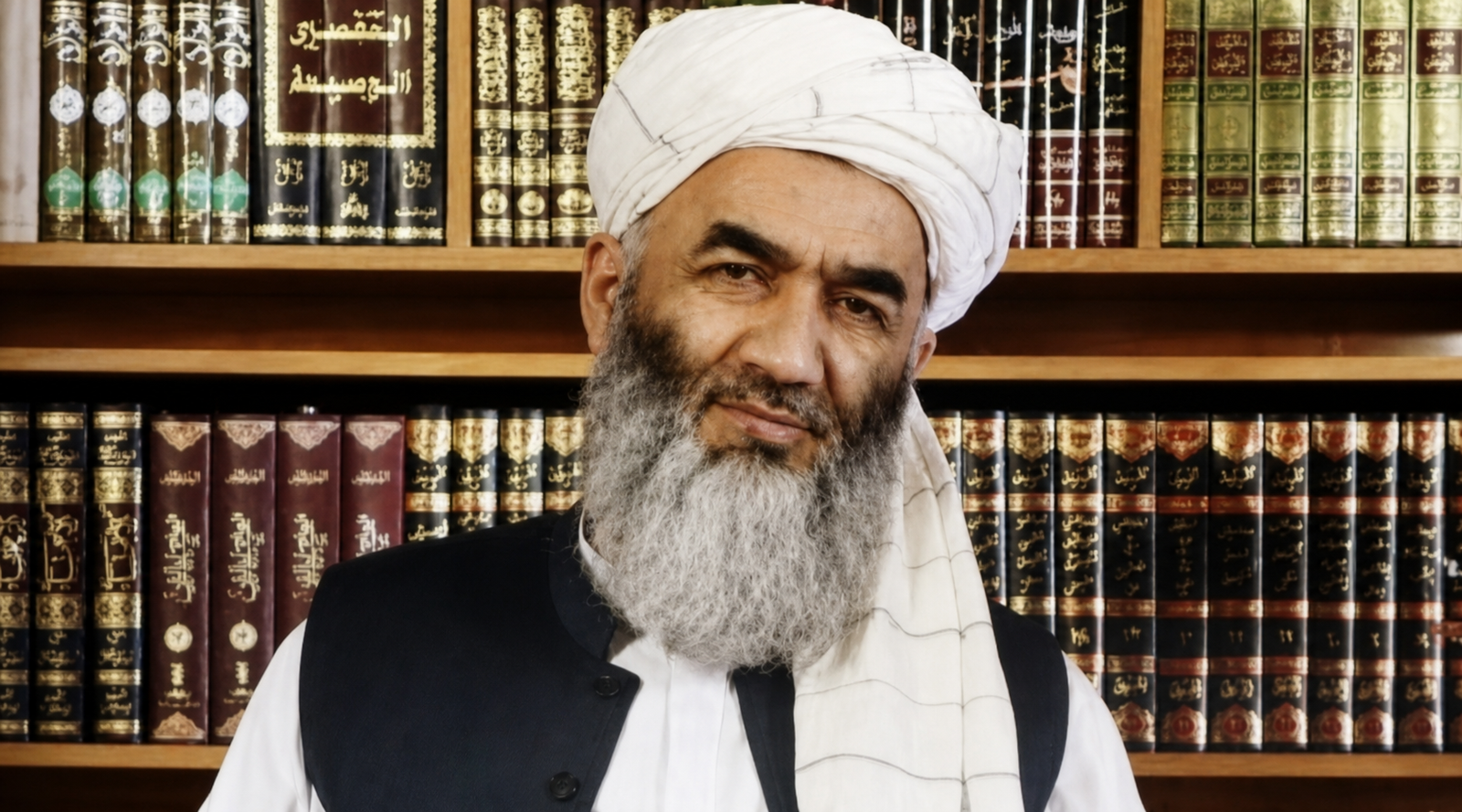
Maulvi Habibullah Hosam, head of the Supreme Council of Ulema for the National Resistance Front of Afghanistan (NRF), has sharply rebuked recent public statements made by senior Taliban figure Maulvi Shahabuddin Delawar regarding the status of women. Hosam accused the ruling administration of systematically favoring rigid Pashtunwali tribal traditions and ethnic customs over authentic Islamic jurisprudence derived from the Quran and Sunnah.
The condemnation follows remarks by Delawar—the current head of the Afghan Red Crescent Society and a former chief negotiator in Doha—who claimed that women’s rights were intentionally excluded from the 2020 Doha Agreement due to conservative Pashtun cultural sensitivities surrounding the public discussion of women. Hosam counter-argued that conflating localized patriarchal traditions with divine Islamic law misrepresents Islam, which explicitly guarantees women fundamental rights to education, dignity, and public participation.
Religious scholars and political analysts note that Hosam’s critique strikes at the core of the de facto administration’s ideological legitimacy. By framing gender-based restrictions as traditional custom rather than Islamic imperative, regime officials inadvertently confirm that their policy edicts reflect ethno-tribal dogma rather than universal religious consensus. This persistent conflation continues to alienate diverse ethnic groups and mainstream Islamic scholars across Afghanistan and the broader Muslim world.
For neighboring states, including Pakistan, the Taliban’s reliance on rigid tribal governance over structured, inclusive legal systems underscores long-term governance risks. A regime driven by insular tribal codes rather than institutionalized law perpetuates social division, fuels domestic discontent, and deepens ideological volatility across South Asia.
International Islamic organizations and human rights observers reiterate that genuine religious scholarship rejects the systemic erasure of women from public life. Restoring fundamental human rights and ending gender apartheid inside Afghanistan remain essential steps toward achieving domestic peace and international standing.