

In an unprecedented multilateral effort to enforce international human rights standards, Australia, Germany, Canada, and the Netherlands have launched formal legal proceedings against the de facto Taliban regime, invoking the International Court of Justice (ICJ) framework over systemic violations of women’s fundamental rights.
The joint diplomatic and legal action is anchored in the International Convention on the Elimination of All Forms of Discrimination Against Women (CEDAW). The coalition seeks to hold de facto authorities legally accountable for institutionalizing gender-based oppression, including sweeping prohibitions on secondary and higher education, bans on employment, strict public mobility restrictions, and the suppression of civil liberties.
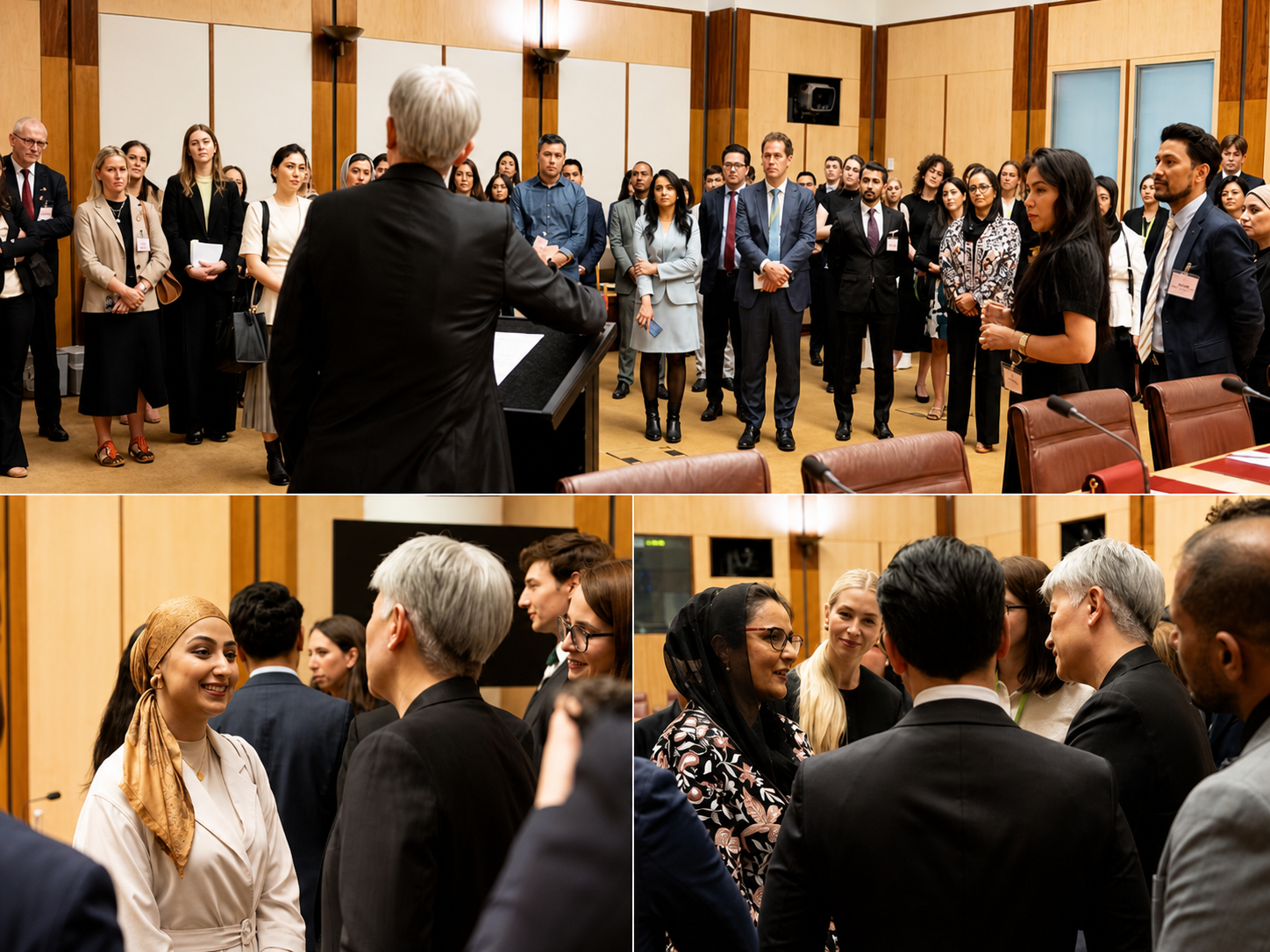
Australian Foreign Minister Penny Wong emphasized that the decision followed extensive consultative meetings with Afghan diaspora communities, exiled civil society leaders, and female activists. Wong reaffirmed that international legal pressure will intensify to challenge the regime’s decrees, stating that the global community will not allow the voices of Afghan women and girls to be silenced.
Under ICJ procedural requirements, the state-led coalition has formally initiated dispute-resolution protocols under CEDAW. Should the de facto authorities refuse arbitration or fail to comply with treaty obligations, the applicants will escalate the case to a full binding trial before the ICJ in The Hague. Legal scholars and human rights advocates view the suit as a landmark precedent to establish state responsibility for structural gender apartheid on the global stage.