

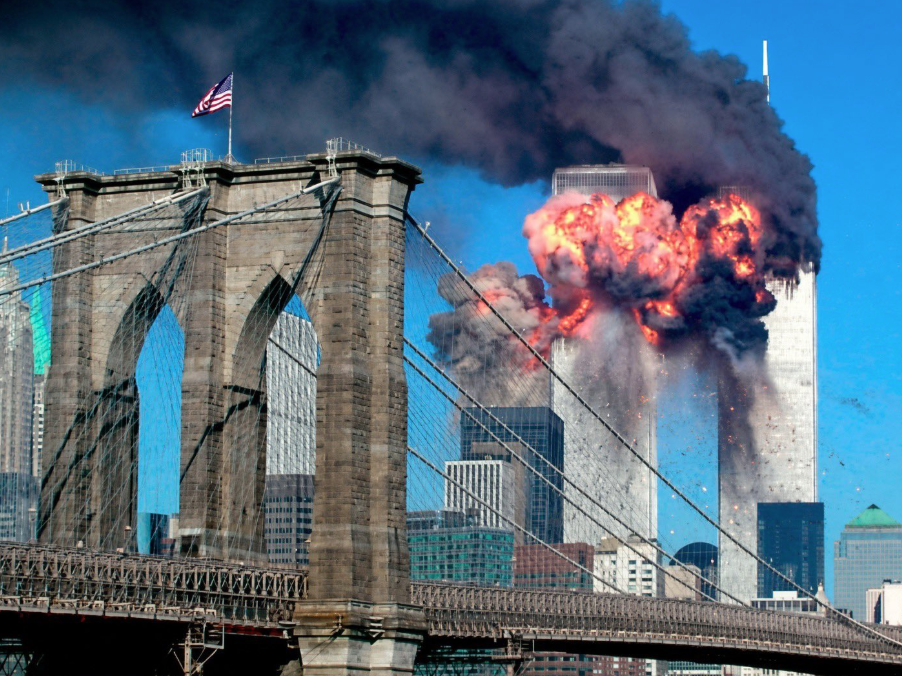
In an inflammatory and direct escalation of rhetoric, de facto administration minister Sadiqullah Nieazi, speaking to Afghan Times, has publicly warned that if Taliban Supreme Leader Haibatullah Akhundzada issues the order, the regime possesses the capability to execute another 9/11—asserting that such an operation would be even more dangerous than the 2001 attacks.
The provocative declaration shatters the carefully curated narrative of moderation that de facto spokespersons routinely project to international diplomats and regional trade partners, laying bare the unyielding extremist worldview harbored by hardline figures within the inner circle.
Repercussions for International Diplomacy and Security
Threats explicitly invoking 9/11 and targeting Western leadership deliver a severe blow to ongoing backchannel efforts by foreign mediators attempting to establish pragmatic working relations with Kabul:
- Shattering Diplomatic Assurances: While Kabul’s official diplomatic corps routinely assures foreign delegations that Afghan soil is strictly barred from being used against international security, Nieazi’s explicit boast exposes the deep chasm between diplomatic posturing and raw ideological reality.
- Justifying Western Hardline Stance: Intelligence agencies and foreign ministries across Washington and European capitals immediately seize upon such open threats to validate policies of non-recognition, strict asset freezes, and rigorous counter-terrorism containment.
- Appeasing Domestic Hardliners: Analysts note that unvarnished militant rhetoric is frequently deployed by regime figures to satisfy radical internal factions, signal unwavering loyalty to supreme leadership directives, and posture against Western pressure.
By openly brandishing the specter of 9/11 against the United States, de facto figures continually remind the global community of the unmitigated transnational security threats emanating from a governed yet ideologically radicalized Afghanistan.