

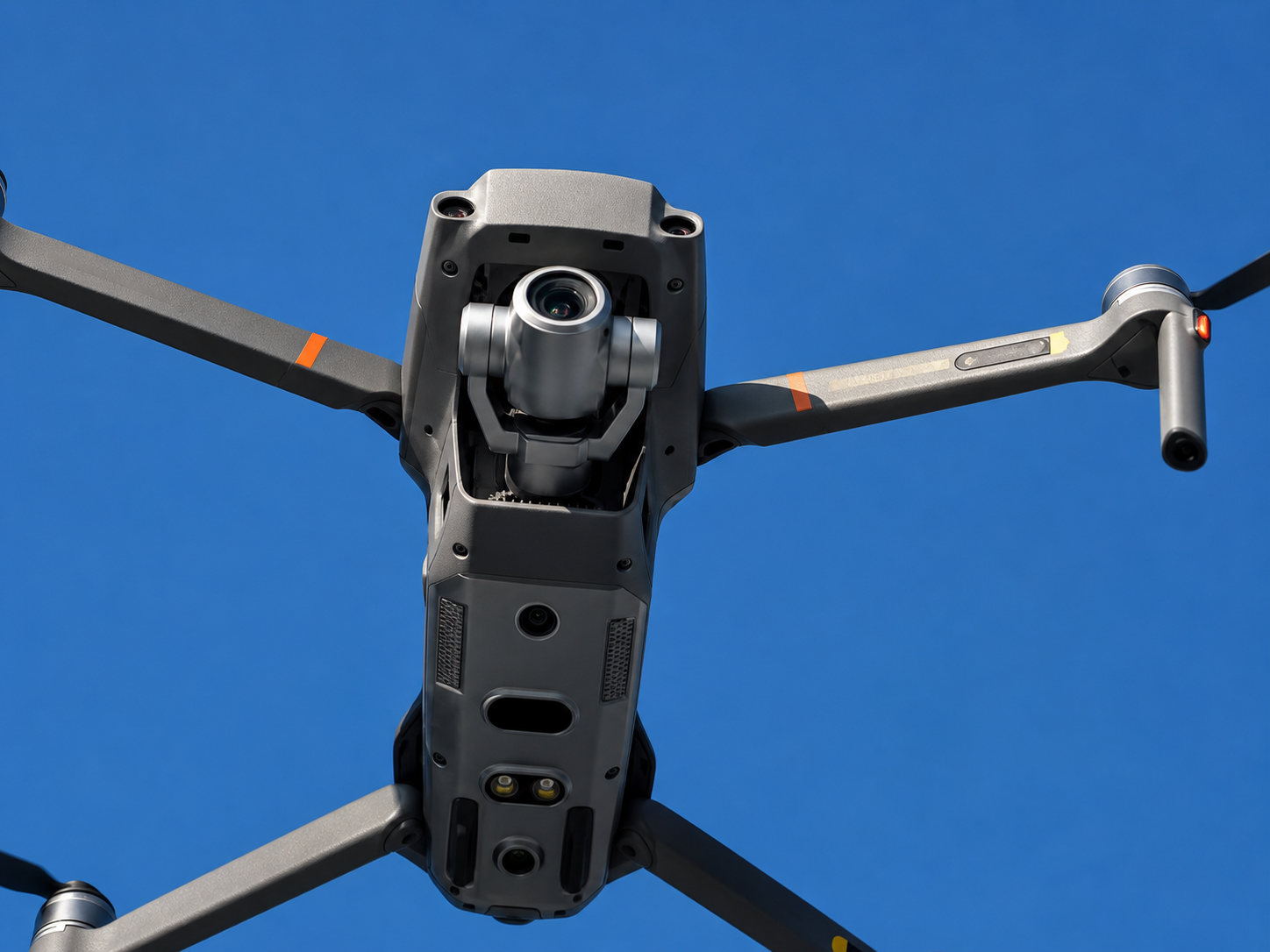
In an evolving phase of border security challenges, low-cost unmanned aerial vehicles (UAVs) have emerged as a significant tactic in cross-border clashes between Pakistani security forces and Afghan-based actors.
According to an investigative analysis by France 24, Islamabad reported intercepting at least 23 suicide drones entering Pakistani airspace from Afghanistan throughout September 2026. Interceptions recorded by Pakistani military units included multiple fixed-wing loitering munitions downed in Khyber Pakhtunkhwa province near strategic border corridors like the Torkham crossing and Kohat.
Technical evaluations of recovered debris reveal that many of these improvised kamikaze drones are assembled using commercial off-the-shelf components—such as single-piston DLE55 engines, polystyrene, or 3D-printed frames—enabling low-cost assembly while carrying 500 grams to one kilogram of explosive payloads.
The sharp increase in drone incursions highlights deepening regional instability following months of retaliatory artillery exchanges, border skirmishes, and air operations. While Islamabad has formally issued diplomatic notes protesting “provocative incursions” and targeting suspected militant bases, de facto authorities in Kabul continue to deny direct military involvement in drone strikes across the border. Security analysts warn that the proliferation of low-cost aerial technology poses severe operational risks to military outposts and civilian infrastructure across the region.