

Since returning to power, the Taliban has declared numerous properties, lands and settlements across Afghanistan as “Emirate” property, with residents and owners in some cases ordered to vacate the areas.
Critics are now questioning what they describe as the differing speed and intensity of these actions, particularly in cases involving Shiite religious and educational properties.
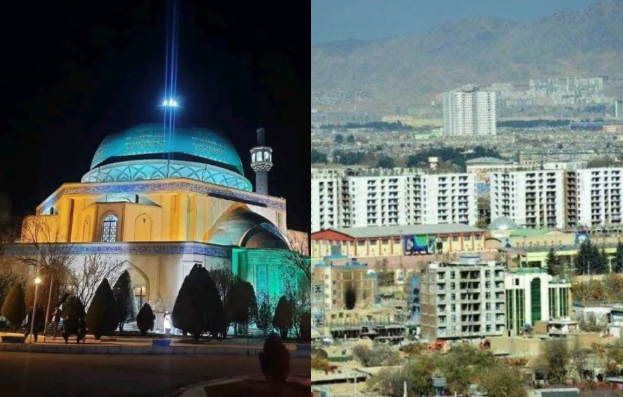
According to the information provided, Shirpur settlement is one example of the broader property dispute. The settlement covers approximately 400 jeribs of land, of which 155 jeribs have been declared “Emirate” property by the Taliban.
Critics argue that the Taliban has moved more quickly and forcefully against a religious school and a Shiite educational center than it has against Shirpur settlement. They point out that Shirpur was previously home to a number of high-ranking officials of Afghanistan’s former government.
The comparison has raised questions about whether property-related decisions are being applied consistently across different communities and locations. Critics say the treatment of Shiite institutions deserves particular scrutiny because religious and educational centers serve important roles for local communities.
The Taliban has previously undertaken a broader process of reviewing and reclaiming properties that it considers state-owned or belonging to the former government. Such actions have generated disputes with residents, property owners and institutions in different parts of Afghanistan.
Details regarding the legal basis for the specific Shirpur declarations, as well as the Taliban’s response to the criticism concerning the Shiite properties and educational centers, were not provided in the information available.