

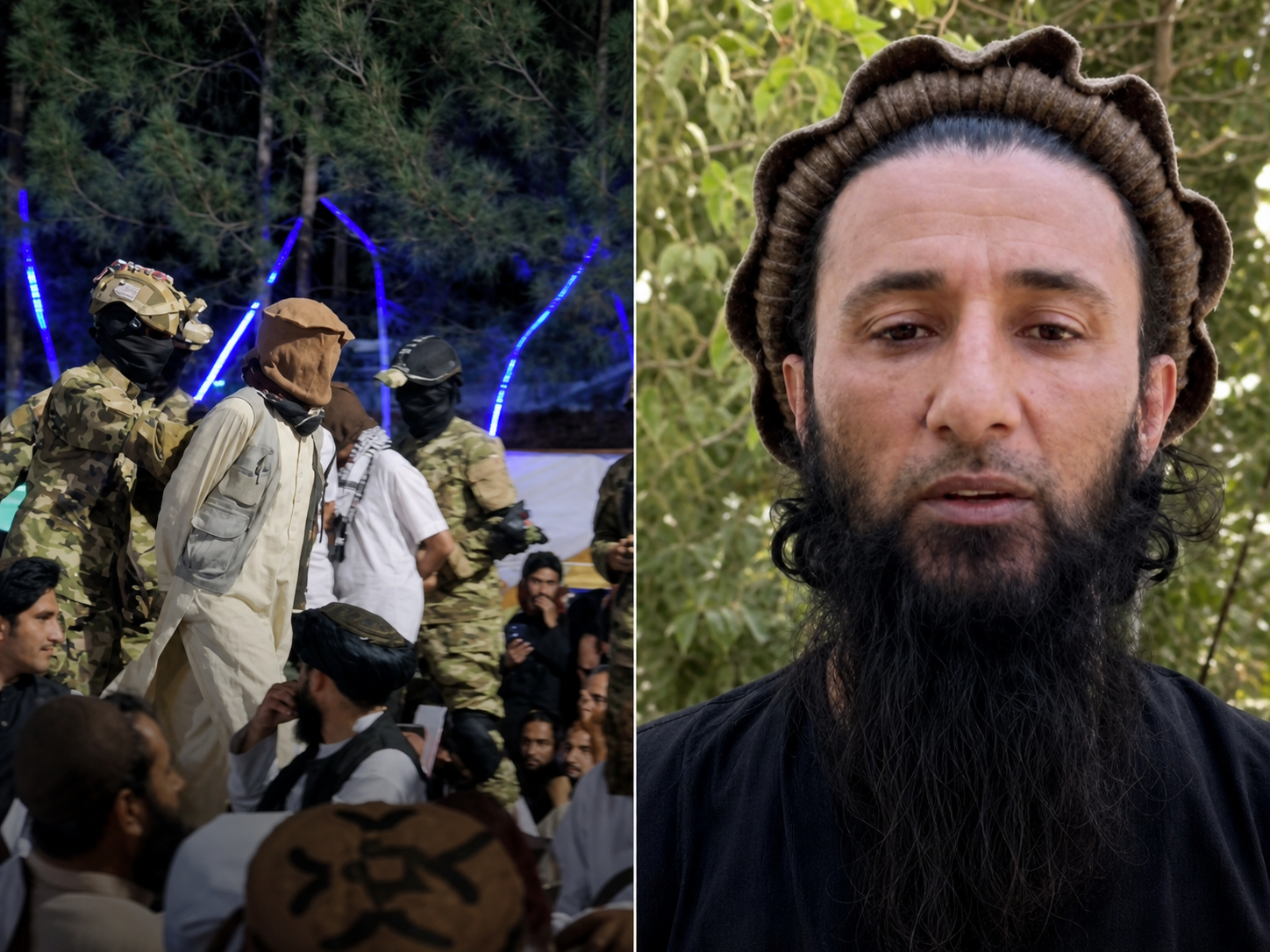
Internal tensions within the ruling apparatus in Afghanistan have broken into the open following the release of a controversial satirical video mocking Juma Khan Fatah, a former Taliban commander from Badakhshan. The production, created by Pashtun-origin elements in Khost province and performed before regional officials, portrayed the commander using local Badakhshan symbols in a derogatory manner. This provocative depiction has triggered widespread fury among social media users, civil activists, and even non-Pashtun members embedded within the regime.
The backlash quickly escalated when Ehsanullah Kamgar, spokesperson for the Taliban’s security command in Badakhshan, issued a sharp public reaction. Kamgar openly criticized the attitudes of certain factions within the administration, emphasizing that such insulting behavior targets the dignity and culture of the people of Badakhshan and the broader Tajik community. He asserted that cultural identity cannot be erased by prejudice, warning that the ambitions of mono-ethnic elements will ultimately fail.
This episode has laid bare the mounting friction and systematic marginalization experienced by non-Pashtun cadres operating under a rigid central authority. Observers note that deep-seated ethnic disparities and cultural disrespect are accelerating internal fractures within the ruling structure. As grievances multiply and mutual trust deteriorates, the internal cohesion of the regime faces profound challenges that could trigger broader political instability.